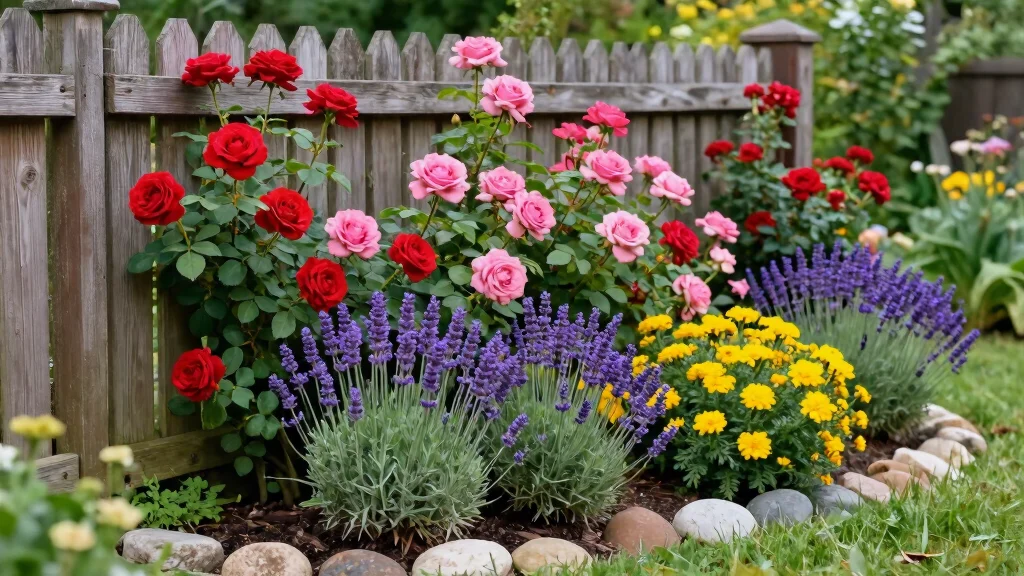
Creating a beautiful garden doesn’t have to be a huge project. Sometimes, all it takes is a little creativity to transform ordinary spaces into stunning garden features. If your yard has a plain fence that’s been standing there doing nothing, it’s time to consider a flower bed along the fence! These flower beds not only add color and character but also help define your outdoor space.
If you love gardening or want to improve your home’s curb appeal, this post is for you. Whether you’re an experienced gardener or just starting, you’ll find inspiration here. We’ve put together nine fantastic flower bed ideas that will take your fence from basic to beautiful. These suggestions are practical, visually appealing, and perfect for anyone looking to spice up their garden.
By the end of this article, you’ll have plenty of ideas to turn your fence into a vibrant garden feature. From climbing vines to colorful perennials, you’ll discover how to showcase your personality and creativity in your garden. Let’s turn that plain barrier into something spectacular!
Key Takeaways
– Flower beds along fences can dramatically improve the look of your yard while providing a space for vibrant plants.
– Climbing vines can create vertical interest, while colorful perennials ensure your garden blooms year-round.
– Container gardens bring versatility, allowing you to easily change arrangements and plant types.
– Whimsical wildflowers can add a natural charm, making your space feel more inviting and less formal.
– Consider combining herbs with flowers for a functional garden that enhances both beauty and utility.
1. Climbing Vines for Vertical Appeal

Looking to turn your fence into a lush focal point? Climbing vines are the perfect solution! They create stunning vertical displays, adding depth and color to your garden. Imagine fragrant blooms from wisteria, clematis, or honeysuckle cascading down your fence, creating a breathtaking backdrop.To get the best results, consider using trellises or obelisks for support. This helps guide your vines as they grow, ensuring they flourish beautifully. Here are some helpful tips for planting climbing vines:- Choose a variety of blooms to ensure color throughout the season.
– Space your plants adequately to prevent overcrowding and promote healthy growth.
– Regularly prune to encourage new growth and maintain shape.With a little effort, your once-plain fence will burst with life and color, creating inviting, shaded areas in your backyard.
Fact: A single climbing vine can add 2–3 feet of vertical color to your fence in a single growing season. With trellises guiding growth, you’ll achieve a lush, layered backdrop fast.
Climbing Vines for Vertical Appeal
Editor’s Choice

20+ Japanese Wisteria Purple Ornamental Vine Climber Seeds for Planting …


Natural Bamboo Trellis, 4Feet,3Pack,Fan-Shaped Plant Support Trellis for…

Garden Obelisk Trellis for Climbing Plants Outdoor 6 Ft Rose Bush Round …
2. Colorful Perennials for Year-Round Blooms
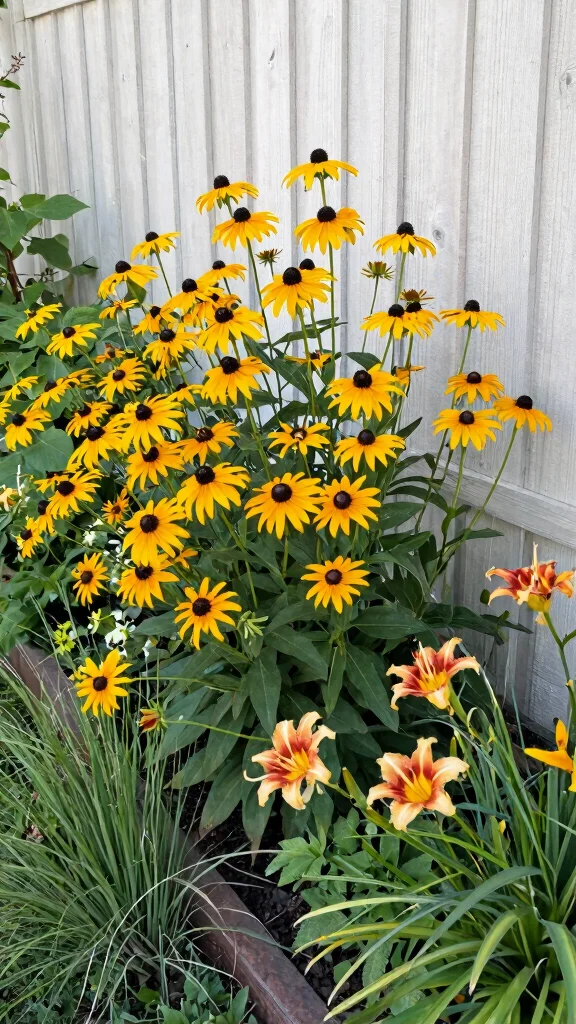
Want a vibrant flower bed that lasts? Incorporating perennials is a fantastic approach! These resilient plants return year after year, filling your garden with color and life. Mix different shapes and hues for interest throughout the seasons, ensuring a captivating display.Plants like black-eyed Susans, daylilies, and coneflowers attract pollinators, turning your garden into a lively ecosystem. Group them in clusters for a bold statement, or scatter them for a more natural feel. Consider these landscaping tips:- Place taller plants in the back and shorter ones up front for depth.
– Include flowers with different bloom times for continuous color.
– Add ornamental grasses for extra texture and movement.With smart selections, your fence will become a stunning showcase of nature’s beauty, full of charm and character.
Colorful Perennials for Year-Round Blooms
Editor’s Choice

Flower Seed Set – Flower Varieties of Non-GMO & Heirloom Premium Seeds f…

Miracle-Gro Potting Mix – For Container Plants, Flowers, Vegetables, Shr…

Garden Tools Set, 3 Pack Heavy Duty Gardening Tools Set Include Garden S…
3. Container Gardens for Versatile Arrangements

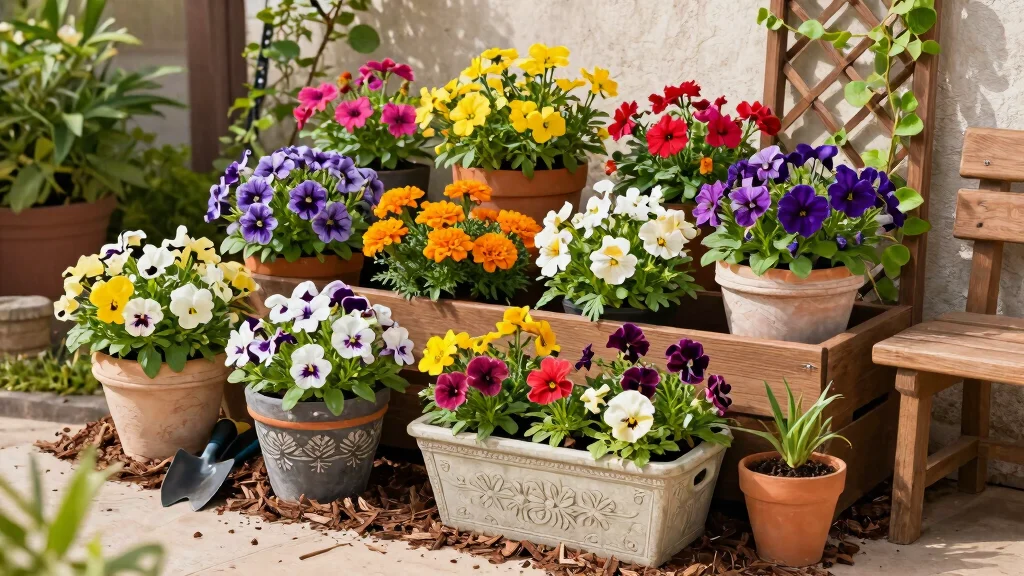
Limited space? Container gardening is your answer! Using planters along your fence can create visual interest and maximize your outdoor area. Choose vibrant pots or rustic wooden containers to enhance your garden’s look while providing flexibility.Select plants that thrive in containers like petunias, geraniums, and succulents. This method allows you to easily change arrangements based on the season or your personal style. Here are some tips for successful container gardening:- Ensure pots have drainage holes to prevent root rot.
– Combine annuals with perennials for a dynamic display.
– Regularly water and fertilize to keep plants healthy and flourishing.Container gardens not only beautify your fence but also let you express your unique style while maximizing limited space.
Container Gardens for Versatile Arrangements
Editor’s Choice

Yaheetech 8×2ft Wooden Horticulture Raised Garden Bed Divisible Elevate…

8/10/12 Inch Self Watering Pots for Indoor/Outdoor Plants – Large Plasti…

Gepege Ceramic Indoor Pots for Plants, Rainbow Pearl Glaze Planter with …
4. Whimsical Wildflowers for Natural Charm

Envision a flower bed that exudes a wild, carefree beauty. Planting wildflowers along your fence can create that enchanting atmosphere. By using a mix of native species, you’ll attract local wildlife while adding vibrant colors and delightful scents.Flowers like black-eyed Susans, California poppies, and lupines thrive with little maintenance, making them ideal for busy gardeners. Here are a few tips to ensure your wildflower garden thrives:- Mix various species for a diverse and ever-changing display.
– Use biodegradable seed mats for easy planting and even coverage.
– Allow flowers to grow freely for a more natural appearance.Your wildflower garden will transform your fence into a picturesque backdrop, inviting tranquility and a connection to nature.
Whimsical Wildflowers for Natural Charm
Editor’s Choice

Garden Tools Set, 3 Pack Heavy Duty Gardening Tools Set Include Garden S…

Burpee Wildflower 25,000 Bulk, 1 Bag, 18 Varieties of Non-GMO Flower See…
5. Decorative Fencing with Floral Accents

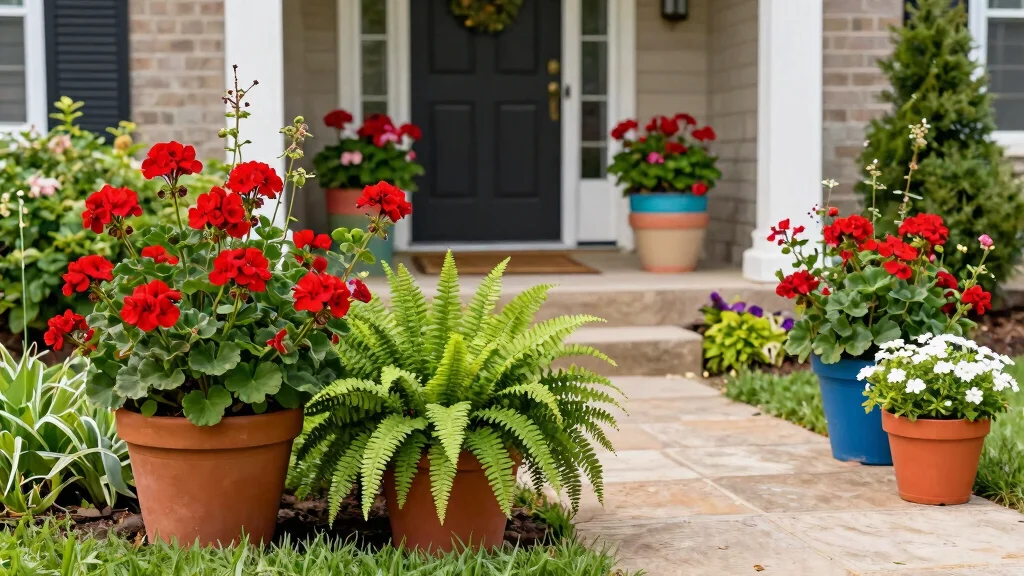
Want to make your fence stand out? Adding decorative elements can create a stunning visual impact! Consider lattice panels or wrought iron that seamlessly integrate flowers into the design. These structures enhance both functionality and aesthetics.Plant climbing roses or flowering vines near these features to elevate the overall look. Here’s how to make the most of your decorative fencing:- Use trellises to train climbing plants for beautiful focal points.
– Match flower colors to your fence style for a cohesive appearance.
– Add hanging baskets or wall-mounted planters for added dimension.Your decorative fencing can become a striking garden feature, beautifully showcasing flowers and enhancing your outdoor space.
You might also like
Decorative Fencing with Floral Accents
Editor’s Choice

Metal Garden Trellis for Climbing Plants,2 Packs Hummingbird Outdoor Dec…

Thealyn Metal Decorative Garden Fence 22″ Wide x 18″ High (5 Panels, Tot…

Peggy Martin Climbing Rose – 12-16″ Tall Live Plant – Gallon Pot – Fast …
6. Herb Gardens Alongside Flowers

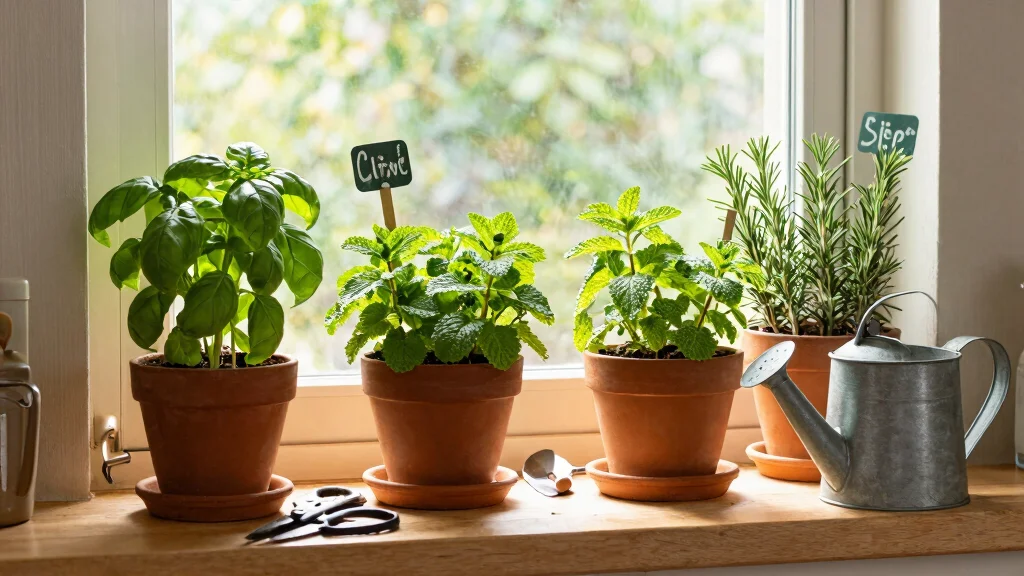
Why not combine beauty and practicality? Creating a flower bed alongside herbs offers both aesthetic appeal and culinary benefits. Imagine colorful blooms like zinnias or snapdragons mingling with fragrant herbs like basil, lavender, and rosemary.This combination not only beautifies your garden but also supplies fresh ingredients for your kitchen. Here are some tips for a thriving herb-flower garden:- Choose companion plants that thrive in similar conditions.
– Select herbs that flower, like chives and lavender, for added beauty.
– Regularly harvest herbs to promote growth and prevent woodiness.With thoughtful planning, your flower bed will serve dual purposes, providing both beauty and fresh flavors for your meals.
Fun fact: a flower bed along fence can boost pollinator visits by up to 40% while hosting herbs like basil and lavender. Plant colorful blooms with culinary herbs, and you get beauty and fresh ingredients in one tidy strip.
📹 Related Video: Building a DIY Mini Herb Garden Planter out of Fence Pickets!
Herb Gardens Alongside Flowers
Editor’s Choice

Grenebo Gardening Tools 9-Piece Heavy Duty Garden Hand Tools with Fashio…
Yaheetech 8×2ft Wooden Horticulture Raised Garden Bed Divisible Elevate…

Sereniseed Certified Organic Herb Seeds (10-Pack) – Non GMO, Heirloom …
7. Seasonal Displays for Dynamic Color

Keep your garden fresh and exciting by creating a flower bed that changes with the seasons. By selecting a range of seasonal flowers, your space can stay vibrant year-round. Think tulips in spring, sunflowers in summer, chrysanthemums in autumn, and pansies in winter.This ever-evolving landscape ensures something is always in bloom. Here are some tips for crafting seasonal displays:- Plan your planting schedule based on your local climate.
– Layer different heights and colors for visual interest.
– Add seasonal decorations to enhance your garden’s appeal during holidays.With careful planning, your fence will become a canvas, showcasing a vibrant palette that evolves throughout the year.
Fun fact: A flower bed along fence that changes with the seasons can bloom year-round with just four seasonal picks. Tulips in spring, sunflowers in summer, chrysanthemums in autumn, and pansies in winter keep your fence alive with color.
Seasonal Displays for Dynamic Color
Editor’s Choice


Gardening Moon Calendar, Perpetual Lunar Cycle Calendar for Gardeners, F…
8. Edible Flowers for a Unique Touch

Add a unique flair to your garden by incorporating edible flowers! Think nasturtiums, pansies, and violets that not only enhance beauty but also bring flavor to your dishes. Imagine a colorful garden inspiring culinary creativity and delight!These flowers thrive alongside traditional plants, boosting both aesthetics and functionality. Here are some tips for growing edible flowers:- Ensure flowers are grown organically to avoid harmful chemicals.
– Use them in salads or as garnishes for drinks and desserts.
– Educate visitors about which flowers are edible for adventurous eating.Integrating edible flowers creates a feast for the eyes and the palate, making your garden a delightful experience for everyone!
You Might Also Like

Edible Flowers for a Unique Touch
Editor’s Choice

Organic Plant Magic – Fast-Acting Water Soluble Plant Food – All-Purpose…

Seed Needs Edible Wildflower Seed Packet Collection (7 Varieties of Flow…
Yaheetech 8×2ft Wooden Horticulture Raised Garden Bed Divisible Elevate…
9. Drought-Tolerant Plants for Eco-Friendly Solutions

Looking to create an eco-friendly garden? Opting for drought-tolerant plants is an excellent choice! These resilient varieties require minimal water, making them ideal for low-maintenance landscaping. Consider using lavender, salvia, and sedum for a stunning, sustainable display.Drought-tolerant plants provide vibrant colors and textures while thriving in harsh conditions. Here are some tips for establishing a drought-friendly flower bed:- Use mulch to retain moisture and suppress weeds.
– Group plants with similar water needs for efficient irrigation.
– Choose native plants that adapt well to your climate for the best results.By incorporating drought-tolerant options, your garden becomes not only beautiful but also environmentally responsible, enhancing your flower bed along the fence.
How To Choose the Right Plants for a Flower Bed Along Your Fence
When it comes to creating a stunning flower bed along your fence, selecting the right plants is crucial. You’ll want a blend of colors, textures, and heights to add visual interest. Here’s how to make the best choices for your fence garden design.
1. Consider Sunlight Exposure
Different plants have varying sunlight requirements. Observe how much sun your flower bed receives throughout the day. Full sun plants need at least six hours of direct sunlight, while shade-tolerant plants thrive in less light. Choosing plants suited to your garden’s light conditions will greatly enhance their growth and blooms.
2. Evaluate Soil Quality
Healthy plants start with good soil. Conduct a soil test to check pH and nutrient levels. If your soil is too acidic or alkaline, you might need to amend it. Adding organic material like compost can improve drainage and fertility, supporting vibrant plant growth in your flower bed along the fence.
3. Choose the Right Height
Layering plants by height creates depth and interest in your flower bed. Place taller plants at the back of the bed and shorter ones in front. This arrangement allows all plants to be visible and makes maintenance easier. Consider plants that grow vertically, like climbing vines, to fill vertical space effectively.
4. Think About Seasonal Interest
To keep your flower bed visually appealing year-round, select a mix of perennials, annuals, and bulbs. Perennials provide long-lasting structure, while annuals can add seasonal bursts of color. Incorporating plants that bloom at different times ensures that your fence garden looks lively throughout the changing seasons.
5. Incorporate Edible Options
Adding edible flowers and herbs can enhance both the aesthetics and functionality of your flower bed. Plants like nasturtiums or lavender not only look beautiful but can also be used in cooking. This unique touch adds an eco-friendly aspect to your gardening, making it both beautiful and practical.
6. Plan for Maintenance
Consider how much time you can dedicate to garden upkeep. Some plants require more care than others, such as regular pruning or watering. Choose low-maintenance plants if you have a busy schedule. Drought-tolerant plants are also a great option, especially in areas with water restrictions, allowing you to create a stunning flower bed without excessive effort.
Pro Tip: Before planting, sketch your flower bed layout. Include the position of each plant based on their height and sunlight needs for a well-organized garden that makes the most of your space. This simple step can save you time and effort in the long run!
Drought-Tolerant Plants for Eco-Friendly Solutions
Editor’s Choice

Back to the Roots 25.7qt (1 Cubic ft) Organic Premium Mulch

SVI 1000 Blue Sage Seeds for Planting (Salvia farinacea) – Heirloom Sage…
Conclusion
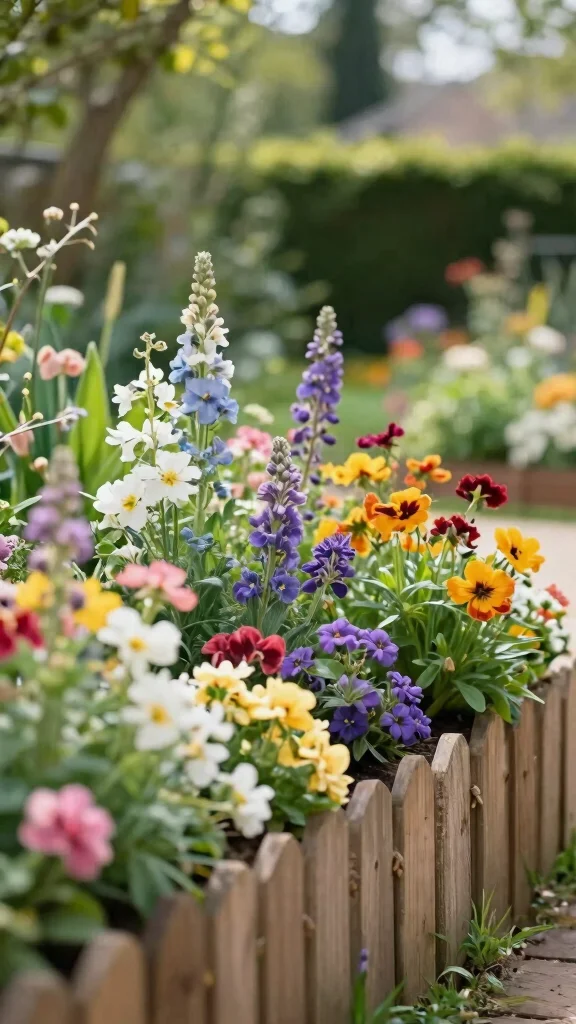
Creating a flower bed along your fence can dramatically transform your garden space into a picturesque retreat. With these nine ideas, you can add color, texture, and even functionality to your outdoor area. Whether you prefer the charm of wildflowers or the sophistication of climbing vines, there’s a perfect option for everyone!
Embrace your creativity and let your fence reflect your gardening style, turning a simple barrier into a stunning garden feature that brings joy and beauty to your home.
Note: We aim to provide accurate product links, but some may occasionally expire or become unavailable. If this happens, please search directly on Amazon for the product or a suitable alternative.
This post contains Amazon affiliate links, meaning we may earn a small commission if you purchase through our links, at no extra cost to you.
Frequently Asked Questions
What’s the simplest way to start a flower bed along fence with vertical gardening?
Starting a flower bed along fence with vertical gardening can be quick and satisfying. Begin with a simple plan: measure the available length, note sun exposure, and decide how tall you want your vertical elements.
Install lightweight vertical supports like lattice panels, trellises, or stacked wall planters along the fence line. Choose compact or trailing plants that suit your sun conditions, then fill with quality potting mix and good drainage.
Place planters at different heights to create depth and make sure irrigation is easy. Garden tip: keep a color loop by repeating a couple of theme colors across the length for a cohesive fence garden design.
Which plants are best for a flower bed along fence to keep color all season?
Best plants for a flower bed along fence depend on sun. For sunny spots, try sun-loving perennials and annuals: daylilies, salvias, lantanas, and trailing ivy geraniums on vertical holders.
For shade, opt for hostas, ferns, and heucheras in hanging pocket planters. Mix evergreen foliage for winter structure with seasonal blooms for color.
Use native species when possible for easier maintenance. Landscaping tips: group plants with similar water needs and mulch to suppress weeds.
How can I design a fence garden along a fence that looks decorative and makes the most of vertical gardening?
Designing a decorative fence garden design along your fence is about balance and repetition. Choose a decorative fencing style that complements your house and plant palette.
Use several vertical elements at staggered heights to avoid a flat look, then repeat color accents every few feet for rhythm. Include a focal plant or a taller climber at one end to draw the eye. For non-plant accents, add weatherproof sculptures or solar lights to enhance the fence garden design after dark.
What maintenance tips keep a flower bed along fence healthy and tidy year-round?
Maintenance tips to keep a flower bed along fence thriving: water consistently, especially in hot periods; use a layer of mulch to conserve moisture.
Prune and deadhead regularly to encourage new growth; rotate annuals or replace tired perennials each season; check irrigation lines and fix leaks quickly. Keep weed-free by mulching and occasional hand weeding. Replace damaged containers and protect planters from wind.
What decorative fencing options work well with flower bed ideas along fences?
Decorative fencing options that work with flower bed ideas along fences include lattice panels, wood slats, and metal decorative screens. Lattice is perfect for vertical gardening since climbing plants can cling to it.
Choose colors and materials that match existing fencing and outdoor furniture to create a cohesive look. For extra privacy and drama, combine decorative fencing with tall trellises and planter boxes, which supports vertical gardening and adds depth to your flower bed along fence.
Related Topics
flower bed along fence
fence garden design
vertical gardening
landscaping tips
decorative fencing
easy garden projects
colorful blooms
seasonal flowers
beginner friendly
outdoor aesthetics
garden layout ideas
DIY flower beds