
Gardening has me dreaming of fresh blooms and sunny days spent outside. There’s something special about digging into the earth, planting vibrant colors, and watching your efforts come to life. Yet, many of us struggle to create outdoor spaces that we truly want to enjoy. If you’re someone who loves to garden but often finds your flower beds uninspiring, this post is for you.
I’ve gathered nine unique flower garden bed ideas that are not only visually stunning but also practical. Each concept will help you transform your outdoor space into a floral retreat where you’ll actually want to spend time. From vertical garden beds that save space to whimsical cottage-style designs, you’ll discover a range of options that will reignite your passion for gardening and outdoor living. Get ready to dive into creative designs, learn about seasonal flowers, and explore plant combinations that bring your garden layout to life.
As you read on, you’ll find inspiration and tips that will make your flower garden a welcoming haven. Whether you’re a novice gardener or a seasoned green thumb, these ideas will help you cultivate a beautiful outdoor space that beckons you to relax, reflect, and enjoy the beauty of nature.
Key Takeaways
– Discover nine creative flower garden bed ideas that can enhance your outdoor space and encourage you to spend more time outside.
– Explore vertical flower garden beds that help save space and create a stunning focal point in smaller yards or patios.
– Learn about raised flower beds that offer easy maintenance while adding visual appeal to your garden layout.
– Find out how seasonal flowers can be combined to create a dynamic garden that changes throughout the year, keeping your space fresh and engaging.
– Get tips on creating outdoor living spaces that invite relaxation, making your garden not just a place to plant but a place to unwind and enjoy nature.
1. Vertical Flower Garden Beds: Space-Saving Beauty
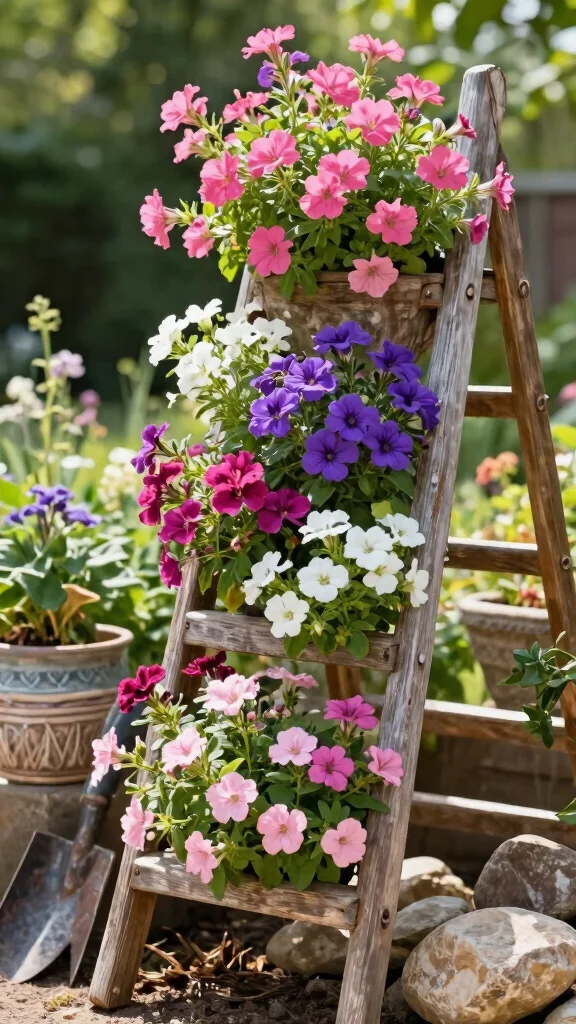
If you’re short on space but still crave vibrant blooms, vertical flower garden beds are the answer. These creative structures let you grow flowers upwards, turning any small area into a lush oasis. Think about using materials like wooden pallets, trellises, or even old ladders for a unique touch. Choose cascading flowers like petunias or trailing pansies to create a stunning waterfall effect that draws the eye.
Start by selecting a sturdy frame for support and consider mixing in herbs or strawberries for added charm. This combination not only beautifies your space but also maximizes sunlight and drainage, making it perfect for all gardening levels.
Key features to consider:
– Use sturdy materials like wooden pallets or trellises for support
– Choose cascading flowers for a dramatic effect
– Mix in edible plants like herbs or strawberries
– Ensure proper sunlight exposure for all plants
Vertical beds transform tight spaces into vibrant displays. You’ll enjoy a beautiful garden even in the smallest of yards.
Fun fact: Vertical flower garden beds can grow 2–3 times more blooms in the same space, turning tiny balconies into lush centers of color. With pallets, trellises, or ladders, you can embrace flower garden bed ideas that save space and boost curb appeal.
Vertical Flower Garden Beds: Space-Saving Beauty
Editor’s Choice

Metal Garden Trellis for Climbing Plants,2 Packs Hummingbird Outdoor Dec…


Foxlang 8x4x1ft(2 PCS) Galvanized Raised Garden Bed,Outdoor Planter Box …
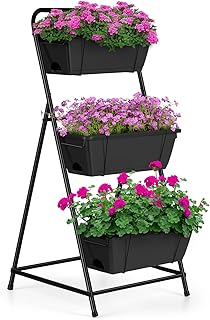
Raised Garden Bed 3 Tier Vertical Garden Planter Elevated Planter Boxes …
2. Raised Flower Beds: Easy Maintenance and Gorgeous Aesthetics
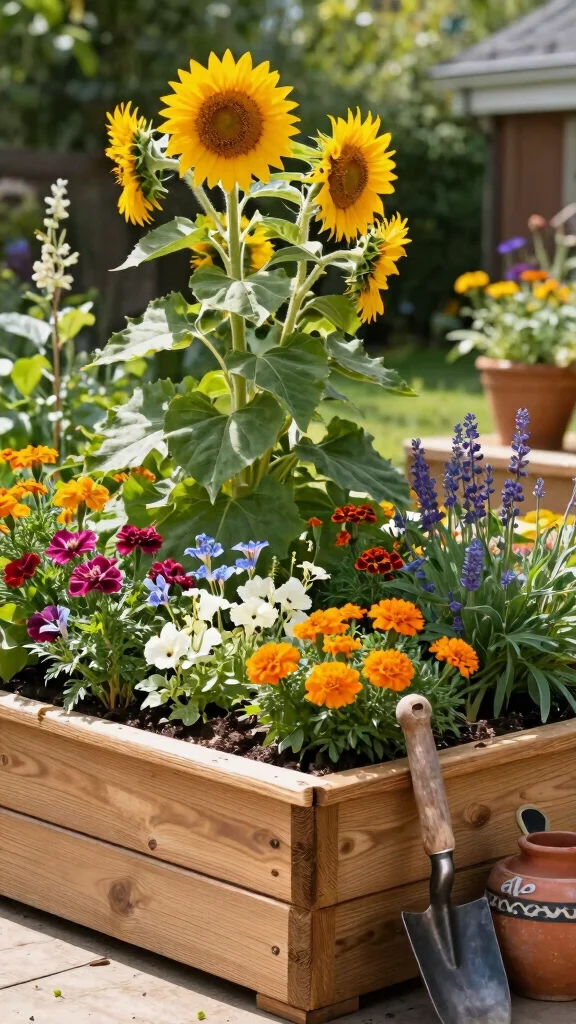
Raised flower beds are a gardener’s dream, offering stunning aesthetics without the back-breaking work. These elevated structures provide excellent drainage and soil quality, perfect for vibrant seasonal flowers. Consider using cedar wood or reclaimed materials to create a natural look that enhances your outdoor space.
When planning your garden, mix tall sunflowers with shorter marigolds for a striking visual impact. Raised beds also minimize bending, making gardening more accessible and enjoyable for everyone.
Tips for creating your raised bed:
– Use nutrient-rich soil for healthy blooms
– Select flowers that bloom at different times for continuous color
– Add mulch to retain moisture and suppress weeds
– Consider incorporating edible plants for added interest
Raised beds simplify maintenance and provide endless beauty. Enjoy a colorful garden that flourishes with minimal effort.
Raised Flower Beds: Easy Maintenance and Gorgeo…
Editor’s Choice

Espoma Organic Raised Bed Mix – All Natural and Organic Potting Soil Mix…
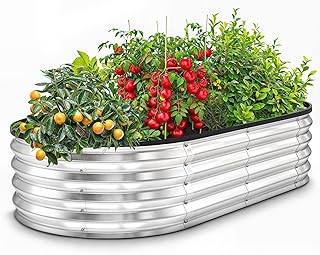
Utopia Home Galvanized Raised Garden Bed Kit 4x2x1ft, Planter Box Raised…

Garden Tools Set, 3 Pack Heavy Duty Gardening Tools Set Include Garden S…
3. Container Flower Gardens: Versatile and Mobile

If you love flexibility in your garden, container flower gardens are the perfect solution. These arrangements let you mix and match colors and textures using various containers, from classic terracotta pots to quirky repurposed items. You can easily rearrange them to suit your space and lighting needs, keeping your garden fresh and dynamic.
Select seasonal flowers like geraniums or petunias that thrive in pots and create a stunning display throughout the year. Grouping containers of different heights adds depth, while a cohesive color scheme ties everything together.
Get started with these ideas:
– Choose seasonal blooms for year-round color
– Use trailing plants for a lush look
– Mix in herbs or vegetables for an edible garden
– Arrange containers in varying heights for visual interest
Container gardens allow you to enjoy gardening without commitment. Let your creativity flow as you design a beautiful and flavorful display.
Key Trade-offs & Our Top Pick
Option 1: Vertical Flower Garden Beds
– Pros:
– Space-saving design ideal for small yards or balconies.
– Provides a stunning visual appeal with layers of blooms.
– Easy to maintain and reach without bending over.
– Cons:
– May require more initial setup costs for materials like wood and soil.
– Limited to specific plant types that thrive in vertical arrangements.
– Needs a sturdy structure to support the weight of the plants.
– Best for: Small outdoor spaces or urban gardens where floor space is limited.
Option 2: Raised Flower Beds
– Pros:
– Excellent drainage and soil quality control, leading to healthier plants.
– Reduces strain on your back since you don’t have to bend down as low.
– Can be customized to any height and shape to fit your garden layout.
– Cons:
– Higher initial cost compared to traditional flower beds.
– Requires maintenance of the structure itself, such as staining or sealing wood.
– Limited planting depth may restrict root growth for some plants.
– Best for: Gardeners who want easy access and better soil management.
Option 3: Container Flower Gardens
– Pros:
– Highly versatile; you can move them around to change the look of your space.
– Perfect for renters or those with limited ground space.
– Can use various materials and colors to match your outdoor decor.
– Cons:
– Requires regular watering since containers tend to dry out faster.
– Limited soil volume can affect plant growth and health.
– Some containers may be heavy and difficult to move once planted.
– Best for: Those looking for flexibility and creative planting options.
Option 4: Cottage-style Flower Beds
– Pros:
– Creates a charming, whimsical atmosphere in your garden.
– Encourages a variety of seasonal flowers for continuous blooms.
– Can be easily integrated with existing landscapes or structures.
– Cons:
– Maintenance can be labor-intensive due to the variety of plants.
– Requires planning to ensure plants bloom throughout the seasons.
– Some flowers may attract pests that can harm others.
– Best for: Gardeners who love an informal look and enjoy seasonal changes in their garden.
Option 5: Pollinator-friendly Garden Beds
– Pros:
– Attracts bees and butterflies, helping your garden thrive.
– Supports local ecosystems and promotes biodiversity.
– Offers educational opportunities about nature for kids and adults.
– Cons:
– May require specific flower combinations to attract desired pollinators.
– Some flowering plants may not suit all climates or soils.
– Can be challenging to maintain without the use of pesticides.
– Best for: Eco-conscious gardeners wanting to support pollinator populations.
Expert Recommendation:
Best Overall: Raised Flower Beds
Raised flower beds are our top choice for most gardeners. They offer a great balance of ease and beauty. You can customize them to fit your space, and they require less bending, making gardening more enjoyable. The enhanced drainage helps your plants thrive, ensuring long-term success in your outdoor living spaces.
Why We Picked This:
Each option has its strengths and weaknesses, catering to different needs. Vertical flower beds are fantastic for those short on space, while container gardens provide flexibility. Cottage-style beds offer a whimsical touch, and pollinator gardens foster ecological health. Choose based on your specific gardening goals and lifestyle!
Container Flower Gardens: Versatile and Mobile
Editor’s Choice

DeeCoo 3 Piece Ceramic Plant pots Indoor Pots Set with Drainage Holes, 5…

Orceler 4 Inch Terracotta Pots with Saucer – 6 Pack Small Clay Plant Pot…

Miracle-Gro Potting Mix – For Container Plants, Flowers, Vegetables, Shr…
4. Cottage-style Flower Beds: A Whimsical Touch
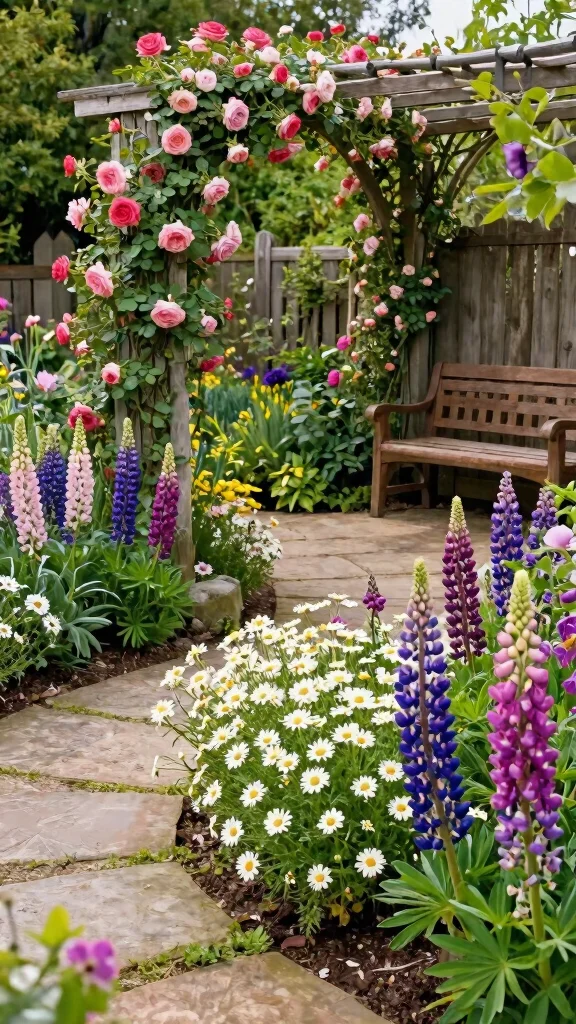
Cottage-style flower beds are all about charm and nostalgia, creating a delightful escape in your yard. This style embraces a relaxed, natural look with a colorful mix of flowers, herbs, and perennials. Picture vibrant borders filled with daisies and foxgloves, all intermingling to evoke a wildflower atmosphere.
Add paths of stepping stones or pebbles to guide visitors through your whimsical space. Allow plants to spill and intertwine, enhancing the natural feel of your garden.
To create this enchanting look:
– Choose seasonal blooms like daisies and lupines
– Incorporate pathways made of stones or pebbles
– Add rustic elements like trellises or a bench
– Mix in herbs for fragrance and variety
Cottage-style beds invite relaxation and enjoyment. Transform your garden into a cozy haven that encourages leisurely afternoons among the flowers.
📹 Related Video: Cottage Garden Design Masterclass – Structure
Cottage-style Flower Beds: A Whimsical Touch
Editor’s Choice

Grenebo Gardening Tools 9-Piece Heavy Duty Garden Hand Tools with Fashio…

COOLJOB 2 Pairs Gardening Gloves for Women Ladies, Breathable Rubber Coa…

FLINTER Garden Kneeler and Seat, 10.2″ Wider Heavy Duty Thick Gardening …
5. Pollinator-friendly Garden Beds: Nature’s Attraction
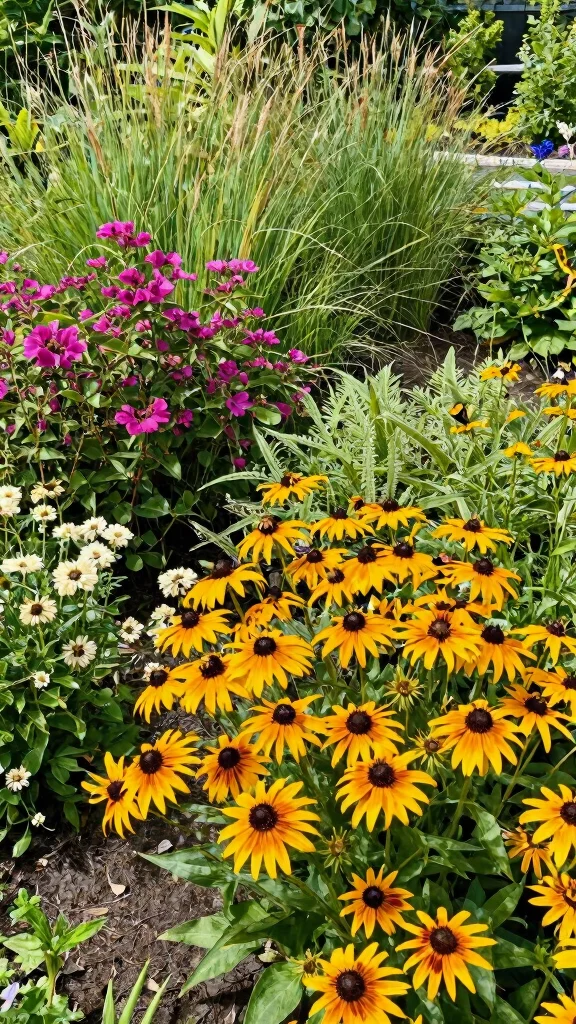
Creating a garden that attracts pollinators is a rewarding way to support nature and enjoy a thriving landscape. Choose native flowers that provide nectar and habitats for bees, butterflies, and hummingbirds. Seasonal options like coneflowers and black-eyed Susans are excellent for bringing these essential creatures to your garden.
When designing your layout, incorporate a variety of flower shapes and colors to create a buffet that draws in pollinators. Clustering flowers helps make food sources easily accessible for buzzing visitors.
Enhance your garden with these elements:
– Select native flowers known for attracting pollinators
– Create flower clusters for easy access
– Add grasses or shrubs for shelter
– Choose a diverse range of colors and shapes for visual appeal
Your pollinator-friendly garden will burst with life and color while playing a crucial role in supporting the local ecosystem. Enjoy the beauty and activity that comes with it!
You might also like
Pollinator-friendly Garden Beds: Nature’s Att…
Editor’s Choice

Wildflower Seeds Bulk Mix – 10,000+ Perennial & Annual Seeds – Texas, Ca…
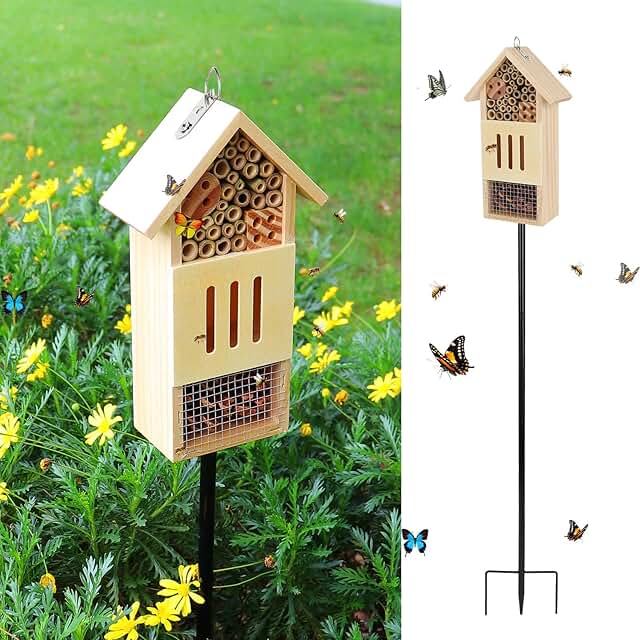
Wooden Insect House, Bee House with Metal Stake for Garden, Natural Ladb…
6. Zen-inspired Flower Beds: Serenity in Bloom

For a tranquil outdoor retreat, look to Zen-inspired flower beds that focus on simplicity and balance. By selecting a few seasonal flowers like lavender or white roses, you can create a calming atmosphere that promotes relaxation. Incorporate natural elements such as stones or gravel pathways to enhance the serene layout.
Adding small water features or decorative rocks can further enrich the peaceful environment. Include benches in your design to provide spots for quiet reflection and enjoyment of your blooming space.
To create your Zen garden:
– Choose minimalist flower arrangements for a calming effect
– Incorporate natural elements like stones or gravel
– Add water features for tranquility
– Include seating areas for contemplation
A Zen-inspired garden fosters a strong connection with nature. Embrace this peaceful space for mindfulness and mental clarity in your daily life.
Zen-inspired Flower Beds: Serenity in Bloom
Editor’s Choice

ZOOFOX 10lb Natural Rocks Stones, Small Washed Gravel for Terrariums, Su…

Live Lavender 2-Pack – Purple – Fragrant Sun Perennial Herb, Pollina…

Outvita Wooden Garden Bench, Outdoor Wood Patio Bench, Rustic Two Person…
7. Edible Flower Beds: The Taste of Beauty

Combine the beauty of flowers with culinary delight by creating edible flower beds. Grow seasonal blooms like nasturtiums or marigolds that are not only stunning but also safe to eat! This unique approach enhances both your garden’s visual appeal and your culinary creations.
Planting flowers alongside vegetables or herbs offers a colorful and tasty garden experience. These edible blooms can elevate your salads, desserts, and cocktails, adding a delightful twist to your dishes.
To start your edible garden:
– Choose edible flowers like nasturtiums and pansies
– Plant alongside vegetables or herbs for variety
– Use blooms to enhance dishes creatively
– Experiment with flavors and colors in your garden
Edible flower beds merge gardening and cooking beautifully. Enjoy the vibrant colors and flavors in both your garden and your kitchen!
Edible Flower Beds: The Taste of Beauty
Editor’s Choice

NOW Foods, Certified Organic Sunflower Seeds, Raw and Unsalted, Source o…

Espoma Organic Flower-Tone 3-4-5 Natural & Organic Plant Food; 4 lb. Bag…
8. Shade Flower Beds: Beauty in Low Light

Not every garden basks in sunlight, and shade flower beds offer a chance to create beauty in lower light areas. Plant seasonal flowers like hostas and astilbes that thrive in the shade, adding lush greenery and color to those dim corners.
Mixing different plant heights and foliage textures will create visual interest in your shady spaces. Darker flower shades can stand out beautifully against rich green foliage, making your shade garden shine.
Consider these ideas for your shade garden:
– Select shade-tolerant flowers like hostas and ferns
– Vary plant heights for depth and interest
– Use decorative features like benches or sculptures
– Create inviting spots for relaxation
Embrace the enchantment of shade with a garden that thrives in unique conditions. Discover the beauty that can flourish in these special spaces!
Fun fact: Shade beds can burst with color even in low light. Hostas and astilbes thrive in as little as 2–4 hours of filtered sun, while mixing textures keeps the space vibrant and inviting.
You Might Also Like

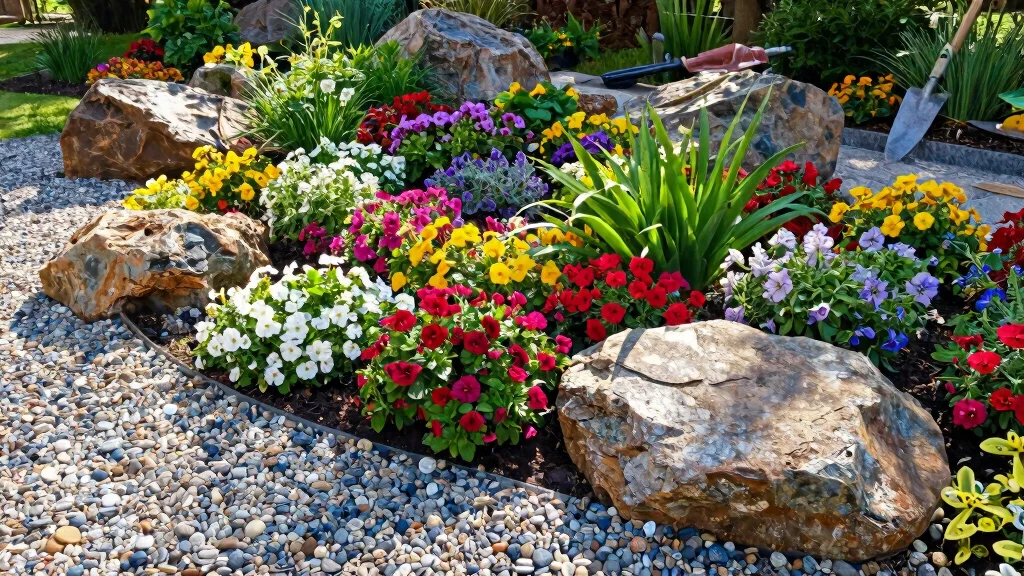
Shade Flower Beds: Beauty in Low Light
Editor’s Choice
Miracle-Gro Potting Mix – For Container Plants, Flowers, Vegetables, Shr…
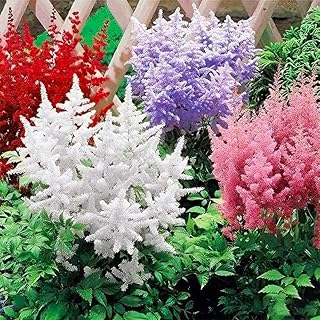
1100+ Mix Astilbe Arendsii Bunter Seeds for Planting-Non-GMO Heirloom Pl…

185+ Mixed Color Hosta Seeds for Planting Outdoors- Shade/Cold Tolerant …
9. Seasonal Themes: A Garden That Transforms
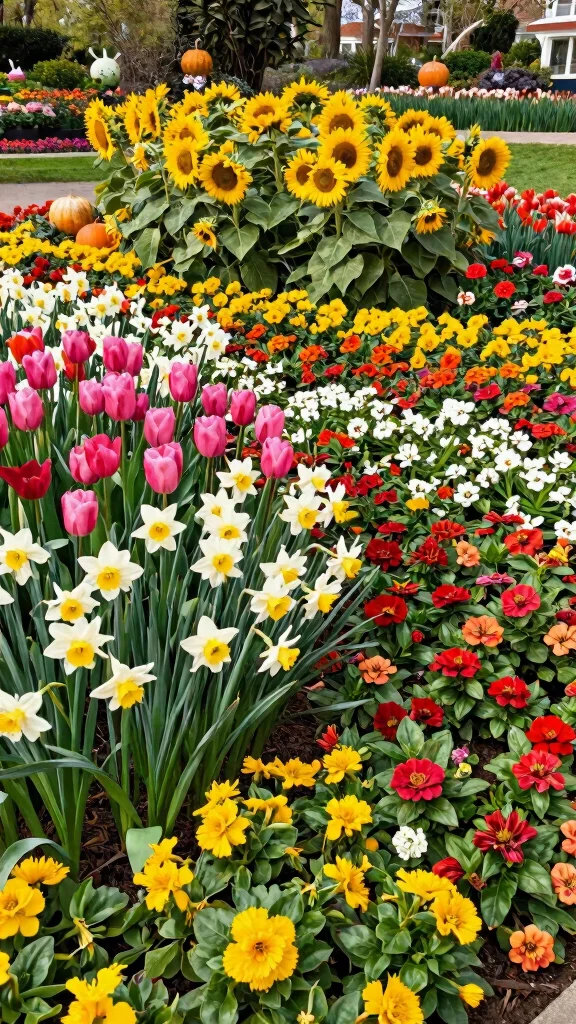
Celebrate the seasons by designing flower beds that reflect nature’s changing beauty. Seasonal themes let you swap out plants depending on what’s blooming, creating a dynamic and exciting landscape year-round. Start with vibrant spring bulbs like tulips, transition to summer favorites like sunflowers, and finish with fall’s beautiful mums.
By grouping plants that bloom simultaneously, you can create stunning visual displays. Consider adding seasonal decorations like pumpkins in fall or twinkling lights in winter to enhance your outdoor area.
To design your seasonal garden:
– Select seasonal flowers for each time of year
– Group plants that bloom at the same time for impact
– Incorporate seasonal decorations to enhance the theme
– Change layouts as seasons shift for freshness
Your seasonal theme garden invites enjoyment of nature’s rhythm. Experience the changing canvas of your vibrant outdoor space!
Seasonal themes keep garden love alive—your flower garden bed ideas can breathe with the seasons. Swap in spring bulbs, summer sunflowers, and fall mums, then enjoy a year-round, dynamic landscape you actually want to spend time in.
Seasonal Themes: A Garden That Transforms
Editor’s Choice

Kynup Garden Tools, Gardening Tools Set with Garden Hand Shovel, Garden …

Chunful 4 Pcs Thanksgiving Decorative Garden Stakes Vintage Pumpkin Yard…

Bulb Planter Tool, Bulb Planter with Depth Markers and Bend Free for Pla…
Conclusion: Your Perfect Floral Escape Awaits
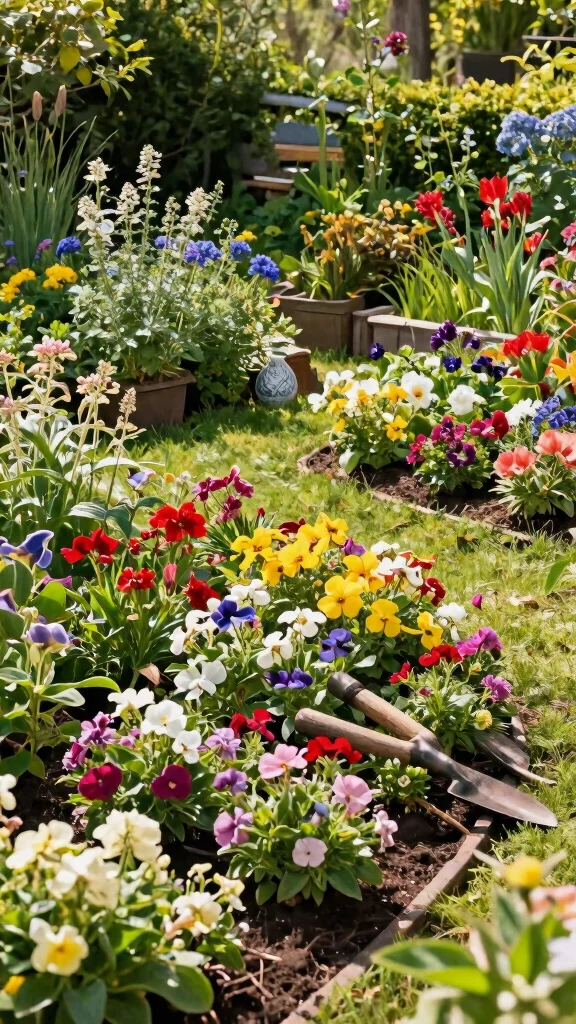
Creating beautiful flower garden beds is a rewarding endeavor that enhances your outdoor living spaces and nurtures your connection to nature. From vertical designs to whimsical cottage gardens, there’s a flower garden bed idea to suit every taste and space. As you bring your floral visions to life, remember to embrace seasonal changes and the unique characteristics of your garden.
With the right plant combinations and thoughtful layouts, your outdoor space can become a relaxing retreat that invites you to spend time outside, surrounded by the beauty of blooming flowers. So grab your gardening tools and let your creativity bloom!
Note: We aim to provide accurate product links, but some may occasionally expire or become unavailable. If this happens, please search directly on Amazon for the product or a suitable alternative.
This post contains Amazon affiliate links, meaning we may earn a small commission if you purchase through our links, at no extra cost to you.
Frequently Asked Questions
Question: What are some practical vertical flower bed ideas for small spaces?
For small spaces, vertical setups let you grow more without using precious ground area. Consider wall-mounted planters, pocket panels, tiered plant stands, or a living trellis. Choose lightweight, modular systems with good drainage and simple irrigation to keep maintenance easy. Plan with flower garden bed ideas in mind by mixing flower bed designs that fit sun exposure and your climate, and add color with seasonal flowers that bloom in stages.
Keep a simple color story and use plant combinations that include a mix of trailing and upright varieties.
Question: How can I design a vertical garden bed to feature seasonal flowers all year long?
Plan in seasons. Start with a sturdy vertical structure that can hold changes: modular planters, trellis, or pocket panels. Choose a core palette of seasonal flowers that bloom in sequence, and rotate varieties as seasons shift so you always have color. Pair early-spring bloomers with midsummer stars and late-season accents to cover the calendar. Use garden layout tips like sun exposure, water access, and accessibility to keep care manageable.
Also check flower bed designs suited to your hardiness zone to optimize success.
Question: What are the best plant combinations for a vertical flower garden bed?
Think texture and bloom timing. Combine trailing annuals (like calibrachoa and verbena) with upright stems (dahlias, snapdragons) and a sturdy base shrub or perennial for year‑round backbone. For sun-drenched walls, select sun-loving combos; for shade, mix shade-tolerant options. This practical approach to plant combinations keeps your bed lively and cohesive.
Hint: group plants by similar water needs to simplify irrigation and avoid waste, and use flower bed designs that emphasize both color and form.
Question: How can I plan garden layout tips to make my vertical beds fit into outdoor living spaces?
Start with sightlines from seating areas and entryways. Place vertical beds to create intimate zones, define flow, and balance height with surrounding features in your outdoor living spaces. Think about accessibility for watering and pruning, choose materials and colors that match your home, and repeat a few heights for rhythm. Use clear, simple layouts so your eye moves naturally through blooms.
Consult garden layout tips from designers for palettes and spacing that work in real backyards.
Question: Are there easy maintenance ideas to keep vertical flower beds vibrant across seasons?
Yes. Start with drainage, organic soil, and a simple irrigation plan. Mulch to conserve moisture and suppress weeds, and prune spent blooms to encourage fresh growth. Refresh with seasonal flowers as needed and rotate in new flower bed designs to avoid stagnation. Keep a simple maintenance schedule: check soil moisture weekly, replenish nutrients, and watch for pests.
With these practical steps, your vertical bed will stay colorful and thriving in every season.
Related Topics
flower garden beds
vertical gardening
seasonal flowers
garden layout tips
outdoor living
plant combinations
easy gardening
beginner friendly
colorful flower beds
DIY flower designs
space-saving gardens
creative garden ideas