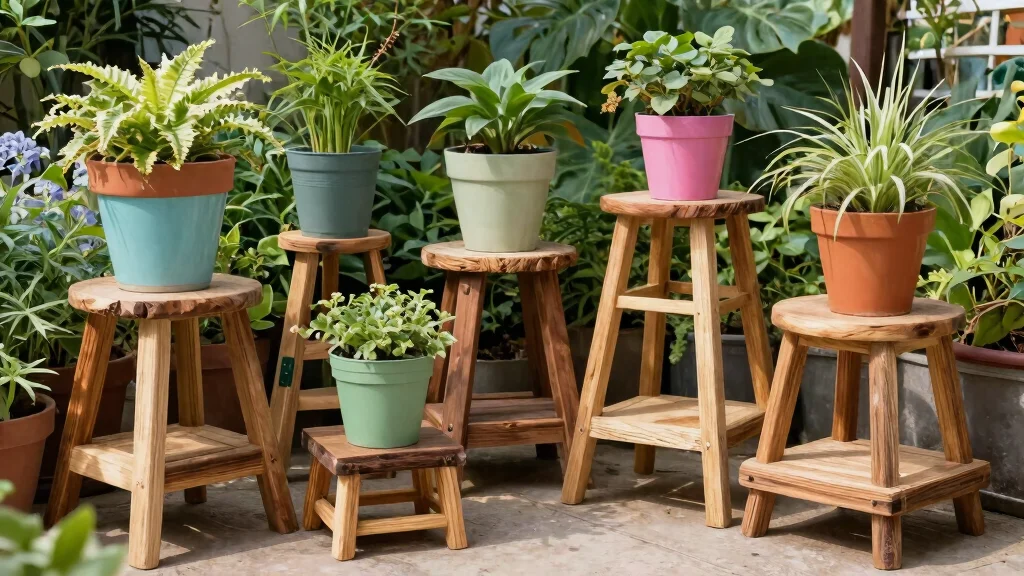
Creating a beautiful garden space can be a rewarding journey, especially when it comes to showcasing your beloved plants. You may be searching for ways to elevate your plant display, and that’s where this post comes in. I’ve gathered a collection of 9 DIY tiered plant stands that will make your plants look like they belong in a magazine. These stands are not just functional; they add charm and personality to your garden decor.
If you love gardening or just enjoy having a touch of nature indoors, you’ll find these ideas especially appealing. Whether you have a small balcony or a spacious backyard, these DIY projects are designed for anyone eager to enhance their plant display. From rustic wooden crates to creative hanging planters, these designs cater to all tastes and skill levels.
What can you expect from this guide? You’ll discover a variety of unique and stylish plant stands that you can easily create at home. These ideas are not only budget-friendly, but they also offer eco-conscious solutions by utilizing upcycled materials. By the end of this post, you’ll have fresh inspiration to transform your gardening space with these charming, homemade garden furniture pieces that look far too good to be made by hand.
Key Takeaways
– Discover 9 unique DIY tiered plant stands that enhance any garden decor and showcase your plants stylishly.
– Learn how to use upcycled materials for budget-friendly projects, promoting sustainability while beautifying your space.
– Each project caters to various skill levels, making it easy for anyone to find plant display ideas that suit their experience.
– Get practical tips on transforming everyday items into creative plant stands that can fit your personal style and space.
– Find inspiration to embrace vertical gardening solutions that optimize space and add visual interest to your garden or home.
1. Rustic Wooden Crate Stand

Embracing a rustic aesthetic, transforming old wooden crates into a tiered plant stand is both simple and stylish. Stacking crates not only provides varying heights for your plants but also introduces a charming, organic texture to your space. This design harmonizes with natural greenery, creating an inviting and vibrant atmosphere.
To implement this idea, ensure the crates are securely stacked and consider personalizing their finish to match your outdoor decor. A weathered look can add character, while a fresh coat of paint can brighten your space. Don’t forget to incorporate drainage holes to keep plants healthy.
Consider these practical steps:
– Pair crates of different sizes for a dynamic look
– Install a protective liner to prevent soil loss
– Use fairy lights to create a cozy ambiance
– Incorporate painted rocks for added visual interest
This rustic approach not only enhances the aesthetic of your garden but also showcases the beauty of natural materials.
Rustic Wooden Crate Stand
Editor’s Choice

Olympic WaterGuard 11 oz. Clear Exterior Waterproofing Wood Sealer Spray

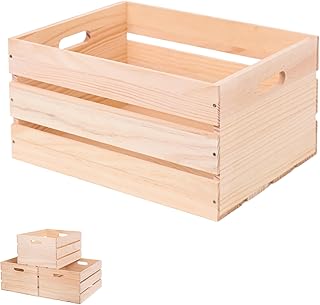
1 Pieces Large Pine Wood Crates For Storage,unfinished natural wooden cr…
2. Pallet Paradise
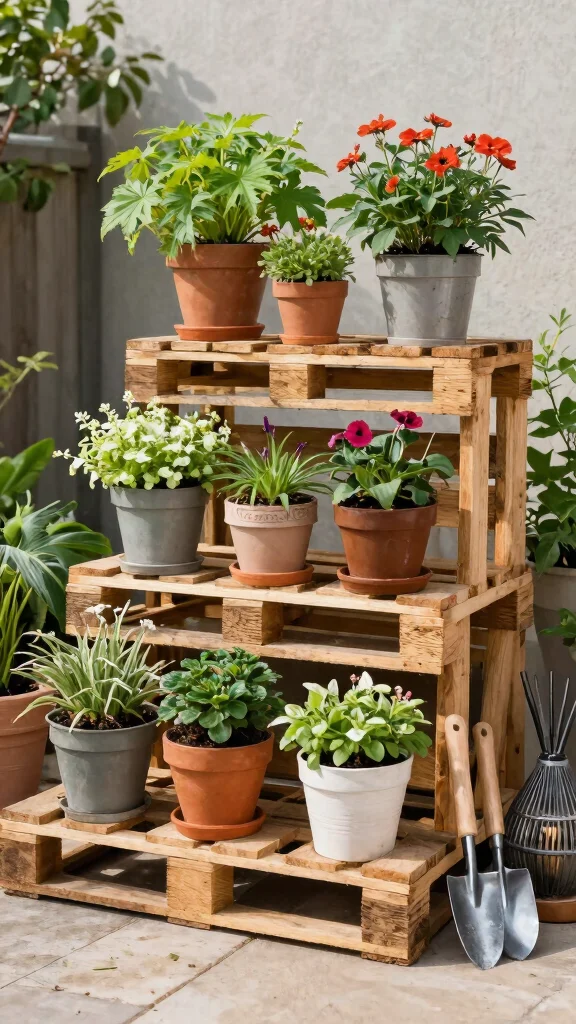
Transform an old pallet into a casual tiered plant stand that exudes charm and ease. By laying the pallet flat or standing it upright, you create multiple levels for your plants to thrive while adding a delightful rustic element. This design allows for ample air circulation and sunlight, perfect for flourishing greenery.
You can personalize the pallet with paint or stains to fit your style, making it a versatile piece in your garden. Adding wheels can enhance its functionality, allowing you to move it as needed. Consider using landscape fabric to keep weeds at bay and create a lively mini jungle with diverse plant types.
Here are some suggestions to elevate your design:
– Incorporate varying pot sizes for visual diversity
– Attach wheels for easy mobility
– Use landscape fabric to block weeds
– Layer plants for a lush, layered look
This approach combines practicality and style, turning a simple pallet into a standout feature in your garden.
📹 Related Video: DIY Plant Stand Out of Used Wood Pallet | Staircase Style Plant Stand
Pallet Paradise
Editor’s Choice

Thompson’s WaterSeal Clear Wood Sealer, Clear, 1 Gallon
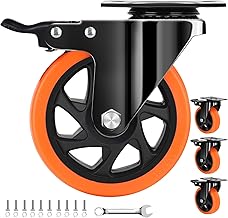
QNCZ Caster Wheels, 5 Inch Heavy Duty Casters Set of 4, Silent Industria…

Rust-Oleum 1993502 Painter’s Touch Ultra Cover Multi-Purpose Brush-On Pa…
3. Vintage Ladder Charm

An old wooden ladder can become a delightful tiered plant display, bringing a unique character to your garden. Lean it against a wall or fence, using the rungs to showcase pots of varying heights. This not only saves space but also becomes a striking focal point that invites admiration.
The ladder’s vertical design draws the eye upward, enhancing the overall aesthetics of your garden. Consider adding hooks for decorative pots or string lights to create a magical evening ambiance. For stability, secure the ladder with brackets and allow trailing plants to cascade down for added texture.
To enhance your display, try these tips:
– Incorporate trailing plants for a cascading effect
– Use decorative pots to add charm
– Secure the ladder with brackets for safety
– Mix heights for visual intrigue
This charming design not only saves space but also adds a whimsical touch to your outdoor area.
Vintage Ladder Charm
Editor’s Choice

HITNET Black Bookshelf, 4-Tier Ladder Shelf, Freestanding Leaning Bookca…
Brightown Outdoor String Lights, 50FT 25 G40 Bulbs Shatterproof Patio Li…

DeeCoo 3 Piece Ceramic Plant pots Indoor Pots Set with Drainage Holes, 5…
4. Metal Frame Marvel

For a sleek, industrial vibe, consider crafting a tiered plant stand from an old metal frame, such as a bed frame or fence panel. This creative approach results in a modern design that is both durable and stylish. The combination of metal and plants delivers a striking contrast that enhances any contemporary garden.
You can customize the frame’s color to complement your garden decor, and adding wooden shelves can provide extra display space. This design not only looks chic but can withstand outdoor elements, ensuring longevity. Consider varying the heights of your plants for a more dynamic appearance.
Here are some ideas to consider:
– Paint the frame to match your color scheme
– Attach wooden shelves for added plant space
– Use rust-resistant finishes for durability
– Incorporate plant heights for tiered visual interest
This industrial design merges functionality with style, making your garden stand out.
Metal Frame Marvel
Editor’s Choice

AZSKY Picture Ledge Shelf, Small Floating Shelves Set of 2, 16 Inches Nu…

7798830 Stops Rust Spray Paint, 12 oz, Semi-Gloss Black

Gold 8×10” Floating Frame Set of 2,For Photo Sizes( 5×7”,6×8”,7×9”),…
5. Concrete Block Base
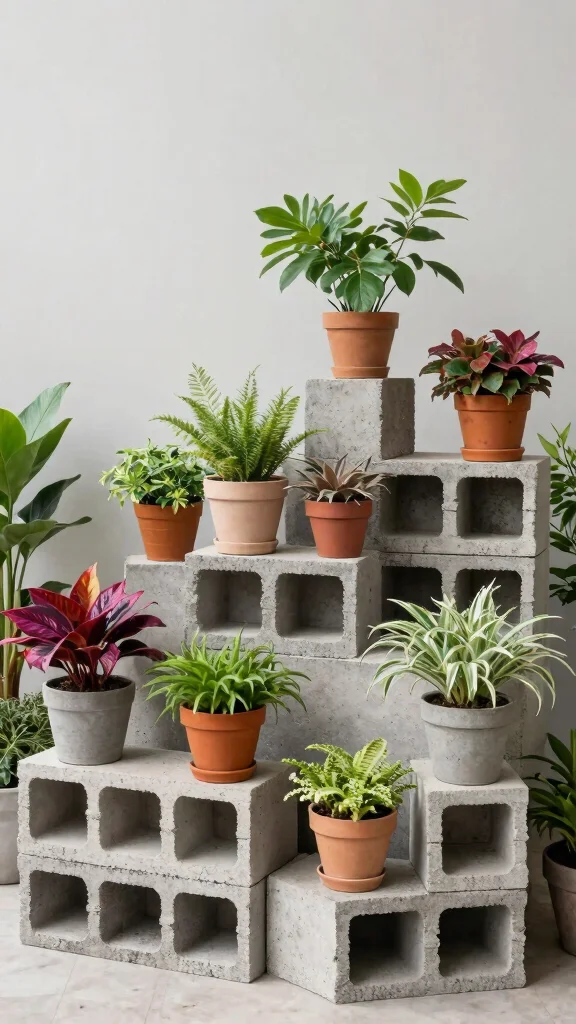
For a sturdy and modern option, consider using concrete blocks to create a tiered plant stand. Arranging these blocks into various configurations allows for excellent drainage and airflow, supporting healthy plant growth. The robust nature of concrete makes it ideal for urban settings where stability is key.
You can personalize the blocks with bright paint colors or leave them raw for a natural appeal. Additionally, filling the block holes with soil for smaller plants creates an integrated, artistic design. This approach is both functional and visually appealing, perfect for your garden or patio.
Consider these ideas:
– Paint blocks in vibrant colors for a pop of color
– Fill block holes with soil for small plants
– Stack blocks in unique arrangements for visual interest
– Use raw concrete for a minimalist look
This design not only offers practicality but also adds an artistic flair to your outdoor space.
Fun fact: stacked concrete blocks can safely support 150+ pounds per tier, while keeping drainage airflow ideal for thriving plants. Personalize with color or raw stone for an urban, budget-friendly diy tiered plant stand.
You might also like
Concrete Block Base
Editor’s Choice

Burpee, 9 Quarts | Premium Organic Potting Natural Soil Mix Food Ideal f…
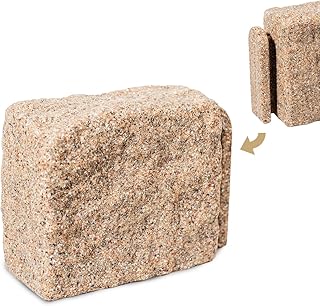
Beuta Faux Stone Starter Block – 7″ L x 4″ W x 6.5″ H – DIY Dig-Free…

KILZ Decorative Concrete Coating, Slip-Resistant Gray Paint with Stone-L…
6. Charming Wheelbarrow Display

Turn an old wheelbarrow into a whimsical tiered plant stand for a playful touch in your garden. This charming piece can be filled with pots or planted directly for a natural look, enhancing the character of your outdoor space. Its unique shape draws attention, making it a delightful focal point.
The rustic appeal of the wheelbarrow adds charm while providing a practical solution for displaying plants. If rust is present, embrace it as character. Consider adding a waterproof liner for direct planting, and opt for trailing herbs or annuals to create a lush, overflowing effect.
Here are some suggestions to enhance your display:
– Use a waterproof liner for direct planting
– Embrace rust for a vintage look
– Plant herbs that spill over the edges
– Arrange pots of varying sizes for visual interest
This creative approach not only showcases your plants but also adds a fun, quirky element to your garden.
Fun fact: A single wheelbarrow can hold 5-7 pots, turning it into a charming, diy tiered plant stand. With a waterproof liner, you can plant directly for a rustic, low-maintenance focal point. Your yard will look deliberate and welcoming in minutes.
Charming Wheelbarrow Display
Editor’s Choice

SUNYAY 12×40 inch Natural Coco Liner Roll Coconut Coir Liner Sheets Coco…
Rust-Oleum 7798830 Stops Rust Spray Paint, 12 oz, Semi-Gloss Black
DeeCoo 3 Piece Ceramic Plant pots Indoor Pots Set with Drainage Holes, 5…
7. Stylish Bookcase Transformation

Transforming an old bookshelf into a stunning tiered plant stand is both creative and functional. You can remove shelves or keep them intact to provide varying layers for your plants. This integration of bookish charm with gardening decor creates a unique look that stands out in any space.
Efficiently utilizing vertical space, this design offers different levels for light and airflow, essential for plant health. Consider mixing plant types on each shelf for visual diversity. Ensuring the bookshelf is stable and secure will keep your plant display safe.
Consider these tips for your transformation:
– Secure the bookshelf to prevent tipping
– Use fun pots to add personality
– Incorporate books or accessories as decor
– Mix plant types for a dynamic display
This approach not only maximizes space but also enhances the overall aesthetic of your garden.
Difficulty Rating & Requirements
Overall Difficulty Rating: Medium
Creating a DIY tiered plant stand can be moderately challenging. It requires some basic woodworking skills and an understanding of how to work with various materials. This project is suitable for those with a little experience in DIY projects, as well as dedicated beginners willing to learn. If you have a passion for gardening and enjoy crafting, you will find satisfaction in building these stands.
Time Estimate:
⏱ Estimated time: 5-10 hours depending on the complexity and design of the stand. Here’s a breakdown of major phases:
– Planning and Design: 1-2 hours
– Material Sourcing: 1-3 hours
– Building the Stand: 3-5 hours
– Painting or Finishing: 1-2 hours
Skill Requirements:
– Required skills: Basic carpentry, painting, and finishing techniques, measuring, and cutting materials.
– Beginner-friendly: Yes, but some experience with tools is helpful. If you’re willing to learn, many skills can be picked up during the project.
– Skills that can be learned: Measuring accurately, using power tools, and finishing wood.
– Skills requiring experience: Advanced woodworking techniques for intricate designs.
Tools & Materials Needed:
🧰 Essential items checklist:
– Wood or pallets (required)
– Saw (required)
– Drill and screws (required)
– Sandpaper (required)
– Paint or wood stain (optional)
– Measuring tape (required)
– Level (optional)
– Paintbrush or roller (optional)
Step-by-Step Overview:
1. Planning and Design (1-2 hours): Decide on the type of plant stand you want to make. Sketch out your design, taking into account the size and shape you envision for your plants. Choose materials based on your desired look.
2. Material Sourcing (1-3 hours): Gather all necessary materials and tools. Visit local hardware stores or check for upcycled materials around your home or neighborhood.
3. Building the Stand (3-5 hours): Cut your wood or pallets to the desired lengths. Assemble your plant stand using screws and a drill, ensuring it is stable and secure. Sand the edges for a smooth finish.
4. Painting or Finishing (1-2 hours): If desired, apply paint or wood stain to enhance the appearance of your stand. Allow time for drying. This step adds personality and protects the wood.
Professional vs DIY:
Professional: Hiring a professional to create a tiered plant stand might cost anywhere from $150 to $500, depending on materials and complexity.
DIY: Creating your own stand can cost as little as $30 to $100, primarily based on materials. If you’re handy and enjoy working with your hands, tackling this project yourself can save you a lot of money and provide a unique piece for your garden.
Whether you choose to hire help or take on the challenge yourself, building a DIY tiered plant stand is both a rewarding experience and a great addition to your garden decor!
Stylish Bookcase Transformation
Editor’s Choice

Varathane Premium Fast Dry Wood Stain | 1 Hour Dry Time | 1 Coat Color |…

GIGALUMI Garden Decor Outdoor Lights 120LED 2Pack, Solar Garden Lights O…

Gepege 6 Inch Beaded Ceramic Planter Set of 2 with Drainage Hole and Sau…
8. Tiered Metal Plant Stand

If modern design speaks to you, consider creating a tiered plant stand using metal pipes. This chic, industrial look is not only sturdy but also customizable to fit your space and plant collection. The clean lines of metal create an eye-catching contrast with lush greenery, enhancing any contemporary garden setup.
These stands can be designed to fit snugly against a wall or stand freely, providing versatility in your outdoor layout. Adding wooden shelves can further enhance your plant display, combining textures for visual richness. Mixing pot materials adds depth to the overall aesthetic.
Here are some suggestions to elevate your design:
– Use rust-resistant finishes for longevity
– Add wooden shelves for extra space
– Mix textures with ceramic and woven pots
– Create height variations for an appealing look
This modern approach not only showcases your plants beautifully but also adds a chic element to your garden.
“Fun fact: metal pipe tiers can support over 60 lbs per level with the right fittings. A diy tiered plant stand adapts to any space, whether snug against a wall or freestanding, and adding wooden shelves boosts durability and style.”
You Might Also Like
Tiered Metal Plant Stand
Editor’s Choice

Giraffe Creation 10-Inch Round Cylinder Plant Pot, Modern Indoor/Outdoor…

39.4″ Bamboo Ladder Shelf Plant Shelf, 3 Tier Foldable Ladder Flower Pot…

12 PCS Middle Support Leg for DIY Metal Plant Stand, Black Baking Varnis…
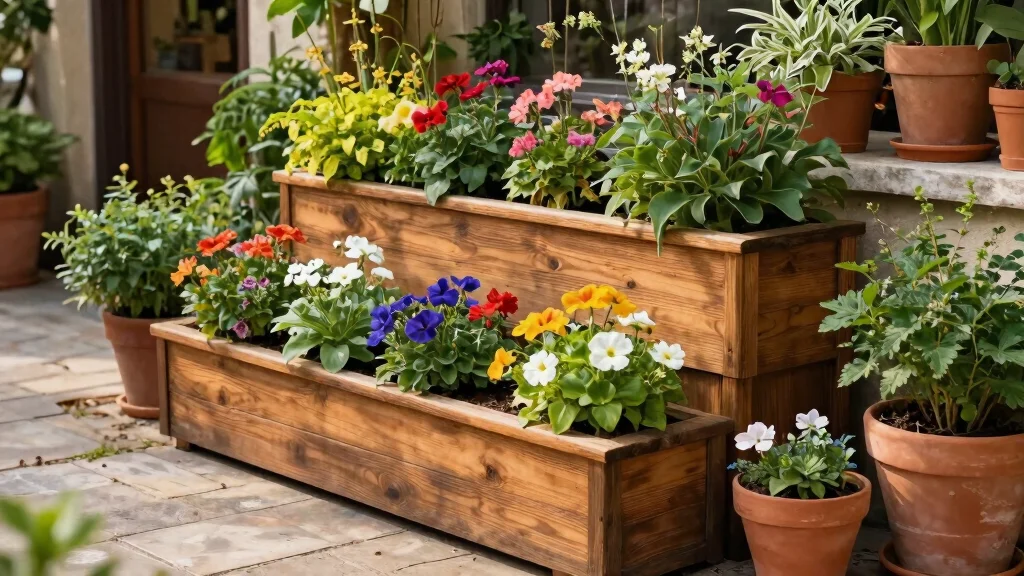
9. Creative Hanging Planters

If space is limited, hanging planters can create a tiered appearance without taking up valuable floor space. By suspending pots at varying heights, you achieve a beautiful floating effect that adds depth and interest to your garden. This design is ideal for small balconies or tight corners where traditional stands might not fit.
This unique perspective showcases your plants from below, drawing the eye upward for a captivating display. Ensuring the hooks are sturdy will keep your plants secure, while mixing in trailing plants enhances the cascading effect.
Consider these tips for your hanging design:
– Use sturdy hooks that support your plants
– Mix trailing plants for visual appeal
– Vary heights for a dynamic look
– Choose colorful pots to brighten the space
This creative solution not only maximizes limited space but also adds an artistic flair to your garden.
Creative Hanging Planters
Editor’s Choice
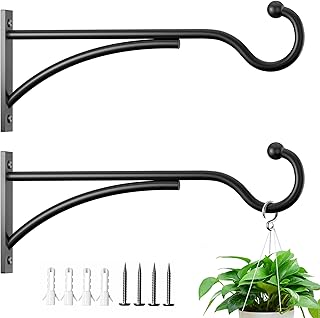
11 Inch 2 Pack Heavy Duty Plant Hangers Outdoor, Metal Plant Brackets fo…

Ceiling Hooks for Hanging Plants 2Pack 2.5in,Wall Plant Hooks for Plants…

Mkono Macrame Plant Hanger Indoor Hanging Planter Basket with Wood Beads…
Conclusion

DIY tiered plant stands not only enhance your gardening space but also showcase your creativity. Whether you favor rustic wood, industrial metal, or playful repurposed items, there’s a design that can perfectly complement your style.
By embracing upcycled materials, you not only save money but also contribute to a more sustainable lifestyle. So why wait? Gather your materials, roll up your sleeves, and start crafting your own impressive plant displays today!
Note: We aim to provide accurate product links, but some may occasionally expire or become unavailable. If this happens, please search directly on Amazon for the product or a suitable alternative.
This post contains Amazon affiliate links, meaning we may earn a small commission if you purchase through our links, at no extra cost to you.
Frequently Asked Questions
What materials are best for making a DIY tiered plant stand from upcycled items?
For an upcycled diy tiered plant stand, start with sturdy, weather-safe parts like solid reclaimed wood crates, pallet boards, galvanized brackets, copper pipes, or metal shelving.
Check weight capacity and ensure even weight distribution across tiers to keep it stable.
Seal or paint everything with an outdoor-grade finish to resist moisture and sun, and use rust-proof hardware.
Plan your footprint and tier spacing to fit your plants and space, keeping garden decor and creative plant stands in mind.
How do I design a DIY tiered plant stand that maximizes vertical gardening space?
Start with a simple sketch of the footprint, choose how many tiers you want, and map plants by size and light needs.
Use upcycled components like vintage crates for shallow shelves and a solid base for stability.
Build with sturdy brackets or corner braces, making sure each tier is level and properly spaced for growth.
Place the stand in a sunny or filtered-light spot and plan for drainage and airflow to support vertical gardening solutions and smart plant display ideas.
What safety tips should I follow when building a homemade garden furniture tiered stand?
Wear safety glasses and gloves, and work in a clean, well-lit space.
Check weight limits, predrill to avoid cracking, and secure heavy tiers with proper hardware.
If outdoors, anchor tall or top-heavy stands to a wall or stake to prevent tipping, and ensure finishes are non-toxic for garden use.
Always test stability with a gentle load and watch for sharp edges or protruding nails that could injure you or curious pets.
How can I customize a diy tiered plant stand to match my garden decor style?
Choose a color palette and finish that complements your space—natural wood with a clear seal, a weathered whitewash, or bold paint to echo your garden decor.
Mix and match upcycled items for a unique look, and add decorative touches like rope trim, caster wheels, or glass shelves for a creative plant stands vibe.
Consider the stand’s silhouette—ladder-style, circular, or staggered tiers—to fit your space and plant display ideas and overall style.
What maintenance does a DIY tiered plant stand require to keep it looking good and stable?
Do a quick weekly check for loose screws and wobble, wipe away dust, and clean shelves with a damp cloth.
Re-seal or repaint every season or as needed to protect against moisture and sun exposure.
If you notice rot or warping, replace affected boards promptly and re-tighten all hardware.
For outdoor uses, bring the stand indoors during harsh winters or cover it to extend its life.
Related Topics
diy tiered plant stand
upcycled garden decor
plant display ideas
vertical gardening
homemade furniture
creative plant stands
easy DIY projects
garden organization
budget friendly decor
outdoor styling
eco-friendly gardening
beginner friendly