
Creating a lovely sidewalk flower bed is like rolling out a welcome mat for your home. It adds beauty, charm, and a sense of warmth to your entrance. This post is inspired by my own yearning to make my front yard feel as inviting as possible. After all, stepping into a space filled with colorful blooms can brighten anyone’s day.
If you love gardening but feel limited by space, this guide is for you. Urban dwellers and gardening enthusiasts alike often face the challenge of small areas. You want your home to stand out while also feeling cozy. That’s why I’ve gathered 7 sidewalk flower bed ideas that are creative, practical, and tailored for small spaces. These ideas will not only boost your curb appeal but also make every step to your door feel special.
Within this post, you’ll discover diverse flower bed designs that range from layered blooms to container gardening. You’ll learn how to incorporate seasonal blooms and even edible flowers. Each idea is crafted to help you create a stunning display without overwhelming your space. So grab your gardening gloves, and let’s dive into these fantastic flower bed concepts!
Key Takeaways
– Explore layered blooms to add depth and visual interest to your flower bed, making it more appealing from every angle.
– Discover how container gardening offers flexibility, allowing you to rearrange plants easily and adapt to seasonal changes.
– Consider edible flower beds to blend beauty with functionality, providing both stunning visuals and delicious ingredients for your kitchen.
– Utilize seasonal blooms to ensure your flower bed is vibrant year-round, keeping your entryway lively and inviting.
– Implement low-maintenance perennials for lasting beauty that requires less upkeep, making your gardening experience more enjoyable and stress-free.
1. Layered Blooms for Depth

Do you want to create a flower bed that captivates and intrigues? Layering your blooms can add stunning depth to your sidewalk, making each visit to your door feel special. By mixing flowers of different heights, you can ensure that shorter plants bloom proudly in front of taller ones, creating a captivating display. Consider starting with eye-catching tulips at the back, surrounded by a colorful array of dahlias and geraniums in the middle, and finishing with charming alyssum or creeping thyme at the front for a rich, layered effect. This vibrant arrangement not only draws the eye but also paints a beautiful picture throughout the growing season.
To achieve this layered look, think about staggering the blooming times of your flowers to enjoy color from early spring to late fall. Mixing textures is also key; combine smooth petals with spiky foliage for added interest. It’s essential to keep in mind the sunlight requirements of each plant, ensuring that taller ones don’t block out the light for their shorter companions.
Key steps to get started:
– Choose flowers with staggered bloom times for year-round color.
– Mix textures by pairing different types of foliage.
– Ensure proper sunlight distribution for all plants.
This thoughtful design directs attention to your entrance, making every walk to the door a delightful experience. With careful planning, your layered flower bed can become a stunning focal point.
Layered Blooms for Depth
Editor’s Choice

Garden Tools Set, 3 Pack Heavy Duty Gardening Tools Set Include Garden S…

![Landscape Edging 33FT,Garden Edging Borders [Extra Tall 4IN High] Flexib...](https://m.media-amazon.com/images/I/61g6PosFAJL._AC_UL320_.jpg)
Landscape Edging 33FT,Garden Edging Borders [Extra Tall 4IN High] Flexib…
2. Container Gardening for Flexibility

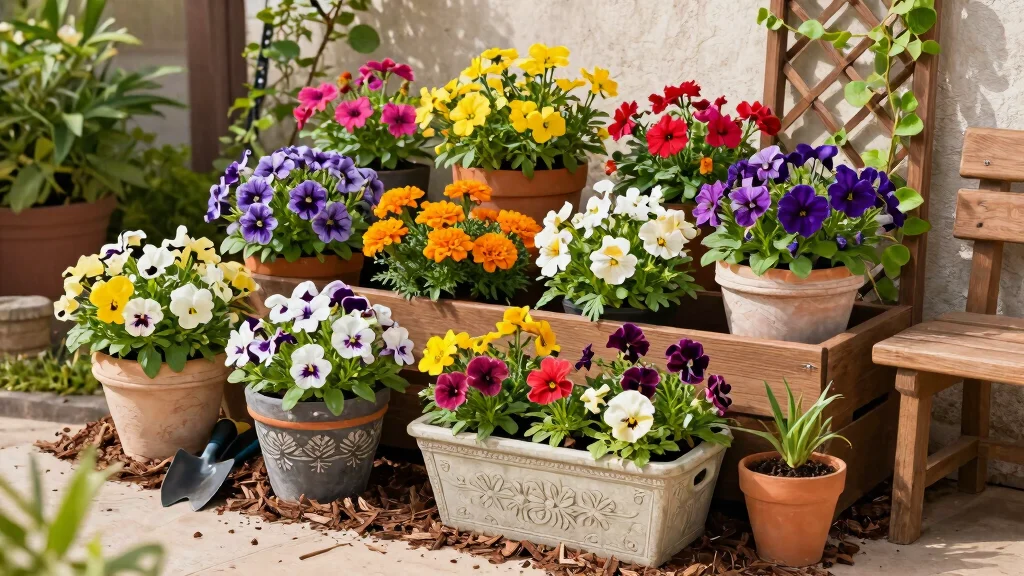
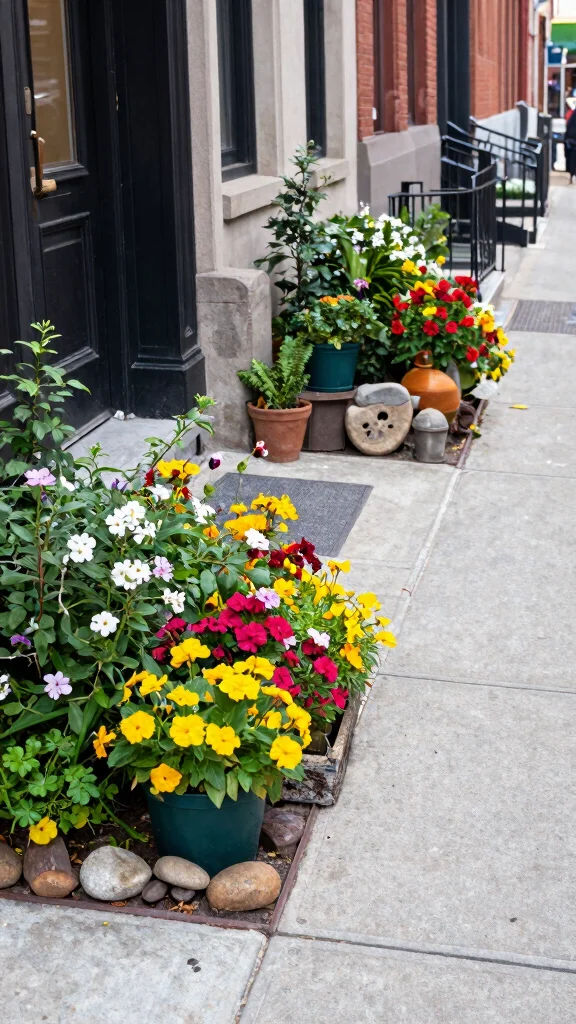
Are you short on space but still want a vibrant flower display? Container gardening opens up endless possibilities for creating beautiful sidewalk flower beds without the commitment of a traditional garden. By using an assortment of colorful pots—think terracotta, ceramic, and metal—you can craft a stylish and eclectic look that changes with the seasons. Imagine filling them with cheerful pansies in the spring and radiant sunflowers in the summer, giving you the freedom to switch things up as the year progresses.
With container gardening, you can easily rearrange your blooms to suit your mood or special occasions. Experiment with different plant combinations and colors to reflect your personal style. It’s also a neat way to define your space without permanent installations, making it perfect for urban settings.
Benefits of container gardening:
– Move pots around to create new arrangements.
– Try various plants for seasonal changes.
– Easily define your space with beautiful containers.
Remember to ensure good drainage and use high-quality potting soil to keep your flowers thriving. The beauty of this method lies in the mix-and-match opportunities, allowing you to express your creativity in every arrangement.
Container Gardening for Flexibility
Editor’s Choice

vensovo Galvanized Metal Oval Planter Buckets with Handles – Set of 3 …

D’vine Dev 8 Inch Ceramic Planter Pot with Drainage Hole and Saucer, Ind…
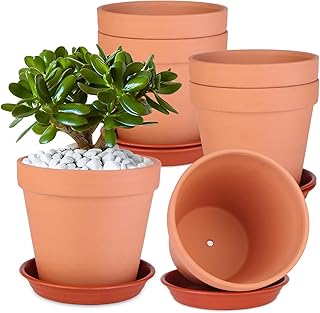
6 Pack 6 Inch Terracotta & Clay Pots with Saucer for Plants, Large Terra…
3. Edible Flower Beds for a Twist

Looking for a way to combine beauty and practicality? Edible flower beds are an exciting twist that can enhance your sidewalk while offering delicious options. Imagine approaching your home and being greeted by vibrant nasturtiums, lovely pansies, or cheerful sunflowers—all of which are not only stunning but also safe to eat! These flowers add fragrance and color to your space, and they can be used in salads or as garnishes, making them a feast for both the eyes and the palate.
To incorporate edible flowers effectively, choose varieties that thrive in your climate and complement traditional blooms for a mixed bed effect. Consider adding herbs like basil or mint nearby to create a complete edible garden. This not only adds another layer of flavor to your cooking but also brings joy to your home.
Steps to create your edible flower garden:
– Select flowers that are both beautiful and safe to eat.
– Combine them with traditional flowers for visual appeal.
– Add herbs nearby for added flavor and variety.
These delightful combinations will not only enhance your culinary experiences but also spark conversations with guests. An edible garden transforms your space into a sensory experience!
Fun fact: edible flower beds can boost curb appeal by up to 40% while feeding your salads at the same time. Start with nasturtiums, pansies, and sunflowers—beautiful and safe to eat. A quick 3-step plan makes sidewalk flower bed ideas truly sing.
Edible Flower Beds for a Twist
Editor’s Choice

Seed Needs Edible Wildflower Seed Packet Collection (7 Varieties of Flow…
4. Seasonal Blooms for Year-Round Color
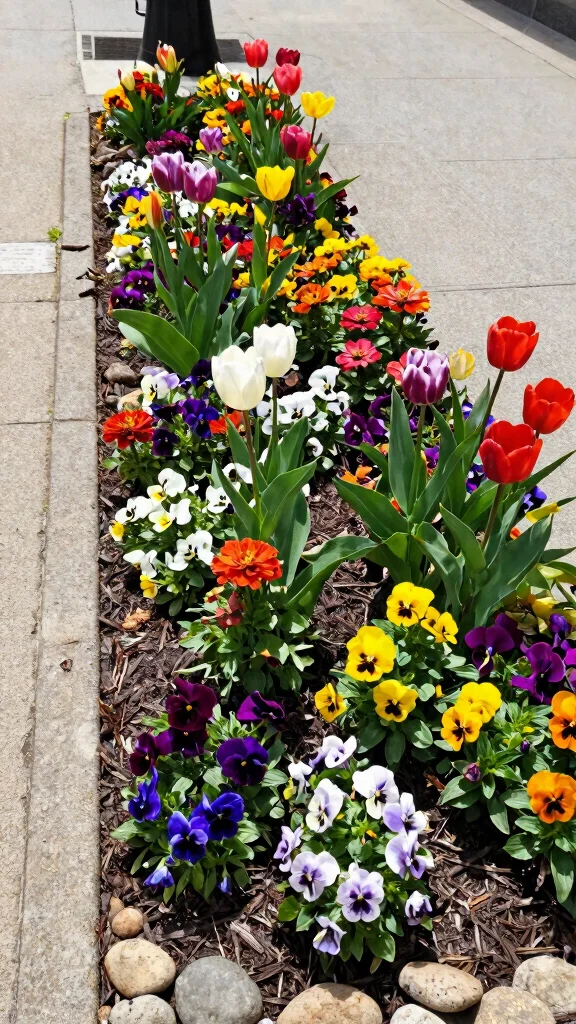
Want your sidewalk flower bed to look fresh no matter the season? Planting seasonal blooms ensures that there’s always something colorful to welcome you home. In the spring, choose bright tulips and fragrant hyacinths; in summer, opt for cheerful zinnias and cosmos; during fall, let the stunning chrysanthemums shine; and in winter, add ornamental kale or winter pansies for a lovely touch.
To care for your seasonal blooms effectively, group plants with similar watering needs to simplify maintenance. Using mulch can help retain moisture and reduce weeds, keeping your flowers healthy and vibrant. Be mindful of each plant’s bloom cycle to maximize the impact of your displays.
Tips for seasonal flower care:
– Group similar watering needs for easier upkeep.
– Use mulch to retain moisture and minimize weeds.
– Consider bloom cycles for optimal color displays.
This approach not only keeps your flower bed looking appealing but also allows you to explore new flowers throughout the year. Embrace the changing seasons and make each journey to your door feel exciting and fresh!
Seasonal blooms are the secret to flawless sidewalk flower bed ideas—color that greets you year-round. Plan plants by shared watering needs, and you’ll spend less time fussing and more time enjoying blooms from spring tulips to winter pansies.
You might also like

Seasonal Blooms for Year-Round Color
Editor’s Choice

WORKPRO Extra Thick Kneeling Pad, Soft NBR Foam Cushioning for Knee, Lar…

1 Gallon Watering Can, Metal Watering Can with Removable Spout, Farmhous…
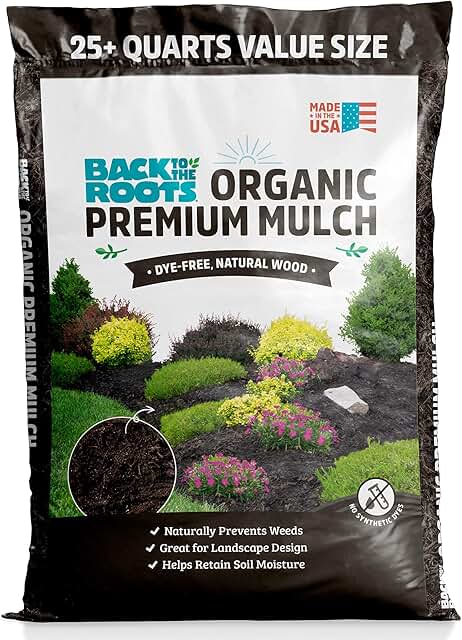
Back to the Roots 25.7qt (1 Cubic ft) Organic Premium Mulch
5. Vertical Designs for Small Spaces
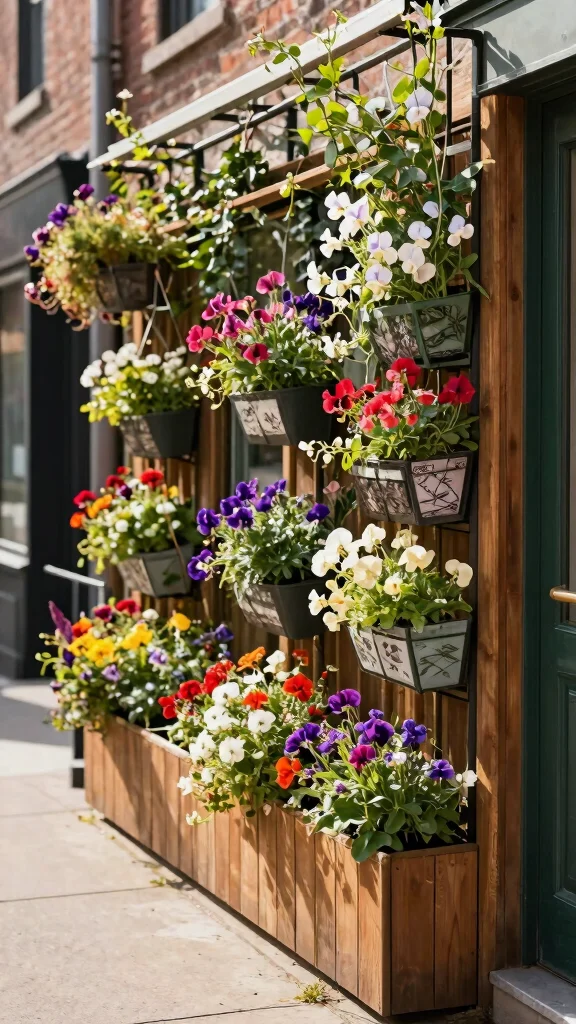
Do you struggle with limited space for gardening? Vertical designs can help you maximize your flower bed area by utilizing walls, fences, or trellises. This approach adds height and drama to your sidewalk while allowing climbing plants like sweet peas or clematis to flourish. You can create a stunning visual display that transforms your entryway into a vibrant oasis.
To create eye-catching vertical designs, consider attaching planters or pockets to fences for layered beauty. Use trellises to encourage climbing plants to cover bare walls elegantly, and incorporate hanging baskets for a multi-dimensional look. This method not only beautifies your space but also personalizes it with your unique touch.
Steps for implementing vertical designs:
– Attach planters to fences for added height.
– Use trellises for climbing plants to beautify walls.
– Hang baskets for a layered floral display.
Vertical gardening truly elevates the aesthetic of your entryway, making every step towards your door a visually rewarding experience. It’s an excellent way to showcase your creativity and gardening skills!
Did you know vertical designs can triple your planting space in a tiny urban entryway? These sidewalk flower bed ideas come alive when you attach planters to fences, add a trellis, and let climbing plants like clematis flourish for a vibrant display. Small-space gardening just got bigger.
📹 Related Video: How to Build An Arched Trellis for 30 Dollars | Vertical Gardening
Vertical Designs for Small Spaces
Editor’s Choice
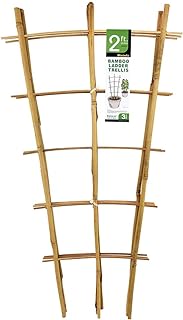
Natural Bamboo Trellis 24 Inches Tall, Mininfa Garden Ladder Trellis, Pl…

Mkono Galvanized Metal Wall Planter Farmhouse Wall Vase for Artificial P…

ZeeDix 2 Pack 14 Inch Hanging Baskets for Plants Outdoor, Metal Wire Rou…
6. Themed Color Palettes for Cohesion
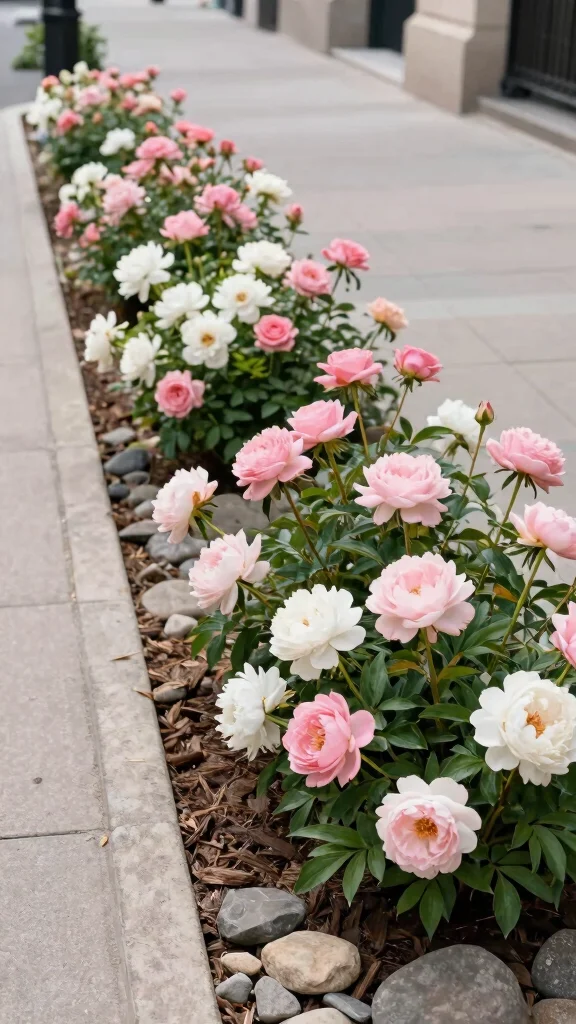
Do you want your flower bed to stand out and feel harmonious? Planning a themed color palette is a fantastic way to create a cohesive look that catches the eye. Whether you lean towards soft pastels, vibrant jewel tones, or a sleek monochromatic scheme, selecting colors that complement one another will make a striking impact on your sidewalk.
To establish a successful theme, pick a primary color and balance it with two or three secondary colors. Keep in mind the colors of your home and sidewalk when making your selections. Incorporate flowers of different heights and textures while maintaining your theme to enhance visual interest.
Tips for creating a cohesive color palette:
– Choose a primary color and add two to three complementary colors.
– Consider surrounding elements when picking colors.
– Use varying heights and textures for an engaging display.
This thoughtful approach enhances your curb appeal and provides a sense of order, making each approach to your door feel intentional and stylish, transforming your space into a welcoming retreat.
You Might Also Like

Top Varieties for Different Conditions
1. Marigolds
– Best conditions: Full sun and well-drained soil. Great for temperate climates.
– Key features: Marigolds are vibrant and easy to grow, providing a splash of orange and yellow. They also repel pests, making them perfect for urban gardens.
– Considerations: They may not thrive in overly humid areas. Make sure to deadhead spent blooms for continuous flowering.
2. Petunias
– Best conditions: Full sun, well-drained soil. Suitable for coastal regions.
– Key features: Petunias come in a variety of colors and patterns. Their long bloom time makes them ideal for adding curb appeal to your sidewalk flower bed.
– Considerations: These flowers need regular watering during hot spells. They can also be susceptible to pests, so keep an eye out for aphids.
3. Herbs (Basil, Oregano)
– Best conditions: Full sun, well-drained soil. Perfect for small spaces and container gardening.
– Key features: Edible herbs not only add beauty but also flavor to your meals. They attract beneficial insects, enhancing your garden’s ecosystem.
– Considerations: Herbs prefer dry conditions, so avoid overwatering. Some herbs may require trimming to keep them bushy and healthy.
4. Pansies
– Best conditions: Cool weather, partial to full sun. Ideal for spring and fall displays in mild climates.
– Key features: Pansies are known for their unique, expressive blooms. They offer stunning color combinations and can withstand light frosts.
– Considerations: They may struggle in high heat. Regular deadheading will keep them blooming longer.
5. Sedums
– Best conditions: Full sun and dry soil. Excellent for hot and dry climates.
– Key features: Sedums are low-maintenance succulents that add texture to your flower bed. They come in various shapes and sizes, and their flowers attract pollinators.
– Considerations: While drought-tolerant, they need well-drained soil. Avoid over-fertilizing, which can lead to leggy growth.
6. Coneflowers (Echinacea)
– Best conditions: Full sun, adaptable to various soil types. Thrives in humid and continental climates.
– Key features: Coneflowers are known for their striking, daisy-like blooms. They attract butterflies and are great for adding height to your flower bed.
– Considerations: They prefer a bit of neglect, so avoid overwatering. Cut back in late fall for the best spring growth.
7. Creeping Thyme
– Best conditions: Full sun and poor, well-drained soil. Best for hot, dry areas.
– Key features: This low-growing plant acts as a ground cover, filling gaps in your flower bed. It produces tiny purple flowers and gives off a pleasant scent when stepped on.
– Considerations: Creeping thyme can be invasive in some areas, so monitor its spread. It also needs enough sunlight for optimal growth.
Climate/Condition Guide:
– For temperate regions, opt for flowers like pansies and marigolds that thrive in cooler temperatures.
– Coastal climates benefit from sun-loving plants like petunias, which can handle slight salt exposure.
– In hot, dry areas, consider drought-resistant options like sedums and creeping thyme.
– Humid climates work well with coneflowers, which enjoy the moisture.
– Always consider your specific sunlight and soil conditions when choosing plants.
Growing Tips:
1. Water regularly but allow the soil to dry out between watering to avoid root rot.
2. Use mulch to retain moisture and suppress weeds, giving your flowers a solid chance to thrive.
3. Rotate your plants seasonally to keep your flower bed looking fresh and vibrant.
Avoid:
1. Don’t overcrowd your plants; give them enough space to grow and breathe.
2. Avoid using high-nitrogen fertilizers, which can lead to excessive foliage at the expense of blooms.
Themed Color Palettes for Cohesion
Editor’s Choice

KVR Upgraded Garden Kneeler and Seat with Thicken & Widen Soft Kneeling …

Grenebo Gardening Tools 9-Piece Heavy Duty Garden Hand Tools with Fashio…

Wells Lamont Gardening Gloves for Women – Breathable Polyester, Seamle…
7. Low-Maintenance Perennials for Lasting Beauty
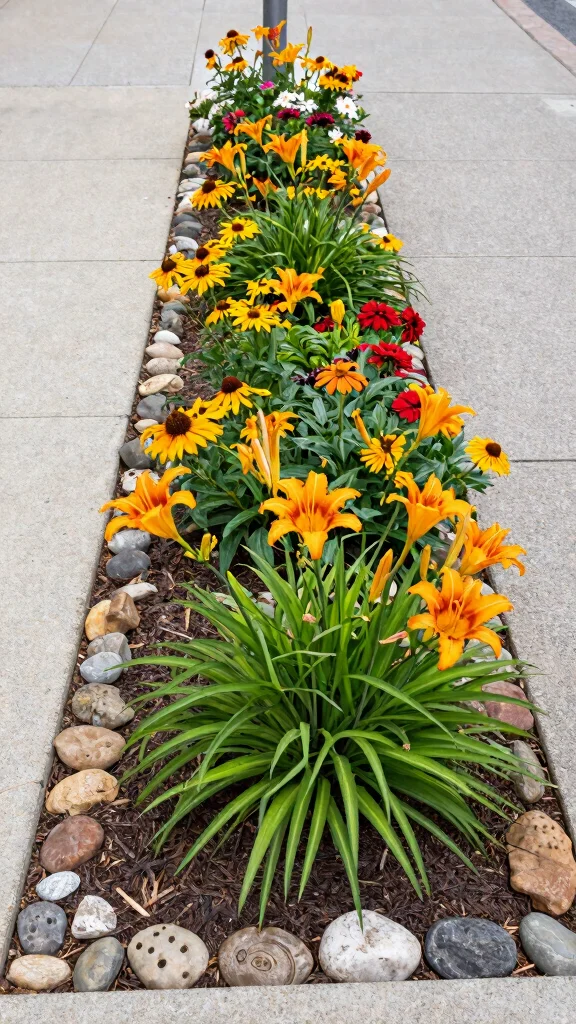
Looking for a beautiful garden without the hassle of constant upkeep? Low-maintenance perennials are the perfect solution! By choosing hardy options like daylilies, sedums, or coneflowers, you can create a stunning flower bed that returns year after year with minimal effort. These resilient plants adapt well to different weather conditions, making them ideal for busy urban gardeners.
The benefits of low-maintenance perennials are numerous. They conserve water and nutrients, meaning less frequent watering is needed. Once established, they thrive with little care, allowing you to enjoy their beauty without the stress of constant maintenance. Plus, their returning nature means you won’t have to replant each season.
Advantages of choosing low-maintenance perennials:
– Conserve water and nutrients for easy care.
– Thrive in various conditions once established.
– Enjoy returning blooms without replanting each year.
By selecting the right perennials for your sidewalk flower bed, you can enjoy a colorful and beautiful display effortlessly. This not only simplifies your gardening routine but also ensures your flowers will bring joy to your home every year.
Low-Maintenance Perennials for Lasting Beauty
Editor’s Choice

29000+ Magic Creeping Thyme Seeds for Planting Perennial Ground Cover Pl…

Organo Republic Echinacea Seeds Pack 5.5 G – Over 1000 Non-GMO Heirloom …

Outsidepride Perennial White MiniClover Seed – 5 lb. Dwarf, Small-Leaved…
Conclusion
Transforming your sidewalk flower bed into a visual delight is easier than you think! From layered blooms to low-maintenance perennials, these ideas bring out the beauty of flowers in every season, making your path to the door a special experience each time. With a little creativity and planning, you can create a welcoming atmosphere that showcases your personal style and makes a lasting impression. It’s time to roll up your sleeves and get gardening!
Note: We aim to provide accurate product links, but some may occasionally expire or become unavailable. If this happens, please search directly on Amazon for the product or a suitable alternative.
This post contains Amazon affiliate links, meaning we may earn a small commission if you purchase through our links, at no extra cost to you.
Frequently Asked Questions
What are the best sidewalk flower bed ideas for small urban spaces?
For sidewalk flower bed ideas, start with a clean plan and scale-appropriate plants. Measure the strip, pick compact varieties, and layer heights to create depth without crowding the sidewalk. In flower bed design, mix low-growing groundcovers, mid-height perennials, and seasonal blooms for continuous color. Edge the bed with a slim border and use a lightweight mulch to keep roots healthy and weeds down. If space allows, add a few portable containers to boost color and flexibility.
How can I boost curb appeal with sidewalk flower bed design?
Focus on a focal point and clean lines. For sidewalk flower bed ideas, choose a centerpiece plant near the entry and use a cohesive palette to improve curb appeal. Install sturdy edging, keep the soil well-draining, and apply mulch for a tidy look. Incorporate container gardening elements near the doorway to welcome visitors with seasonal color that’s easy to refresh.
Can container gardening really work for a sidewalk bed?
Absolutely. With container gardening, you can boost color without crowding the curb. Use a mix of planters that fit the space and echo the bed’s color scheme. Place containers at intervals to create rhythm, and choose drainage-friendly pots for seasonal blooms to thrive. Pair containers with the ground bed for continuous impact, swapping in fresh plantings as the seasons change.
Which seasonal blooms thrive in small sidewalk beds?
Aim for adaptable, compact varieties that shine in seasonal blooms. In spring, try bulbs like crocuses and tulips for an instant splash. Summer favorites include petunias, calibrachoa, and salvia for heat and color. Fall brings mums and ornamental grasses for texture. Mix perennials with annuals in varying heights to keep the bed lively year-round. Choose plants that match your sun and soil for reliable sidewalk flower bed ideas.
What practical landscaping tips will help me maintain sidewalk flower bed ideas?
Start with solid soil prep and drainage because healthy roots power great landscaping tips. Define the space with a slim edging to keep pedestrians safe, and apply a 2–3 inch mulch layer to conserve moisture and cut weeds. Consider container gardening for easy, seasonal color changes. Plan for seasonal blooms rotations so your curbside stays vibrant. Keep a simple maintenance routine: regular watering, deadheading, and refreshing mulch to keep your sidewalk flower bed ideas looking fresh.
Related Topics
sidewalk flower beds
urban gardening
flower bed design
curb appeal
container gardening
seasonal blooms
small space landscaping
easy gardening
DIY flower beds
colorful entrances
landscaping tips
beginner friendly