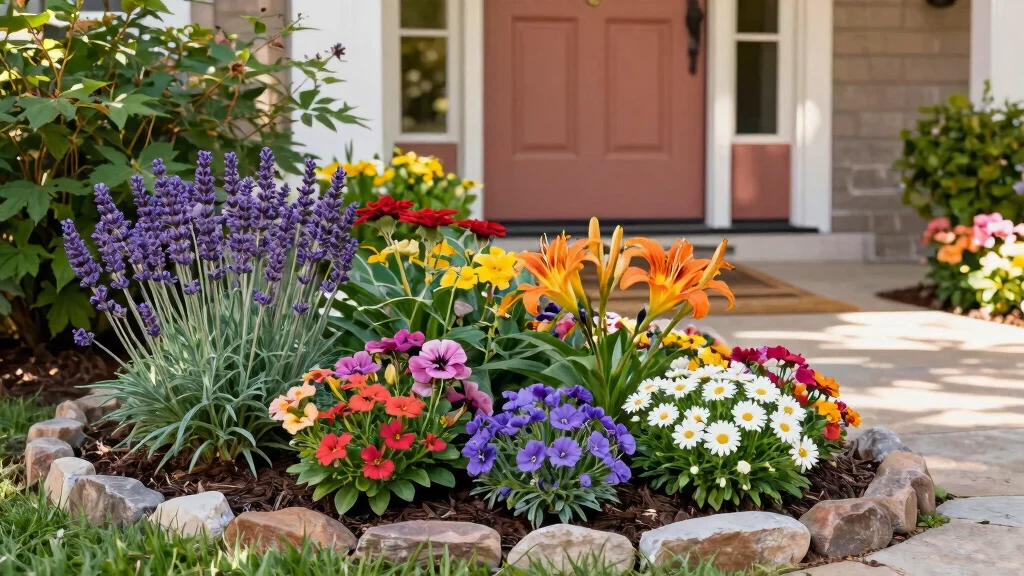
Creating an inviting entrance to your home starts right at the front door. That’s why I put together this post on front door flower bed landscaping ideas that can truly enhance your home’s curb appeal. A well-designed flower bed can welcome guests, showcase your personality, and even boost your property’s value. If you’ve been dreaming of a front yard that radiates charm and warmth, you’re in the right place.
This guide is perfect for homeowners, gardening enthusiasts, or anyone looking to make a statement with their front entrance. You might be wondering how to choose the right plants or designs that suit your lifestyle, especially if you prefer low-maintenance options. Fear not! I have compiled nine creative ideas that are not only visually appealing but also practical and easy to maintain. You’ll discover how to blend colors, textures, and seasonal arrangements to make your front yard a delightful showcase year-round.
With these landscaping ideas, you can transform your entrance from ordinary to extraordinary. Whether you want to go for a classic look with cottage plants or opt for a modern arrangement, this post will offer you insights and inspiration. Let’s dig in and explore how to create that perfect first impression with your front door flower bed!
Key Takeaways
– Discover nine unique front door flower bed designs that enhance curb appeal and create a welcoming atmosphere.
– Learn about low-maintenance perennial plants that require less care while providing beauty throughout the seasons.
– Explore how to incorporate colors, textures, and seasonal flowers for a dynamic and eye-catching front yard.
– Find practical tips for utilizing vertical gardens and edible flowers to maximize space and functionality in your flower bed.
– Gain insight into eco-friendly landscaping options that support local wildlife while beautifying your entrance.
1. The Classic Cottage Garden

Imagine stepping into a whimsical world filled with vibrant blooms and lush greenery. The classic cottage garden captures that essence with its relaxed and inviting design. Picture colorful daisies, rich purple salvias, and soft pink flowering phlox dancing together in perfect harmony. This style isn’t just about flowers; it’s about crafting a delightful experience that welcomes you home.
To achieve this charming look, mix various flower heights and textures for a more dynamic display. Include ornamental grasses that sway gently in the breeze and select perennials that bloom at different times for continuous color throughout the season.
Tips for Creating a Cottage Garden:
– Mix flower types for ongoing blooms throughout the season.
– Use natural materials like stone or wood for an organic touch.
– Allow some flowers to self-seed for a naturally wild look.
This enchanting style not only boosts curb appeal but also attracts butterflies and bees, bringing life to your entrance. Your guests will feel like they’ve entered a serene garden oasis as they approach your door.
Fun fact: For front door flower bed landscaping, a cottage garden can deliver continuous color with just 6-8 perennial varieties that bloom in staggered seasons. Mix heights and textures—daisies, salvias, and phlox—so you get a welcoming, low-maintenance display that feels whimsical and inviting every time you come home.
📹 Related Video: Cottage Garden Design Masterclass – Structure
The Classic Cottage Garden
Editor’s Choice

COOLJOB 2 Pairs Gardening Gloves for Women Ladies, Breathable Rubber Coa…


Grenebo Gardening Tools 9-Piece Heavy Duty Garden Hand Tools with Fashio…

KVR Upgraded Garden Kneeler and Seat with Thicken & Widen Soft Kneeling …
2. Modern Minimalist Design

If simplicity and elegance speak to you, a modern minimalist flower bed might be just what you need. This design emphasizes bold, fewer elements rather than overwhelming colors and patterns. Consider choosing low-maintenance perennial flowers like black-eyed Susans or coneflowers in a chic monochromatic palette.
Arrange these flowers in clean lines or clusters to create visual order, and complement them with contrasting materials like dark stones or smooth pebbles. This straightforward approach not only enhances your space but also simplifies upkeep.
Key Features of Modern Minimalist Design:
– Select larger flower varieties for a striking visual impact.
– Incorporate hardscaping such as concrete or polished stones.
– Limit your color scheme to just two or three shades for a cohesive look.
This design not only elevates curb appeal but also fosters a modern aesthetic that can impress potential buyers when it’s time to sell your home.
Less is more when it comes to front door flower bed landscaping. Choose a few bold perennials—like Coneflowers and Black-eyed Susans—in a chic monochrome palette, arranged in clean lines. Add dark stones to finish, so maintenance stays simple and the entrance feels inviting.
Modern Minimalist Design
Editor’s Choice

Black Eyed Susan Seeds for Planting | 30,000+ Heirloom Seeds, Flower See…

Pebbles Polished Gravel, Natural Polished Mixed Color Stones,0.5-1.2inch…
1200+ Mixed Color Echinacea Seeds – Perennial Multi-Color Coneflower, No…
3. Vibrant Color Wheel

For those who thrive on color, a vibrant color wheel flower bed can be a delightful choice. Imagine a mix of perennial flowers in bold shades of red, yellow, blue, and purple that beautifully complement each other. Arrange these blooms in a circular pattern, placing the brightest colors at the center and gradually fading to softer hues on the outer edges.
This eye-catching design not only captivates attention but also draws the eye toward your entrance. The combination of colors creates a welcoming and joyful atmosphere.
Ideas for a Color Wheel Flower Bed:
– Include flowers like hydrangeas, petunias, and snapdragons for ongoing blooms.
– Frame with lush green foliage to highlight the vibrant colors.
– Use decorative planters for seasonal arrangements to add variety.
By strategically using contrasting colors, your entrance will radiate warmth and charm, inviting all who approach to enjoy nature’s beauty.
Vibrant Color Wheel
Editor’s Choice

Xiaan Jiaju Flower Pots, Vintage Ceramic Planters for Indoor Plants, 6.2…

Burpee Wildflower 25,000 Bulk, 1 Bag | 18 Varieties of Non-GMO Flower Se…

Miracle-Gro Potting Mix – For Container Plants, Flowers, Vegetables, Shr…
4. Vertical Gardens
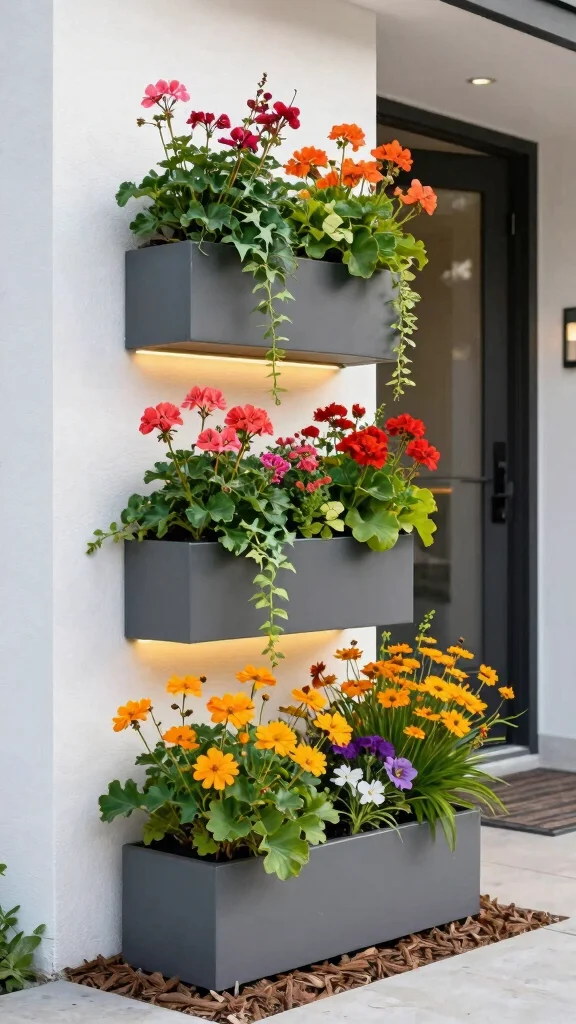
If garden space is limited, a vertical flower bed can be a fantastic solution. This creative approach utilizes wall planters or tiered structures to grow flowers upward, maximizing your floral display without taking up precious ground space. Consider planting trailing perennials like ivy geraniums or compact blooms such as coreopsis for added depth and texture.
Vertical gardens not only optimize space but also create a striking visual impact right at your doorstep. They can transform a small area into a vibrant focal point.
Benefits of Vertical Gardening:
– Ideal for compact spaces or urban environments.
– Introduces unique vertical interest that draws the eye upward.
– Simplifies maintenance and watering access.
Incorporating a vertical garden into your entrance landscape creates a modern, stylish vibe while showcasing a variety of beautiful blooms.
Top Varieties for Different Conditions
When planning your front door flower bed landscaping, the right plant selection makes all the difference. Here are some specific recommendations tailored to various conditions to help you create a welcoming entrance.
1. Lavender (Lavandula angustifolia)
– Best conditions: Full sun and well-drained soil, thriving in temperate climates.
– Key features: Lavender is not only fragrant but also attracts pollinators. Its silvery leaves and purple blooms add charm and color to any entrance.
– Considerations: It can be drought-tolerant but may need protection from extreme winter conditions.
2. Daylily (Hemerocallis)
– Best conditions: Adaptable to a range of climates, particularly in areas with good drainage and full sun.
– Key features: Daylilies bloom profusely and come in a variety of colors. They are low-maintenance and resistant to pests.
– Considerations: While they thrive in many settings, they can spread quickly and may need dividing every few years.
3. Coneflower (Echinacea)
– Best conditions: Prefers well-drained soil and can handle drought, making it ideal for hot and dry areas.
– Key features: Coneflowers attract bees and butterflies with their bright, daisy-like flowers. They bloom from summer into fall, providing long-lasting beauty.
– Considerations: While they thrive in full sun, they can struggle in overly wet soils.
4. Hostas
– Best conditions: Ideal for shaded areas, thriving in cooler, humid environments.
– Key features: Hostas come in various leaf shapes and colors, adding texture and interest to shady spots. Their flowers can bloom in summer, providing additional visual appeal.
– Considerations: Hostas can be susceptible to slugs, so keep an eye on them in moist areas.
5. Sedum (Sedum spp.)
– Best conditions: Thrives in hot, dry conditions with poor soil, perfect for low-maintenance gardens.
– Key features: Sedums are hardy succulents that offer unique foliage and stunning fall colors when they bloom.
– Considerations: They can become leggy if they don’t get enough sun, so ensure they are placed in bright spots.
6. Black-eyed Susan (Rudbeckia hirta)
– Best conditions: Grows well in full sun and tolerates drought, making it suitable for various climates.
– Key features: These cheerful yellow flowers bloom from summer to fall. They are easy to grow and attract butterflies, enhancing your front yard’s curb appeal.
– Considerations: They may require some staking in windy areas to keep their stems upright.
7. Creeping Thyme (Thymus serpyllum)
– Best conditions: Prefers full sun and dry soil, making it excellent for rock gardens or paths.
– Key features: This low-growing perennial creates a lush carpet of green and produces tiny purple flowers, perfect for adding color and fragrance.
– Considerations: It may not survive in overly wet or shaded areas, so consider its placement carefully.
Climate/Condition Guide:
– Temperate regions: Focus on adaptable plants like daylilies and coneflowers that can withstand varying temperatures.
– Coastal areas: Choose salt-tolerant varieties such as lavender and creeping thyme for resilience against breezy, salty air.
– Hot and dry climates: Look for drought-resistant options like sedum and black-eyed Susan to maintain a colorful display without excessive watering.
– Humid zones: Hostas work well in shady spots, thriving in moisture-rich environments while providing lush foliage.
When selecting your plants, consider your specific conditions and the level of maintenance you are willing to commit to. Always group plants with similar water and sunlight needs for the best results.
Growing Tips:
– Water new plants deeply but less frequently to encourage strong root systems.
– Use mulch to retain moisture and suppress weeds, making maintenance easier.
Avoid:
– Overwatering; it can lead to root rot, especially for drought-tolerant plants.
– Planting too closely; giving each plant adequate space allows for air circulation and growth.
Vertical Gardens
Editor’s Choice

ShopLaLa Wall Planter – 2 Pack, Wooden Hanging Large Planters for Indoor…

5000+ Perennial Cascade Mixture Lobelia Seeds for Planting Outdoors-Lobe…

Tiered Plant Stand Indoor, Tall 6 Tier 7 Potted Wooden Plant Shelf for M…
5. Edible Flower Garden

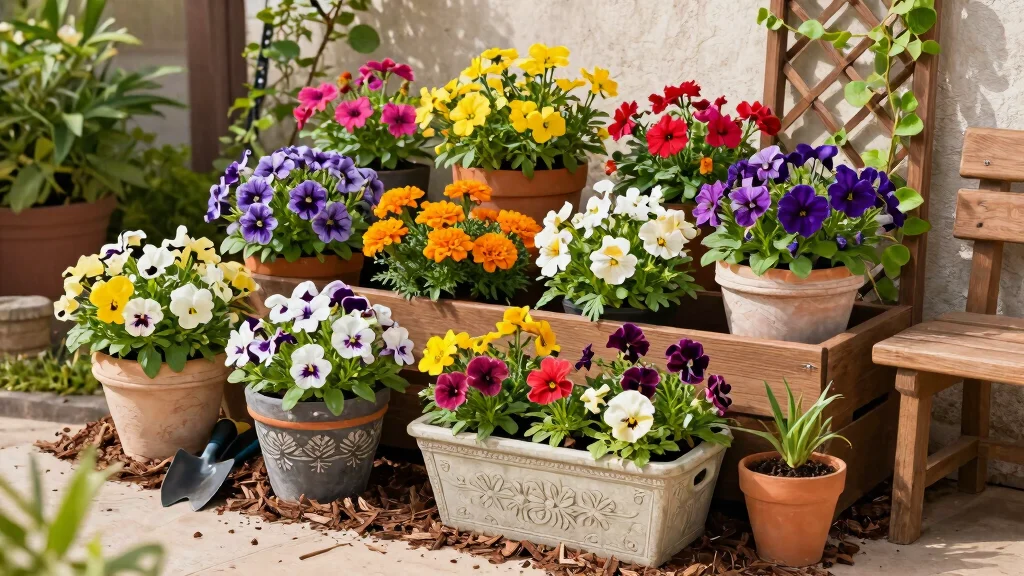
Why not brighten your entrance with flowers that are both gorgeous and edible? An edible flower garden offers a delightful blend of beauty and practicality. Choose perennial favorites like nasturtiums, pansies, and chives that not only add color but can also spice up your culinary dishes.
Plant these vibrant blooms in an organized layout that enhances your front door, adding fragrant herbs as charming fillers. This way, your flower bed becomes an eye-catching spectacle and a source of fresh ingredients for your kitchen.
Advantages of an Edible Flower Garden:
– Combines aesthetic appeal with functional use.
– Attracts helpful pollinators such as bees and butterflies.
– Inspires creativity in your cooking.
This unique approach will enhance your curb appeal and impress guests who appreciate the thoughtfulness behind your edible display.
An edible flower garden by your front door blends beauty with practicality—perennials like nasturtiums, pansies, and chives keep color year after year while spicing up meals. Plan a tidy layout with fragrant herbs as accents, and your front door flower bed landscaping becomes a welcoming, living appetizer.
You might also like

Edible Flower Garden
Editor’s Choice
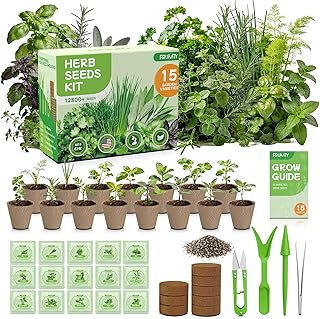
Herb Garden Starter Kit – Fruivity 12800+ 15 in 1 Herb Heirloom Seed K…

Seed Needs Nasturtium Seeds Jewel Mix Multicolored Edible Flowers | 1.5 …
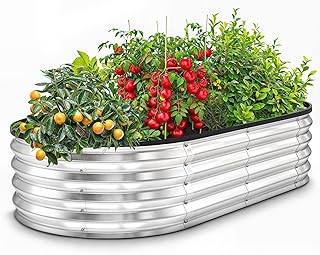
Utopia Home Galvanized Raised Garden Bed Kit 4x2x1ft, Planter Box Raised…
6. Seasonal Rotations
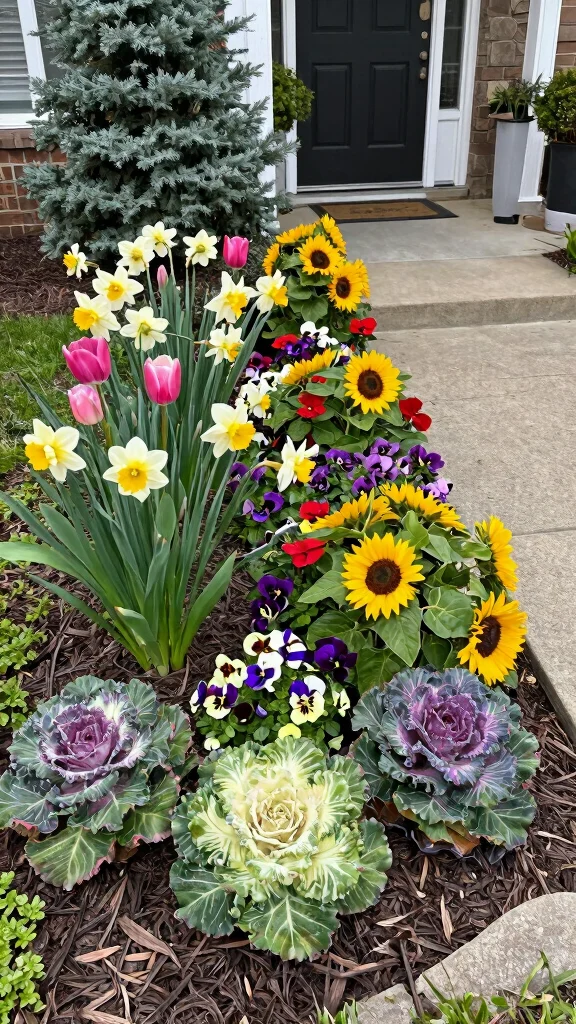
Keeping your flower bed fresh and lively year-round can be achieved through seasonal rotations. By mixing perennials with seasonal annuals, you maintain visual interest as the seasons transition. Spring can burst with tulips and daffodils, while summer brings vibrant sunflowers and zinnias.
For fall, consider ornamental cabbages and pansies, and in winter, evergreen varieties can provide structure and beauty. This strategy ensures your garden remains dynamic and engaging throughout the year.
Seasonal Rotation Tips:
– Time your annuals to bloom right after perennials fade.
– Use mulch to protect your flower beds in seasonal shifts.
– Create a planting calendar to optimize your efforts.
This method keeps your flower bed vibrant and inviting, ensuring your entrance looks stunning no matter the season.
Seasonal Rotations
Editor’s Choice
KVR Upgraded Garden Kneeler and Seat with Thicken & Widen Soft Kneeling …
COOLJOB 2 Pairs Gardening Gloves for Women Ladies, Breathable Rubber Coa…
Grenebo Gardening Tools 9-Piece Heavy Duty Garden Hand Tools with Fashio…
7. Desert-Inspired Xeriscaping
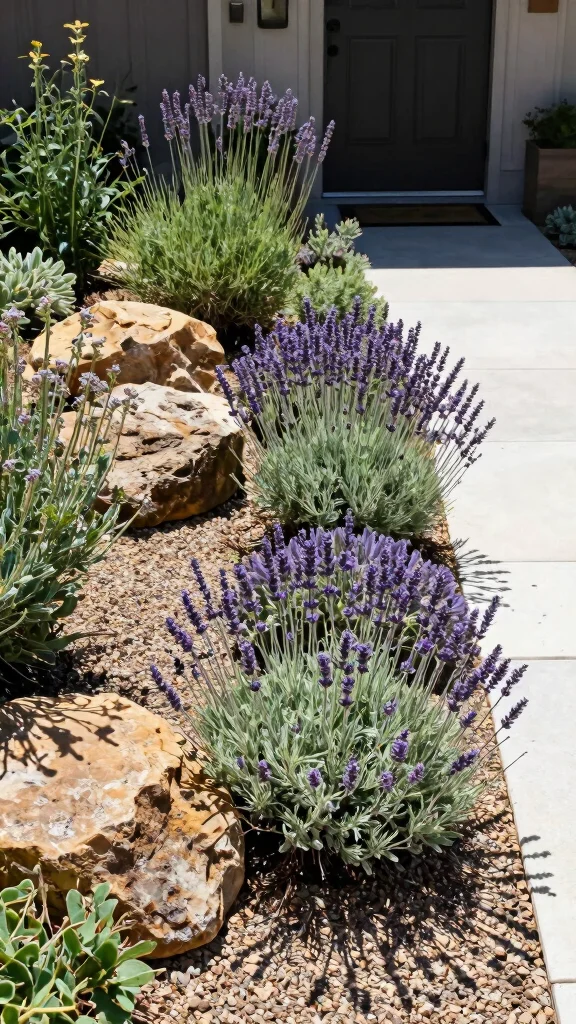
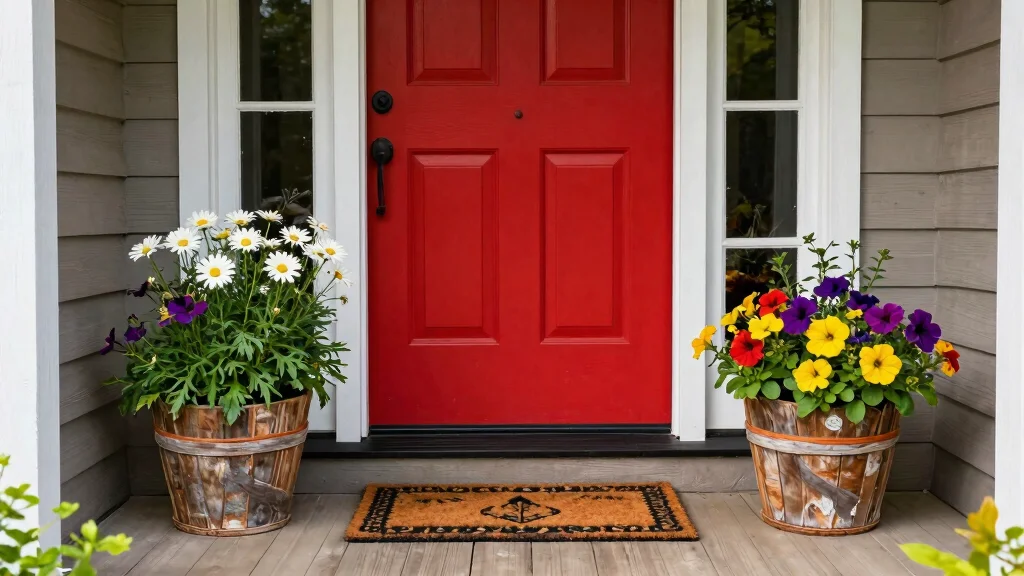
For those living in arid climates, a desert-inspired xeriscape flower bed is a smart choice. This style conserves water and minimizes maintenance while still creating an inviting entrance. Focus on drought-resistant perennials like lavender, sedum, and agave to craft stunning arrangements that flourish in sunny conditions.
Incorporating decorative rocks and gravel not only enhances the visual appeal but also improves drainage—making it a sustainable option.
Features of Xeriscaping:
– Prioritize native plants that thrive with minimal water.
– Use decorative stones to enhance the landscape’s charm.
– Group plants with similar water needs for efficient care.
This approach guarantees a vibrant flower bed with little effort, ensuring your entrance remains effortlessly beautiful while honoring the natural environment.
Desert-Inspired Xeriscaping
Editor’s Choice

10 Agave Americana Seeds for Planting – Century Plant Succulent Seeds

Arqlite Smart Gravel | Eco-Friendly Plant Drainage for Healthy Roots | P…

XLUX Long Probe Deep Use Soil Moisture Meter, Water Monitor Indicator Se…
8. Native Plants for Eco-Friendly Landscaping
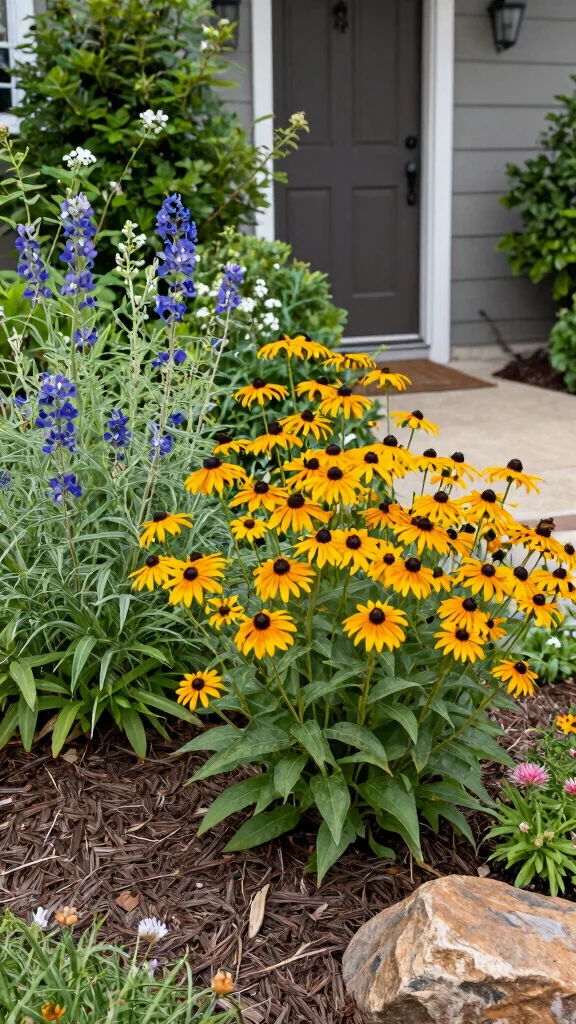
Incorporating native plants into your garden design is a great way to enhance beauty while benefiting the environment. Native perennials adapt well to local climates and require less water, making them an excellent choice. Think of colorful coneflowers, black-eyed Susans, and wild indigo filling your flower bed with vibrant life.
This environmentally friendly choice also supports local wildlife, creating a sanctuary for pollinators and birds right at your home.
Benefits of Native Plant Landscaping:
– Lowers water consumption and maintenance efforts.
– Draws in local wildlife and encourages biodiversity.
– Crafts a unique landscape that reflects your surroundings.
Designing your entrance with native plants creates a lush, welcoming atmosphere while promoting sustainability—truly a win-win for you and nature!
You Might Also Like

Native Plants for Eco-Friendly Landscaping
Editor’s Choice
Back to the Roots 100% Organic Mulch, 58 Quart, Expanding Coconut Husk B…

Wildflower Seeds Bulk Mix – 10,000+ Perennial & Annual Seeds – Texas, Ca…
9. Textured Layers for Depth
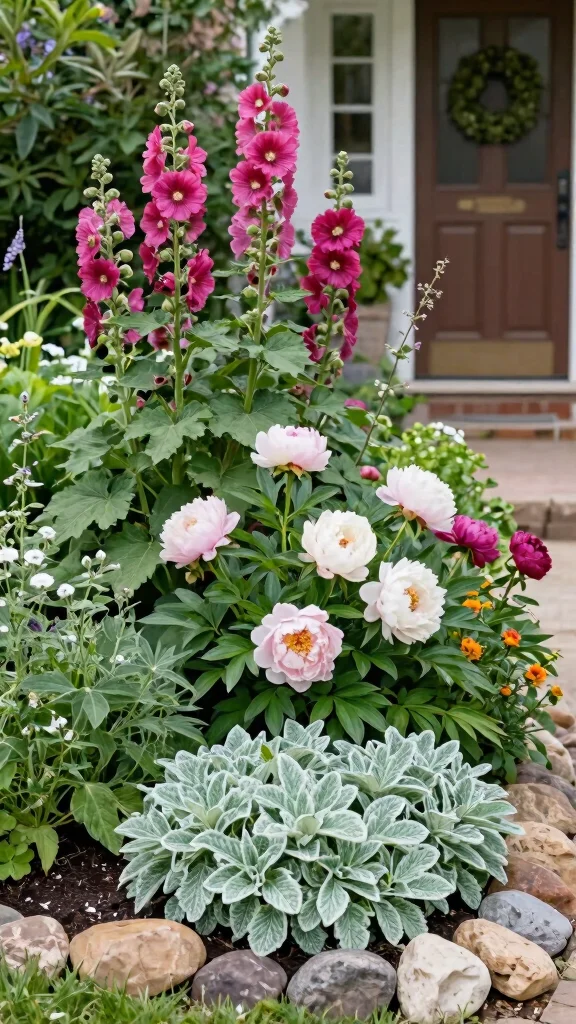
Creating depth in your flower bed enhances visual interest and invites exploration. Layer your plantings by placing taller perennials like hollyhocks at the back, mid-height blooms like peonies in the center, and low-growing ground covers at the front. This thoughtful layering creates a captivating look that draws the eye.
You can also experiment with various foliage colors and textures, such as the soft gray leaves of lamb’s ear paired with the rich green of hostas.
Tips for Layering Your Flower Bed:
– Mix plants of different heights and foliage for contrast.
– Use mulch or decorative stones to define layers clearly.
– Add vertical elements like trellises to enhance the layered effect.
By focusing on textured layers, your flower bed will create an enchanting entrance that welcomes visitors and elevates your home’s overall appeal.
Textured Layers for Depth
Editor’s Choice

Fiskars Trowel, Heavy Duty Gardening Hand Tool with Hang Hole, For Diggi…

Essential Guide to Perennial Gardening: Techniques and Know-How for Plan…

Farmer’s Secret Soil Revitalizer (32oz) – Organic (OMRI Listed) Dirt H…
Conclusion
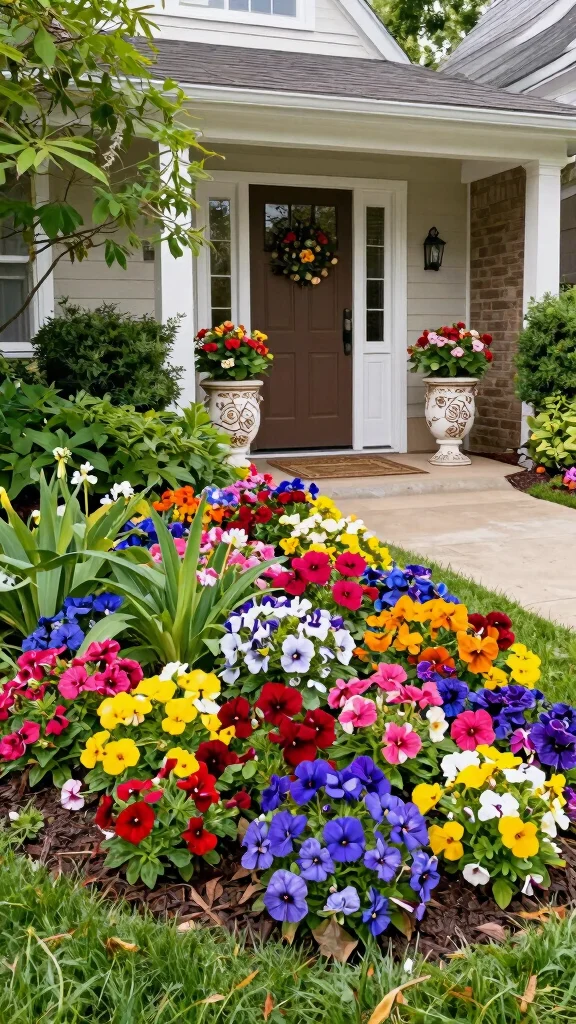
There you have it—nine stunning ideas for front door flower bed landscaping that can transform your entrance into a beautiful and inviting space. Whether you choose a classic cottage garden or a modern minimalist design, each option has its unique charm and benefits.
Experiment with combinations, colors, and textures to find the perfect fit for your home. Embrace the beauty of nature and let your creativity shine through your flower bed designs. Happy gardening!
Note: We aim to provide accurate product links, but some may occasionally expire or become unavailable. If this happens, please search directly on Amazon for the product or a suitable alternative.
This post contains Amazon affiliate links, meaning we may earn a small commission if you purchase through our links, at no extra cost to you.
Frequently Asked Questions
What are the best low-maintenance perennials for front door flower bed landscaping?
For a welcoming entrance with minimal work, try durable sun-loving perennials such as sedum, daylilies, echinacea (coneflower), coreopsis, salvia, and gaillardia (blanket flower). They thrive in full sun, require little pruning, and look great year after year. Combine a few taller varieties at the back with shorter groundcovers like creeping thyme to suppress weeds and keep the bed neat.
Tip: match water needs and mulch 2-3 inches to cut maintenance for front yard flowers and to keep the bed tidy in front door flower bed landscaping.
How can I design front yard flowers to boost curb appeal landscaping with minimal upkeep?
Start with a simple color palette and repeat plantings for cohesion. Create a clear focal point near the front door and keep sightlines from the curb in mind. Use 2-3 colors, choose low-maintenance perennials, and layer plants in back, middle, and front. Install drip irrigation or soaker hoses and cover soil with mulch 2-3 inches to reduce watering and weeds. For a decorative entrance landscaping effect, add a container near the door that echoes bed colors.
Consistency in textures and shapes makes the whole front door flower bed landscaping feel intentional and easy to maintain.
Which seasonal flower arrangements work best for decorative entrance landscaping around the front door?
Aim for year round appeal by mixing seasonal flowers with evergreen structure. Spring brings bulbs like tulips and daffodils, plus early perennials. Summer shines with daylilies, lavender, and salvia. In autumn, consider asters, rudbeckia, and ornamental grasses. Winter can be softened with evergreen textures and berries. Use containers to rotate seasonal arrangements that echo the bed design and keep decorative entrance landscaping vibrant.
Seasonal planning helps your front door flower bed landscaping stay inviting across all three seasons.
How do I choose colors and textures to complement a home’s exterior in front door flower bed landscaping?
Think about your home’s siding and roof: choose colors that either harmonize or provide contrast. Use a backbone of evergreens for year round texture, then add seasonal blooms for pops of color. Repeat colors and plant materials along pathways to boost curb appeal landscaping, and mix textures from soft grasses to bold bloom forms to create depth. Keep edges neat for a polished look that matches your front yard flowers palette.
A cohesive color and texture plan makes front door flower bed landscaping feel intentional and welcoming.
What maintenance tips help keep a front door flower bed landscaping looking great through the year?
Develop a simple routine: water deeply in the morning, mulch 2-3 inches, and deadhead spent blooms to encourage continued flowering. Divide crowded perennials every 3-4 years to maintain vigor. Apply compost in spring and clean up fallen leaves in fall. Use drip irrigation to save water and keep weeds in check with a thick mulch layer for neat flower bed designs. With these steps, your front door flower bed landscaping stays inviting with minimal effort.
Related Topics
front door flower bed
curb appeal landscaping
low-maintenance flowers
seasonal flower arrangements
perennial designs
decorative entrance
easy landscaping
beginner friendly
flower bed designs
front yard flowers
inviting entrance
garden aesthetics