
Gardening has a way of bringing us closer to nature, and lately, I’ve been craving that serenity in my own backyard. There’s something special about creating a beautiful outdoor space that reflects your personality and allows you to grow your own plants and flowers. That’s why I put together this post on wood planter box ideas that will not only enhance your garden but also add a touch of natural beauty to your urban space.
If you’re someone who’s passionate about gardening or just starting out, this blog is for you. These wood planter box designs are perfect for anyone looking to add charm and functionality to their gardening endeavors. Whether you have a spacious yard or a cozy balcony, you’ll find ideas that inspire you to make the most of your outdoor space.
In this guide, you’ll discover nine unique wood planter box ideas that are not only visually appealing but also practical. From rustic designs using reclaimed wood to colorful painted planters that brighten any corner, I’ve gathered creative options that suit various tastes and gardening needs. You’ll also find simple DIY tips and tricks that can help you kickstart your gardening journey.
Key Takeaways
– Explore nine distinct wood planter box ideas that cater to different gardening styles and preferences.
– Learn about rustic charm using reclaimed wood, ideal for those who appreciate vintage aesthetics.
– Discover vertical planter boxes, making the best use of limited space for urban gardening.
– Get inspired by colorful painted planters that can add personality and cheer to any garden.
– Find practical DIY tips for beginners, making gardening accessible and enjoyable for everyone.
1. Rustic Charm with Reclaimed Wood

Reclaimed wood adds a special touch of rustic charm to your garden space. Sourced from old barns or pallets, these planters not only enhance aesthetics but also promote sustainability. Each piece has its own history, making your garden feel unique and inviting. You can easily customize the sizes and shapes to fit any area, whether it’s a cozy balcony or a spacious backyard, allowing the natural beauty of the wood to shine through.
Start by choosing wood that complements your existing garden style. Emphasize the wood’s natural grains and textures to create a warm, inviting atmosphere. You could also consider adding a fresh coat of non-toxic sealant to protect your planters from the elements.
Key steps to create your reclaimed wood planter:
– Select wood with interesting textures and colors
– Sand edges to ensure safety and smoothness
– Choose plants that thrive in your local climate
Using reclaimed wood for your planters enriches your garden’s character while being eco-friendly!
📹 Related Video: Reclaimed Wood Planter Box – Eski Görünümlü Saksı
Rustic Charm with Reclaimed Wood
Editor’s Choice

Rakukiri Raised Garden Bed Outdoor, GRS Certified Recycled Metal Planter…

2. Vertical Planter Boxes for Small Spaces
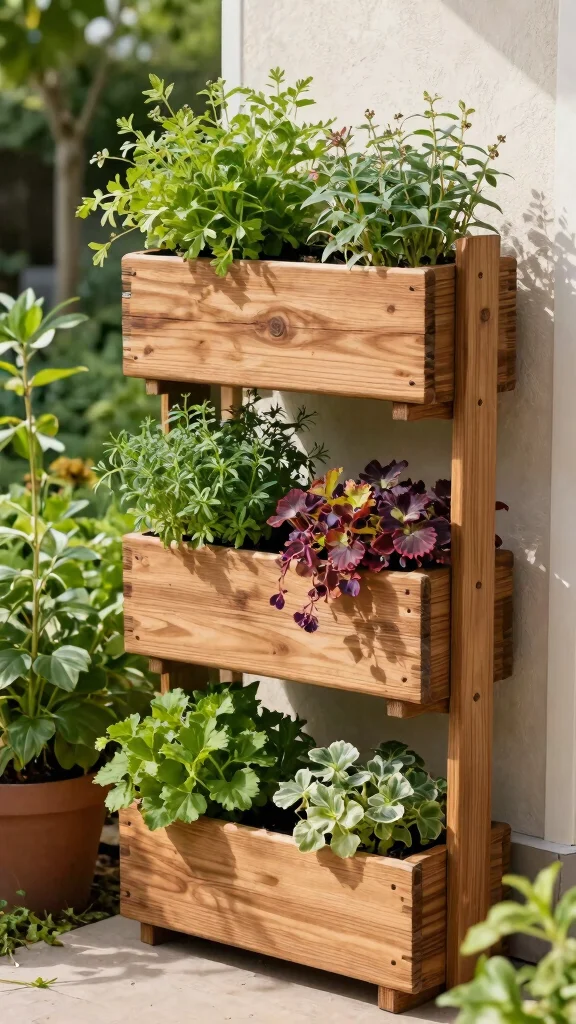
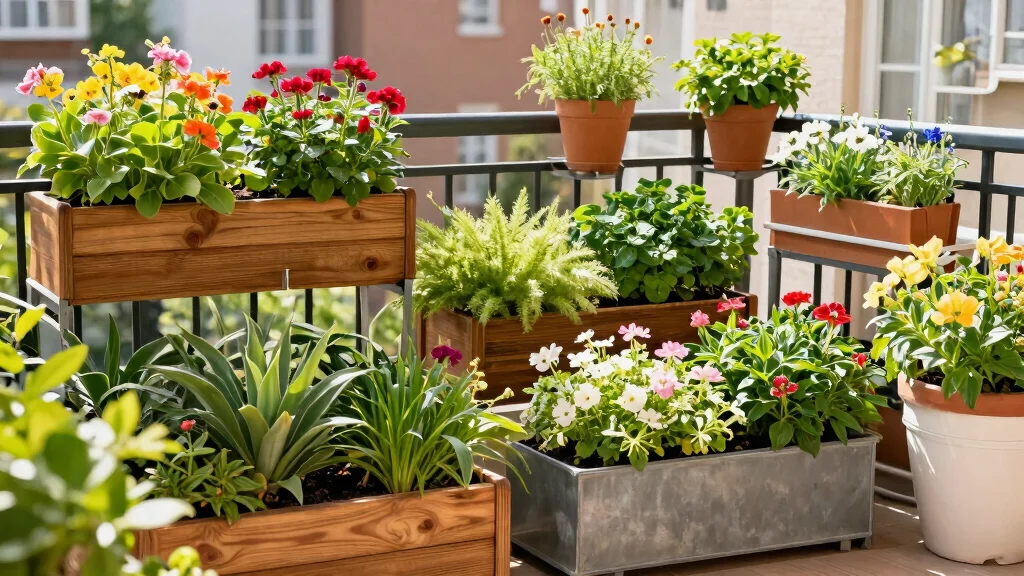
Vertical planter boxes offer an innovative solution for maximizing limited garden space. By stacking planters vertically, you can utilize every inch of your environment, turning small areas into lush green spaces. This clever design not only increases your planting capacity but also adds a striking visual element to your garden.
To get started, ensure your vertical planters have proper drainage and consider using different materials for an appealing aesthetic. These planters can house everything from herbs to vibrant flowers, allowing you to experiment with various plant choices.
Steps to maximize your vertical gardening:
– Choose sturdy wood for durability and stability
– Select trailing plants that create a cascading effect
– Position your planter in a sunny spot for optimal growth
Vertical planter boxes elevate your gardening experience while adding charm and functionality to any small space!
Vertical Planter Boxes for Small Spaces
Editor’s Choice

NUPTIO Wooden Box Centerpiece for Table: 2 Pcs 11.8″ Long Wood Rectangle…

Keter Urban Bloomer 12.7 Gallon Raised Garden Bed and Outdoor Herb Garde…

Raised Garden Beds with 6 Garden Planter Boxes Indoor Outdoor Vertical R…
3. Modern Minimalism with Sleek Lines
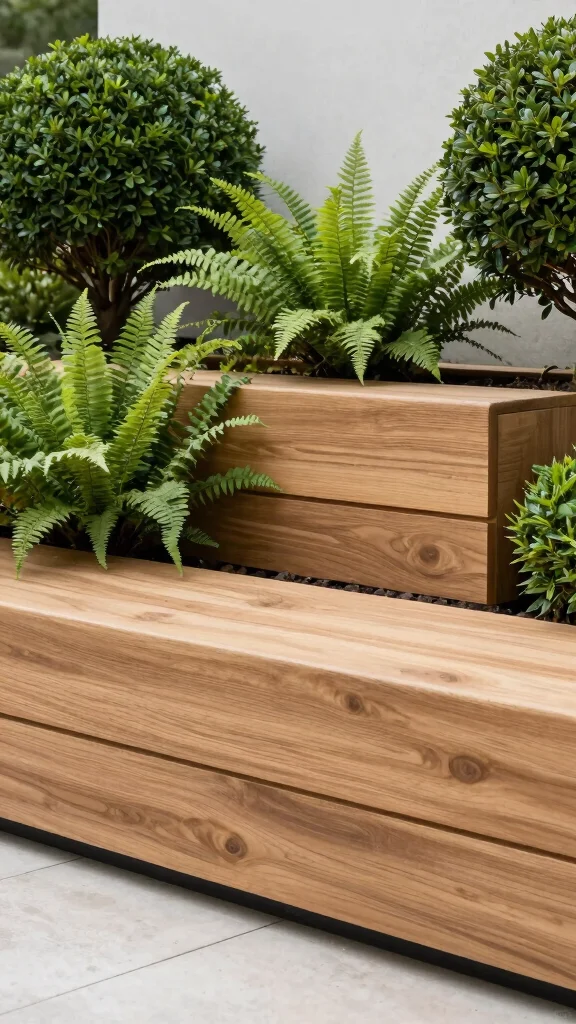
If you lean towards modern design, sleek-lined wooden planter boxes can elevate your garden’s style. Their minimalistic approach with straight lines and natural wood finishes works beautifully in both contemporary and classic settings. These planters prioritize both functionality and aesthetic appeal, making them a perfect choice for urban gardeners.
You can personalize these planters by painting or staining the wood to match your outdoor decor. Consider incorporating geometric shapes or varying heights for added visual intrigue.
Tips for stylish modern planters:
– Select geometric shapes to enhance interest
– Choose low-maintenance plants for a tidy appearance
– Cluster planters for a striking visual impact
Modern minimalist planter boxes transform your garden into an elegant retreat, showcasing your sense of style effortlessly!
Modern Minimalism with Sleek Lines
Editor’s Choice

Thompson’s WaterSeal Multi-Surface Waterproofer Stain, Clear, 1 Gallon

PSW Pot Collection M25DC 10-inch Plastic/Stone/Wood Composite Low Bowl P…
4. Whimsical Designs for Playful Touch
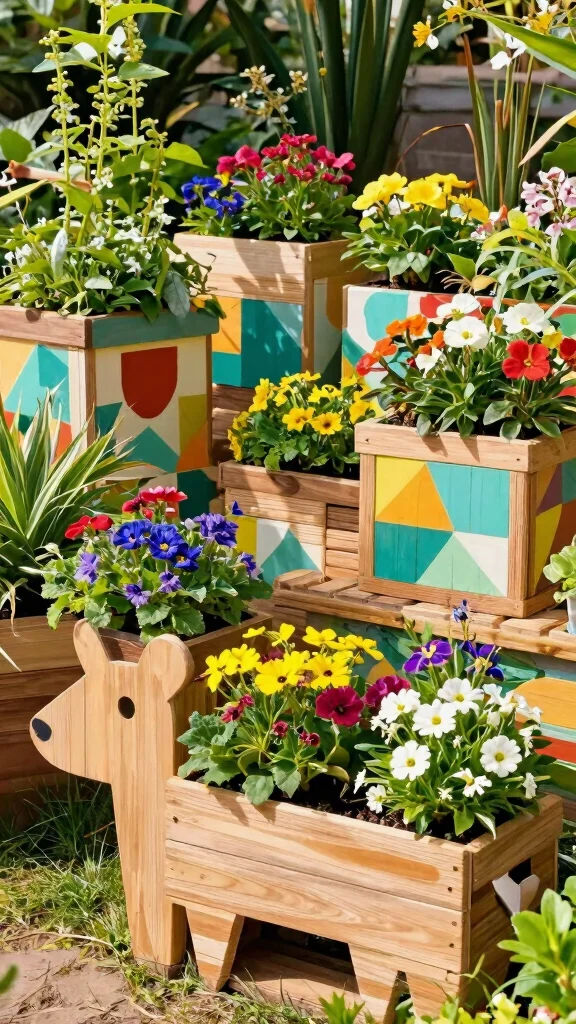
Whimsical planter boxes infuse a playful spirit into your gardening experience. These creatively designed planters can take on fun shapes like animals or fairy-tale figures, making gardening a delightful adventure for both kids and adults. They spark imagination and add character to your garden space, perfect for family-friendly environments.
To create your whimsical planters, consider using treated wood and bright paints to capture attention. These charming designs can also promote diversity in planting, encouraging kids to engage with nature.
Ways to enhance your whimsical garden:
– Use plywood to craft playful shapes
– Incorporate colorful flowers or edible plants
– Place planters in high-visibility areas to invite curiosity
With whimsical planter boxes, your garden becomes a magical space that delights everyone who visits!
Whimsical Designs for Playful Touch
Editor’s Choice

Furinno 2-FG16450 Tioman Hardwood Flower Box, Two-Pack, Natural
Classic Home and Garden Cement Buddies Animal Planter – Cute Desk Decora…

Nicpro 32 Colors Outdoor Acrylic Paint Bulk with Brush and Sponge, Knife…
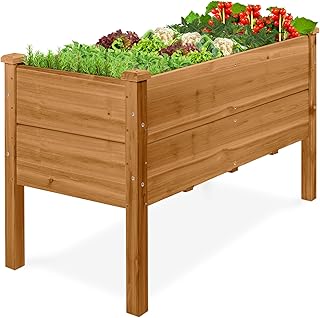
5. Raised Garden Beds for Vegetable Gardening

Raised garden beds are a popular choice for growing vegetables, providing excellent drainage and soil quality. These elevated structures make gardening easier while defining your planting area, enhancing the overall look of your garden. You can tailor the height and width of these beds to fit your specific needs, creating a dedicated space for your favorite vegetables or herbs.
When constructing your raised beds, opt for rot-resistant wood like cedar to ensure longevity. This setup can also help deter animals from munching on your plants.
Key considerations for raised garden beds:
– Choose durable wood for long-lasting use
– Plant a mix of vegetables and colorful flowers
– Organize beds in blocks for a neat garden layout
Raised garden beds not only beautify your garden but also maximize your growing potential, making gardening accessible and enjoyable!
❝Raised garden beds boost drainage and soil quality, making veggie gardening easier and neater. Tailor their height and width to fit your space, and choose rot-resistant cedar for longevity—your herbs and vegetables will thank you. Pro tip: line the bed with a weed barrier.❞
You might also like
Key Trade-offs & Our Top Pick
Option 1: Rustic Reclaimed Wood Planter Boxes
– Pros:
– Eco-friendly, as they reuse old wood
– Unique textures and colors enhance garden aesthetics
– Cons:
– May require more maintenance to prevent rot
– Limited availability of specific wood types
– Best for: Gardeners who appreciate vintage charm and sustainability.
Option 2: Vertical Planter Boxes
– Pros:
– Ideal for small spaces, maximizing vertical space
– Allows for a variety of plants in a compact area
– Cons:
– Limited root space for larger plants
– Requires consistent watering to keep plants healthy
– Best for: Urban dwellers or those with limited outdoor space.
Option 3: Modern Minimalist Planter Boxes
– Pros:
– Sleek design that complements contemporary home decor
– Often made from durable materials that resist weather
– Cons:
– Can be more expensive than traditional designs
– May lack the rustic appeal some gardeners prefer
– Best for: Homeowners looking for stylish, contemporary outdoor gardening decor.
Option 4: Multi-Functional Planter Boxes
– Pros:
– Serve dual purposes, such as seating or storage
– Versatile use in different areas like patios and balconies
– Cons:
– May require more complex assembly
– Can be bulkier, taking up more space
– Best for: Gardeners wanting to maximize utility and efficiency in urban settings.
Option 5: Colorful Painted Wooden Planters
– Pros:
– Adds a pop of color, brightening any garden space
– Easy to customize with your favorite colors or patterns
– Cons:
– Paint can chip and require touch-ups
– May not be suitable for all plant types due to paint toxicity
– Best for: Gardeners looking to express creativity and personality in their outdoor spaces.
Expert Recommendation:
Best Overall: Rustic Reclaimed Wood Planter Boxes
This option stands out because it combines sustainability with unique style. Reclaimed wood provides character and charm while giving a second life to materials that would otherwise go to waste. Plus, they are versatile enough for various gardening needs, whether you’re growing flowers or herbs. If you’re looking for value for money, rustic reclaimed wood planter boxes offer a strong combination of durability and aesthetic appeal that most gardeners will appreciate.
Why We Picked This:
While rustic reclaimed wood is the best overall choice, it’s essential to consider that some gardeners may prefer minimalist designs for a sleek look or colorful planters to express creativity. For those with limited space, vertical planters are perfect, while multi-functional boxes cater to those seeking practicality. Each option has its unique benefits, so choose one that aligns with your gardening goals and personal style.
Raised Garden Beds for Vegetable Gardening
Editor’s Choice
![Landscape Edging 33FT,Garden Edging Borders [Extra Tall 4IN High] Flexib...](https://m.media-amazon.com/images/I/61g6PosFAJL._AC_UL320_.jpg)
Landscape Edging 33FT,Garden Edging Borders [Extra Tall 4IN High] Flexib…

Espoma Organic Raised Bed Mix – All Natural and Organic Potting Soil Mix…
Best Choice Products 48″ x 24″ x 30″ Raised Garden Bed with Extra Deep 1…
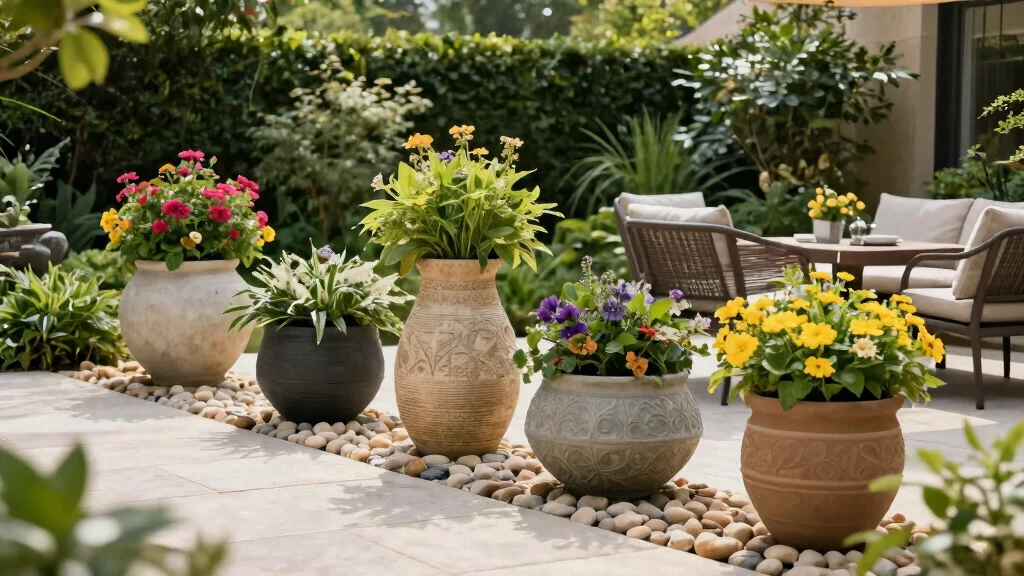
6. Decorative Wooden Planters for Aesthetic Appeal

Decorative wooden planters combine functionality with artistic flair. Featuring intricate carvings or unique shapes, these planters can enhance your garden’s personality while beautifully displaying your plants. Choosing designs that complement your outdoor space adds a touch of elegance and style.
Incorporating decorative elements can elevate the overall aesthetic of your garden. Consider the arrangement and height of your planters to create dynamic visual interest.
Tips for using decorative planters:
– Mix and match different styles for a vibrant look
– Use trailing plants to accentuate unique designs
– Position planters in focal points to attract attention
With decorative wooden planters, you can craft an engaging centerpiece that reflects your unique gardening style!
Decorative Wooden Planters for Aesthetic Appeal
Editor’s Choice

Lattice Design Outdoor Planter Box – 14.75” Square 13” Tall Black Pl…
7. Simple DIY Planter Boxes for Beginners
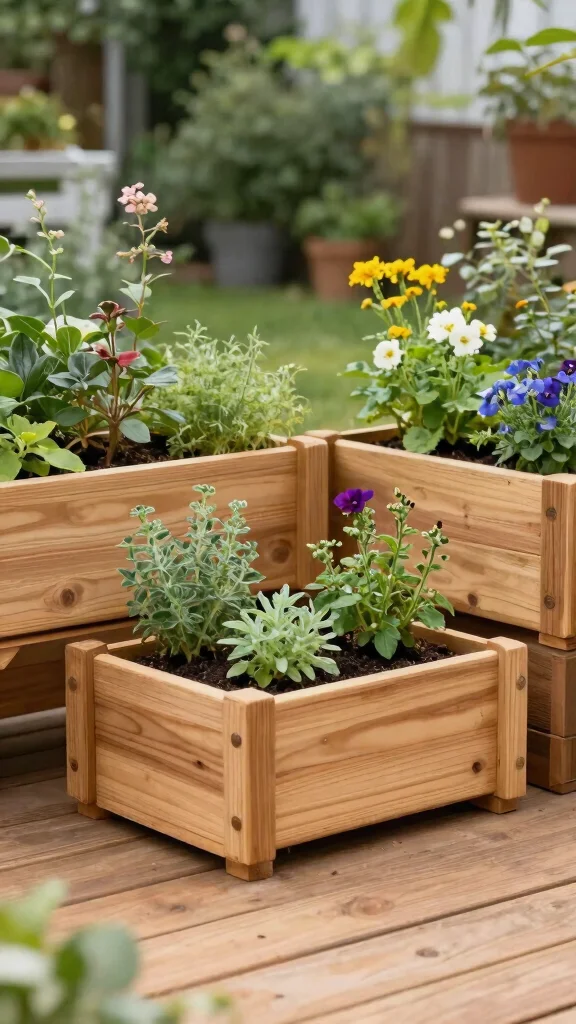
Creating wooden planters DIY is a rewarding experience for novices! Simple designs provide a great starting point for exploring your creativity without overwhelming complexity. Begin with basic shapes using untreated wood or pallets to craft your planters.
This hands-on approach allows you to personalize your creations while promoting sustainability. As you gain confidence, you can experiment with various sizes and styles tailored to your garden.
Beginner-friendly steps for DIY planters:
– Start small to build your skills
– Use a cordless drill and screws for easy assembly
– Personalize with paint or stain for a unique touch
DIY planter boxes are a fantastic way to connect with your garden while unleashing your creativity!
Starting simple with a wood planter box feels like a small victory you can see and touch. Beginner-friendly projects turn pallets into personalised planters, proving sustainability starts with the first cut. Build confidence, one cozy corner garden at a time.
Simple DIY Planter Boxes for Beginners
Editor’s Choice

Rustic Revival | Handmade Reclaimed Barnwood Craft Bundle | Unfinished A…

Wensilon #10 * 3″ Deck Screws, (137pcs) 2 lbs.Exterior Wood Screws, Rust…

Titebond III Ultimate Wood Glue, 16-Ounces #1414
8. Multi-Functional Planters for Urban Living
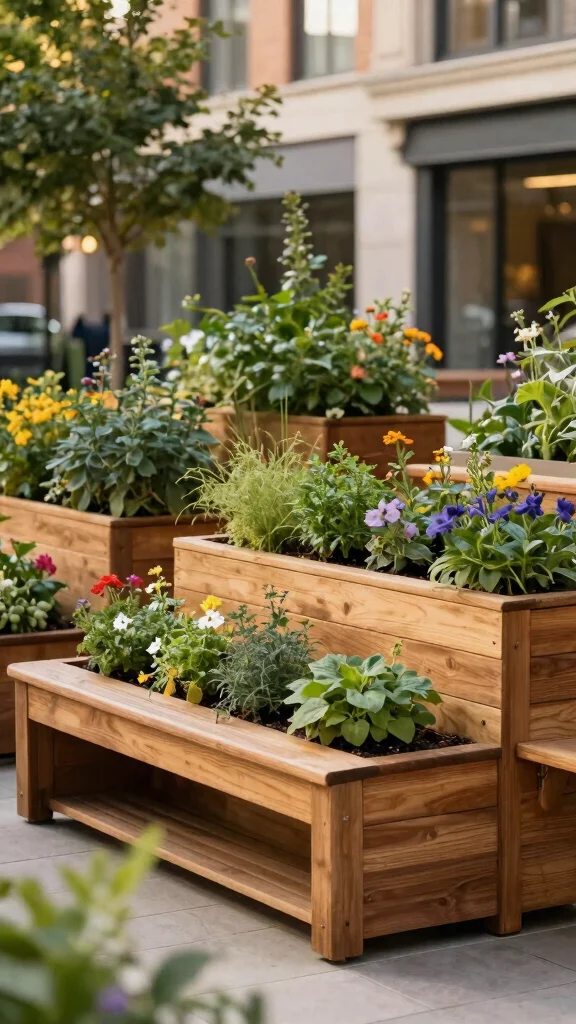
Multi-functional planter boxes cater to urban gardening needs, allowing you to make the most of limited space. These innovative designs can combine seating, storage, and planting areas, making them practical and stylish additions to your outdoor space.
Incorporating benches or tables within your planters enables you to enjoy your garden while maximizing every inch available. This is especially useful for balconies or patios where traditional garden setups may not fit.
Tips for designing multi-functional planters:
– Use durable materials for longevity
– Select compact plants that suit your space
– Match planters with your outdoor furniture for coherence
Multi-functional planter boxes enhance urban living, making gardening a pleasant and accessible experience in tight spaces!
Fun Fact: A single multi-functional planter box can combine seating, storage, and planting in as little as 2 square feet. In urban spaces, this wood planter box approach makes balconies feel bigger and insanely practical. Ready to design smarter, not bigger?
You Might Also Like

Multi-Functional Planters for Urban Living
Editor’s Choice

Furinno Tioman Hardwood Mini Outdoor Planter Box with Bench for Garden P…

Furinno FG16011 Tioman Hardwood Flower Box, Brown
12Pcs 17Inches Rectangle Planter Box with Drainage Holes and Trays Plast…
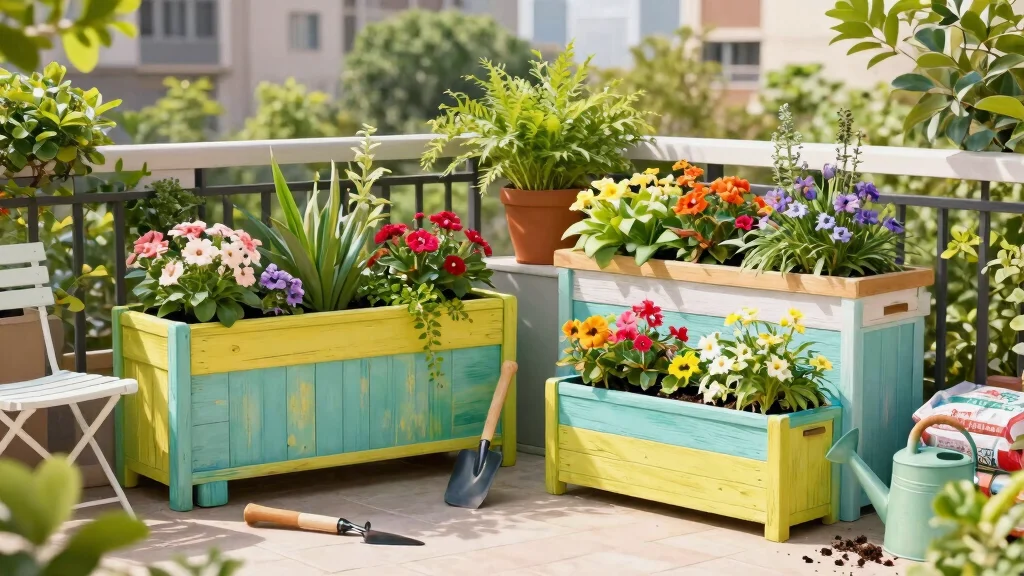
9. Colorful Painted Planters to Brighten Your Space
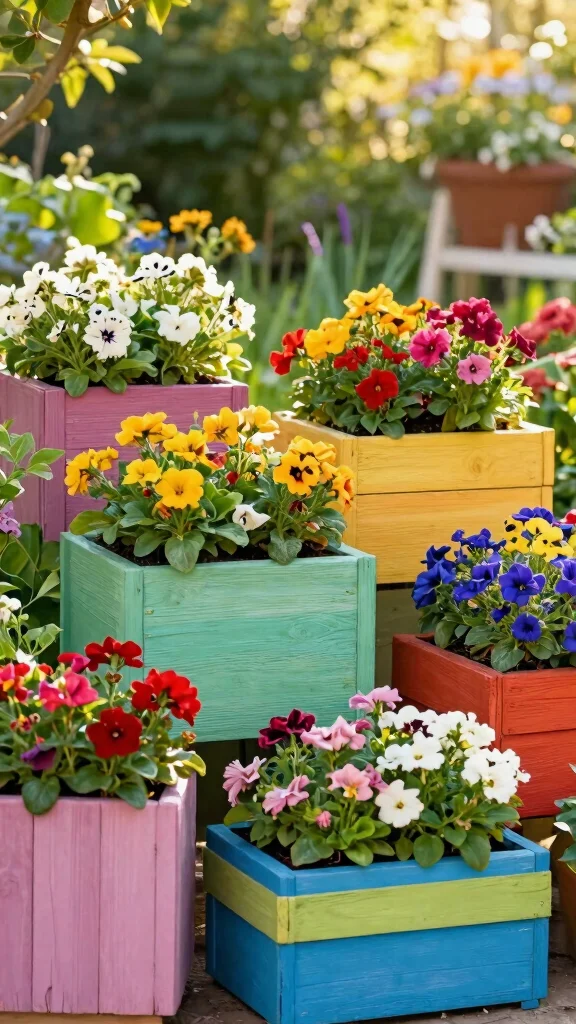
Colorful painted wooden planters are a fantastic way to introduce personality into your garden. Whether you choose vibrant shades or soft pastels, painted planters complement your garden’s natural beauty while showcasing your unique style. This approach is especially fun for families, allowing children to engage in a creative gardening project.
Incorporating color not only brightens your space but also encourages family bonding over gardening activities. Painting your planters provides a wonderful opportunity for creativity while enhancing outdoor aesthetics.
Steps for colorful planters:
– Use non-toxic paint and a clear sealant for durability
– Pair bright colors with colorful flowers for a cohesive look
– Experiment with arrangements for a lively display
Colorful painted planters are a delightful addition that can uplift your garden and make a lasting impression!
Colorful Painted Planters to Brighten Your Space
Editor’s Choice

Professional Artist Paint Brush Set of 12 – Painting Brushes Kit for Kid…

8-Pack Black Raised Garden Bed Corner Brackets, 11″x3″x3″ Metal Corner S…
Nicpro 32 Colors Outdoor Acrylic Paint Bulk with Brush and Sponge, Knife…
Conclusion
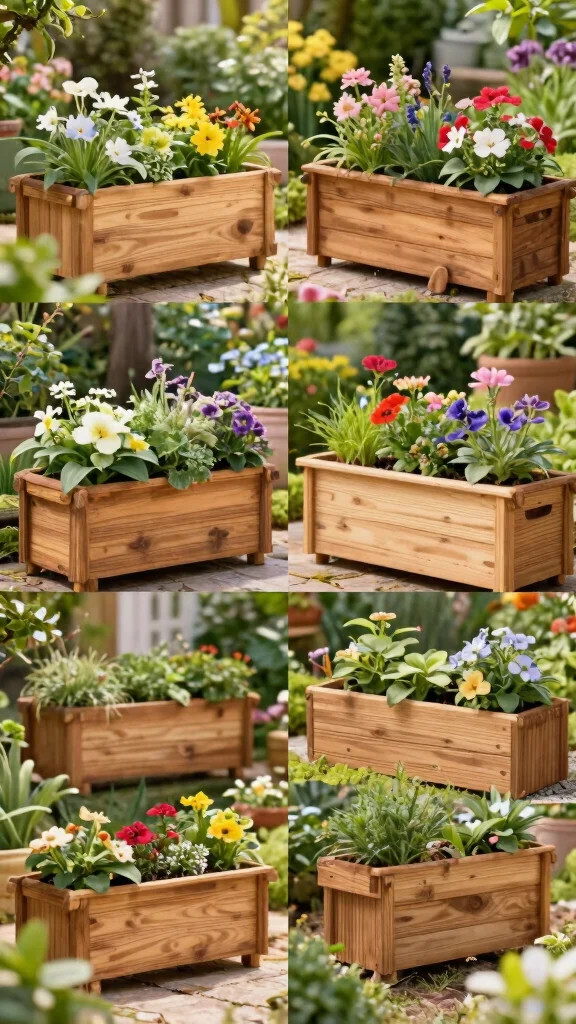
With these 9 inspiring wood planter box ideas, you can infuse your urban garden with natural beauty and creativity. From rustic designs to modern minimalist styles, the possibilities are endless!
Whether you’re a novice gardener or an experienced green thumb, these planters can elevate your outdoor space while promoting sustainability. Take a step towards transforming your garden into a vibrant, inviting sanctuary that reflects your personal style!
Note: We aim to provide accurate product links, but some may occasionally expire or become unavailable. If this happens, please search directly on Amazon for the product or a suitable alternative.
This post contains Amazon affiliate links, meaning we may earn a small commission if you purchase through our links, at no extra cost to you.
Frequently Asked Questions
What are the best sustainable woods for a wood planter box in an urban garden, and how should I choose?
Choose rot-resistant, sustainably sourced woods like cedar, redwood, or cypress, or opt for reclaimed timber for a truly eco-friendly wood planter box. Look for FSC-certified lumber and avoid traditional pressure-treated lumber near edible crops unless it’s sealed and lined with a non-toxic barrier.
If budget is tight, pine can work with a non-toxic outdoor sealant and a waterproof liner. For longevity in outdoor spaces, aim for boards 3/4 to 1 inch thick, use sturdy joinery (screws + brackets), and add a bottom drainage layer and a liner to protect the wood from soil moisture.
Finish with a water-based, food-safe sealant to keep the look while protecting the wood. This makes your wood planter box a durable piece of outdoor gardening decor that fits container gardening ideas.
Which wood planter box designs work best for small urban spaces and outdoor gardening decor?
Think vertical, modular, and compact designs. Try tiered wooden planters, window boxes, railing planters, and corner planters to maximize space in balconies or patios.
For flexibility, build boxes on a shallow base with casters or simple feet so you can rearrange as light changes. Pair natural wood with simple hardware like metal brackets for a modern look, or paint the exterior in a color that matches your outdoor decor. These planter box designs keep container gardening ideas fresh without crowding the area.
How do I build a simple wooden planter box DIY that doubles as a raised garden bed?
Start with measurements for your space and choose rot-resistant wood. Cut boards to size, and assemble with exterior-grade screws, reinforcing corners with L-brackets.
Drill drainage holes in the bottom, add a breathable liner, and place a bottom layer of gravel for drainage. Fill with a high-quality potting mix suitable for raised garden beds. Seal the exterior with a non-toxic, water-based finish. If you want extra mobility, attach a set of wheels or design a modular system. This DIY wood planter box is perfect for container gardening ideas and easy to customize.
What maintenance steps keep wooden planters lasting and safe for edible plants?
Regular maintenance makes a big difference. Clean out soil and debris each season, inspect for cracks or rot, and reseal or repaint with a non-toxic outdoor finish every couple of years.
Ensure drainage holes stay clear and use a liner to shield the wood from constant moisture. If you’re in a freezing climate, consider storing boxes indoors or covering them during winter. Use fresh potting mix and consider a drip irrigation system to avoid over-watering while keeping the planter box healthy for container gardening ideas.
How can wooden planter boxes be used for container gardening ideas to maximize yields in urban spaces?
Plan for sun exposure first: most vegetables and herbs need 6+ hours of sun, so place the wood planter box accordingly. Choose crops suited to container life—compact tomatoes, peppers, lettuce, spinach, herbs, and strawberries work great.
Use raised garden beds to improve drainage and root depth, and trellis or stackable designs to increase yield per square foot. Fill with a quality potting mix, enrich with compost, and water deeply with a drip system if possible. Rotate crops and stagger plantings to harvest continuously, turning your wood planter box into a productive centerpiece for urban container gardening ideas.
Related Topics
wood planter box
sustainable gardening
urban gardening
DIY wooden planters
raised garden beds
container gardening
outdoor decor
beginner friendly
creative designs
eco-friendly gardening
seasonal planting
easy gardening projects