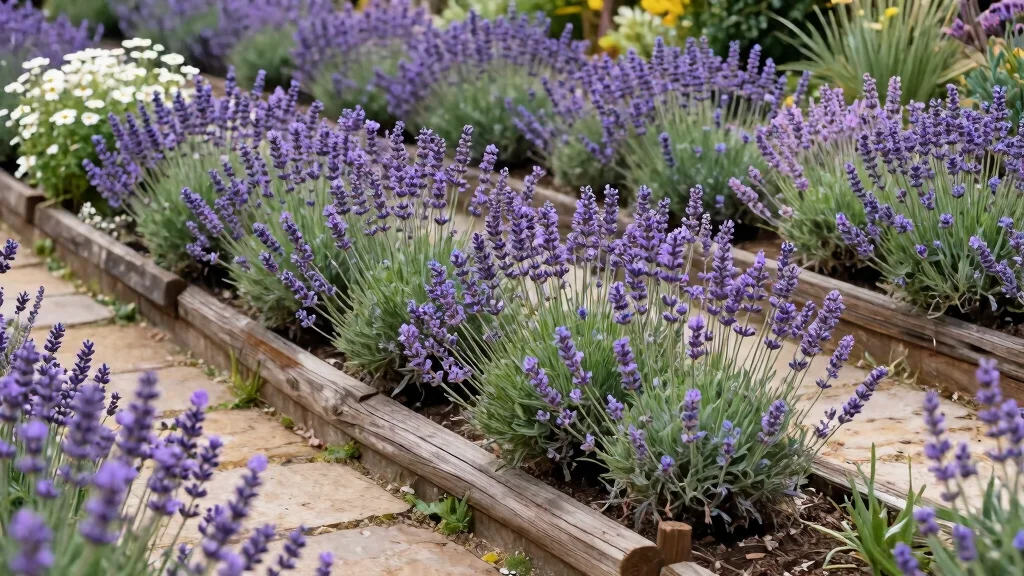
Creating a lavender flower bed is like inviting a piece of paradise into your backyard. With its sweet scent and soothing hues, lavender not only beautifies your space but also offers a myriad of aromatic benefits. I made this post because I know how overwhelming it can be to design a fragrant sanctuary that also looks stunning. Whether you’re dreaming of a cozy corner for relaxation or a lively backdrop for gatherings, these lavender flower bed ideas will inspire you to create a garden that smells as good as it looks.
If you’re a gardening enthusiast, a nature lover, or simply someone looking to elevate your outdoor space, this post is for you. You want to enjoy the beauty of vibrant flowers while embracing the calming properties of aromatherapy. In this guide, I’ve pulled together ten delightful lavender flower bed ideas that are not only easy on the eyes but also perfect for adding tranquility to your environment. You’ll discover how to incorporate lavender into your garden design, creating a fragrant retreat that enhances your outdoor living experience.
Get ready to explore a variety of creative ideas, from classic rows of lavender to charming container arrangements. Each suggestion offers practical tips and insights you can easily implement to transform your garden into a dreamy lavender paradise. Whether you’re a seasoned gardener or just starting, there’s something here for everyone.
Key Takeaways
– Discover 10 distinct lavender flower bed ideas that combine beauty and fragrance, perfect for enhancing your outdoor space.
– Explore companion planting techniques by pairing lavender with herbs for a lush and aromatic garden experience.
– Learn about raised lavender beds that add dimension and make caring for your plants easier.
– Create vibrant lavender borders to define garden areas, adding color and charm to your landscaping.
– Understand the benefits of an aromatherapy lavender retreat that can provide relaxation and peace right in your backyard.
1. Classic Lavender Rows

If you’re looking for a timeless design for your lavender flower bed, consider planting rows of lavender. This classic approach beautifully showcases their vibrant hues and delightful fragrance. You can arrange the plants in straight lines or soft curves, allowing for a gentle, flowing appearance that captures attention effortlessly.
For a more natural vibe, mix different lavender varieties, like the classic English Lavender and the elegant French Lavender. This variety not only adds visual interest but also ensures your garden remains colorful for a longer period. When planting, space the lavender about 18 to 24 inches apart to support healthy growth and air circulation.
Key benefits of this design:
– Create stunning visual lines with lavender
– Mix varieties for extended blooming
– Attract pollinators like bees and butterflies
– Pair with ground covers for added beauty
This classic row design not only enhances your garden’s appeal but also promotes a thriving ecosystem right in your backyard.
Fun fact: Lavender in neat rows makes care simpler and scent stronger—it’s easier to water evenly and spot pests fast. Try straight lines for symmetry, then mix English and French varieties for a fragrant, color-rich lavender flower bed you can maintain in minutes.
Classic Lavender Rows
Editor’s Choice

KVR Upgraded Garden Kneeler and Seat with Thicken & Widen Soft Kneeling …

Gardening Gifts for Women, Gardening Tools for Mom Grandma Wife, Garden …

COOLJOB 6 Pairs Gardening Gloves for Women Ladies, Breathable Rubber Coa…
2. Lavender and Herb Companion Beds

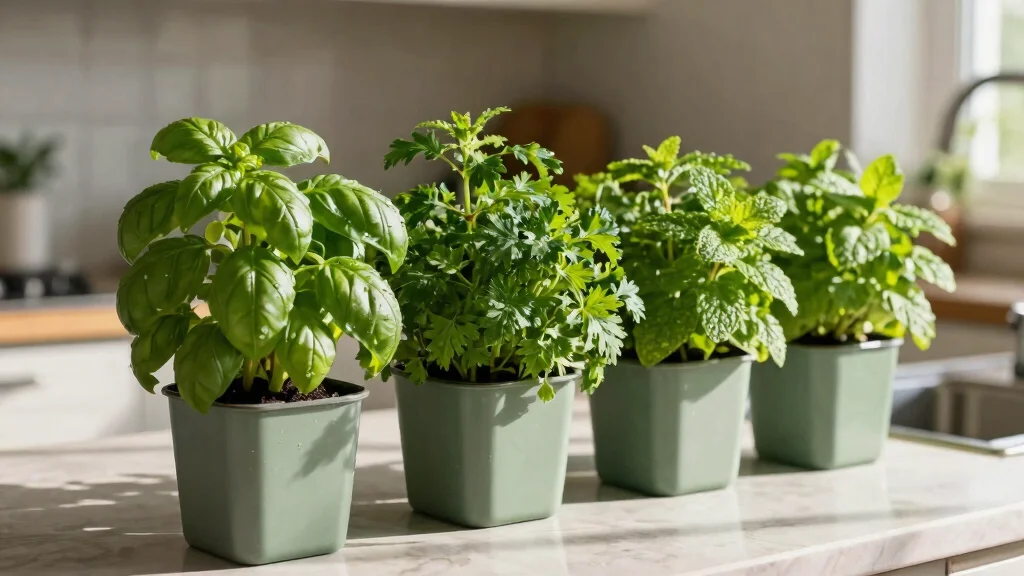
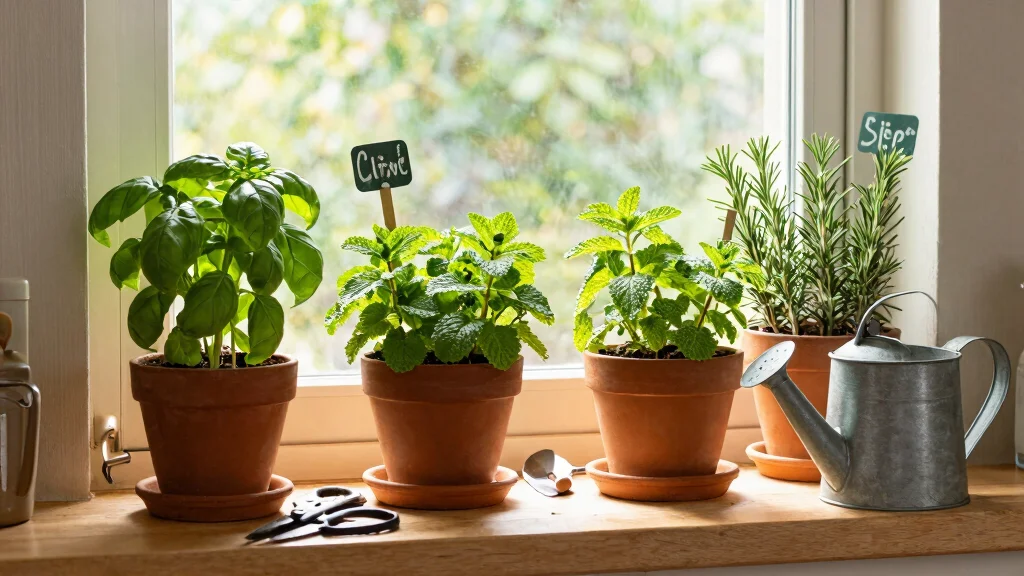
Imagine a flower bed that smells incredible and provides fresh herbs for your kitchen! Combining lavender with herbs is a practical and visually striking choice. Herbs like rosemary, thyme, and sage thrive alongside lavender, creating a fragrant and functional space.
To create this companion bed, place lavender at the center, surrounded by herbs of varying heights. Taller rosemary can stand alongside the compact lavender, while trailing thyme adds a lush touch. This layered approach enhances visual interest and makes your garden more inviting.
Tips for designing your herb bed:
– Space herbs for easy harvesting
– Choose a mix of heights for depth
– Use well-draining soil for healthy growth
– Maintain regularly for a tidy appearance
This fragrant oasis will not only provide fresh ingredients but also serve as a serene retreat for relaxation.
📹 Related Video: build an HERB GARDEN and paint a LAVENDER plant in watercolors
Lavender and Herb Companion Beds
Editor’s Choice

COOLJOB 6 Pairs Gardening Gloves for Women Ladies, Breathable Rubber Coa…

Gardening Gifts for Women, Garden Tool Set, Heavy Duty Gardening Hand To…
KVR Upgraded Garden Kneeler and Seat with Thicken & Widen Soft Kneeling …
3. Lavender Paths and Walkways

Transform your garden into a serene sanctuary with lavender-lined paths and walkways! This design elevates an ordinary pathway into a sensory experience, filling the air with delightful lavender fragrance as you stroll.
To achieve this, plant lavender on both sides of a gravel or stone path. Use varying lavender types for a gradient effect, starting with deeper purples at the entrance and transitioning to softer shades. This creates an enchanting experience for anyone who walks through your lavender oasis.
Ways to enhance your lavender paths:
– Incorporate stepping stones for rustic charm
– Add seasonal flowers for year-round color
– Create a winding path for exploration
– Use lavender to frame other garden features
Your lavender-lined walkways will not only guide visitors but also invite them to enjoy the beauty and scent of your garden throughout the seasons.
Lavender Paths and Walkways
Editor’s Choice

Live Aromatic and Edible Herb – Lavender (6 Per Pack), Natural Sleep Enh…

L+ Grosso Lavender — 1 Live Plant in 4″ Pots — Deep Violet Flowers — Fra…

L+ Munstead Lavender — 8 Live Plants in 4″ Pots — Lavender-Blue Flowers …

River Rock Stepping Stones Outdoor for Garden Walkway, 10 inch Diameter …

40 lbs Bucket of Multicolor Small Cream River Rock ½-1½ inch size, cover…
4. Raised Lavender Beds
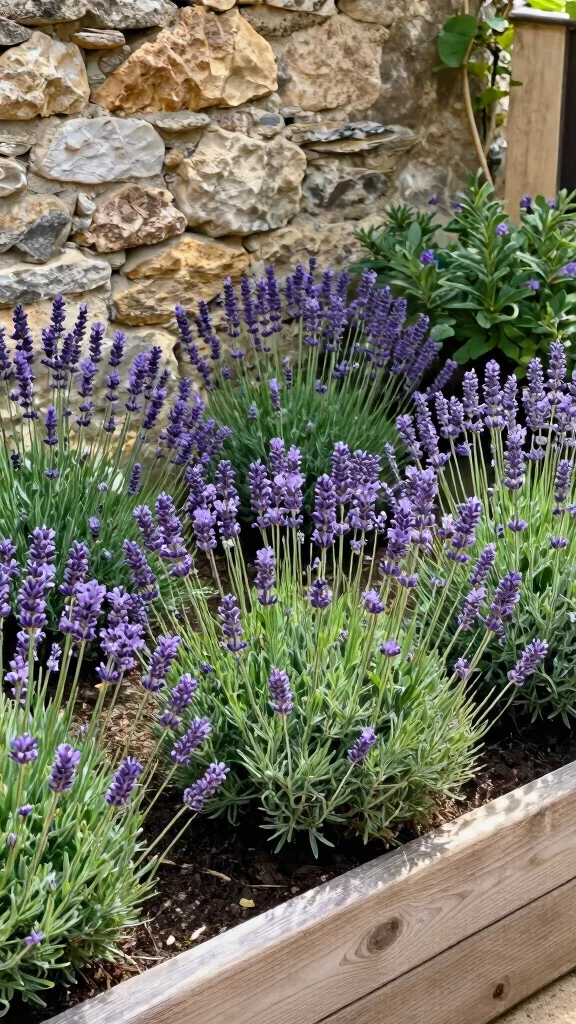
Elevate your gardening with raised lavender beds! These beds not only make a bold statement but also improve drainage, essential for healthy lavender growth. The height allows for easier maintenance, making gardening a breeze.
Building a raised bed can be as simple as using untreated wood or stones. Choose a size that complements your garden style. Ensure the soil is rich in organic matter and well-draining by mixing in sand or gravel.
Consider these design elements:
– Surround lavender with colorful perennials
– Use decorative stones or bricks for borders
– Experiment with different heights for visual appeal
– Maintain for a functional and attractive focal point
This raised bed design will not only be practical but also serve as a stunning centerpiece in your outdoor space.
Raised Lavender Beds
Editor’s Choice

Maple99 Raised Garden Bed with Legs 48x24x30 – Natural Cedar Wood Elevat…


Soil Sunrise Lavender Potting Soil Mix (8 Quarts) Indoor/Outdoor Contain…
5. Lavender Borders for Colorful Gardens
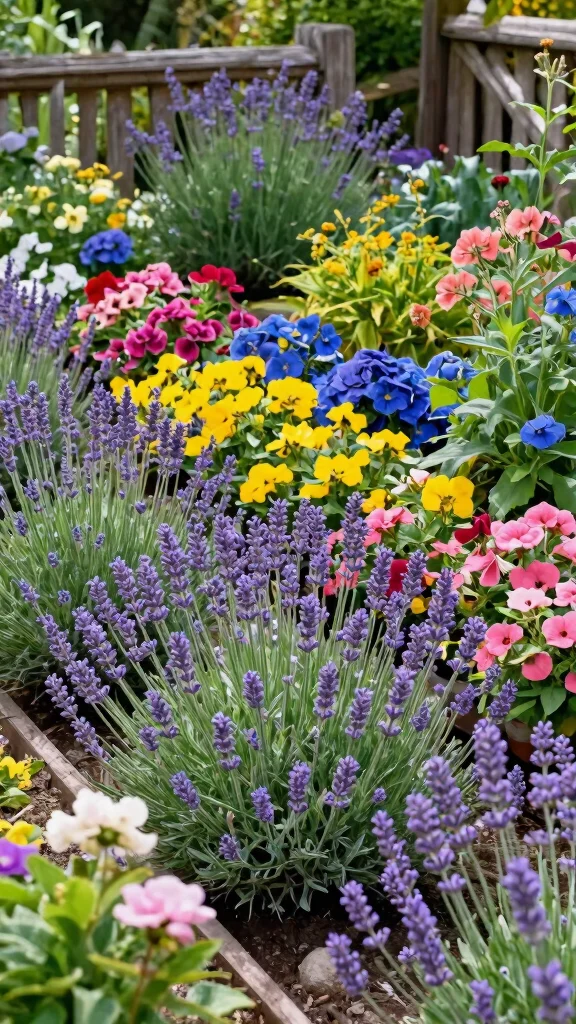
Lavender makes a fantastic border plant that beautifully frames your garden. Using lavender as a border enhances beauty and creates seamless transitions between different garden areas. When paired with vibrant annuals or perennials, lavender adds depth and texture.
To create this effect, plant lavender along the edges of flower beds or pathways. Choose contrasting colors for the inner flowers to ensure that the lavender acts as a striking backdrop. Think bright yellows, pinks, or blues that complement the soft purples of lavender.
Key benefits of using lavender as a border:
– Guide the eye through your garden
– Enhance visual flow and unity
– Attract pollinators with fragrant blooms
– Pair with low-maintenance plants for interest
This approach will make your garden a fragrant paradise that’s both stunning and inviting!
You might also like
Lavender Borders for Colorful Gardens
Editor’s Choice

Grenebo Gardening Tools 9-Piece Heavy Duty Garden Hand Tools with Fashio…
KVR Upgraded Garden Kneeler and Seat with Thicken & Widen Soft Kneeling …
COOLJOB 6 Pairs Gardening Gloves for Women Ladies, Breathable Rubber Coa…
6. Vertical Lavender Walls

Take your love for lavender to new heights with vertical lavender walls! This creative technique is perfect for small gardens, allowing you to save ground space while adding a dramatic flair.
Create a vertical wall using wooden pallets or trellises, letting lavender climb and cascade beautifully. Not only does this look striking, but it also ensures excellent drainage, which is vital for lavender health.
Enhance your vertical garden with these ideas:
– Regularly trim to encourage bushiness
– Combine with climbing plants for lush visuals
– Use different varieties for a colorful gradient
– Position near seating for an aromatic experience
This unique design showcases your gardening skills while providing a delightful aroma and stunning visual impact.
Ongoing Maintenance & Care Guide
Maintenance Schedule:
Daily/Weekly Tasks:
– Watering: Lavender prefers dry conditions. Water deeply once a week in hot months. Aim for about 1 inch of water. This should take about 15 minutes.
– Weeding: Check for weeds that compete for nutrients. Spend 10-15 minutes weekly removing any unwanted plants.
– Deadheading: Remove spent flowers to encourage new blooms. This task can take around 10 minutes, done once or twice a week.
Monthly/Seasonal Tasks:
– Fertilizing: Use an organic, slow-release fertilizer once a month during the growing season. This should take about 20 minutes to apply evenly.
– Pruning: Trim back about one-third of the plant in late summer after blooming. This takes around 30 minutes and helps maintain shape and health.
– Mulching: Add a layer of mulch in spring to retain moisture and suppress weeds. Spend about 30 minutes applying a 2-3 inch layer around your plants.
– Pest Checks: Inspect your plants monthly for bugs like aphids or spider mites. This could take about 15 minutes to ensure healthy plants.
– Planting New Varieties: If you want to expand your lavender garden, consider planting new varieties in early spring or fall. This task can take an hour depending on your plan.
Maintenance Summary Table:
| Task | Frequency | Difficulty | Time Needed |
|—————————-|——————-|————|—————|
| Watering | Weekly | Easy | 15 minutes |
| Weeding | Weekly | Easy | 10-15 minutes |
| Deadheading | 1-2 times/week | Easy | 10 minutes |
| Fertilizing | Monthly | Easy | 20 minutes |
| Pruning | Seasonal (late summer) | Medium | 30 minutes |
| Mulching | Seasonal (spring) | Easy | 30 minutes |
| Pest Checks | Monthly | Easy | 15 minutes |
| Planting New Varieties | Seasonal (early spring or fall) | Medium | 1 hour |
Common Issues to Watch For:
⚠️ Wilting Plants: If your lavender looks limp, it may be thirsty. Check the soil moisture quickly. Water if necessary.
⚠️ Brown Leaves: This could indicate overwatering or poor drainage. Inspect the soil and adjust your watering schedule.
⚠️ Pests: Look for tiny bugs or webbing. This means you need to treat your plants quickly to prevent damage.
⚠️ Mold or Fungal Growth: If you see white spots, it could be mildew. Improve air circulation and avoid overhead watering.
⚠️ Poor Flowering: If your plants are not blooming, they may need more sunlight or nutrients. Check their placement and soil conditions.
Care Tips:
💡 Choose the Right Spot: Plant lavender in full sun. At least 6-8 hours of direct sunlight a day will help them thrive.
💡 Use Well-Draining Soil: Lavender enjoys sandy soil. Consider adding sand or pebbles to improve drainage and prevent root rot.
💡 Avoid Overcrowding: Give each plant about 2-3 feet of space. This will help with air circulation and reduce disease risks.
💡 Harvest Wisely: When cutting lavender for bouquets, do so in the morning when oils are at their peak. This keeps your flowers looking fresh longer.
💡 Winter Care: In colder climates, provide mulch in the winter to protect roots. Remove it in spring to allow the soil to warm up.
Vertical Lavender Walls
Editor’s Choice

GameXcel Vertical Planter Tower – 5 Tier Stackable Garden Planters with …

HOME GROWN Non GMO English Lavender Seeds 1,500+ Wildflower Seed for Pla…

Wells Lamont Gardening Gloves for Women – Breathable Polyester, Seamle…
7. Lavender in Containers

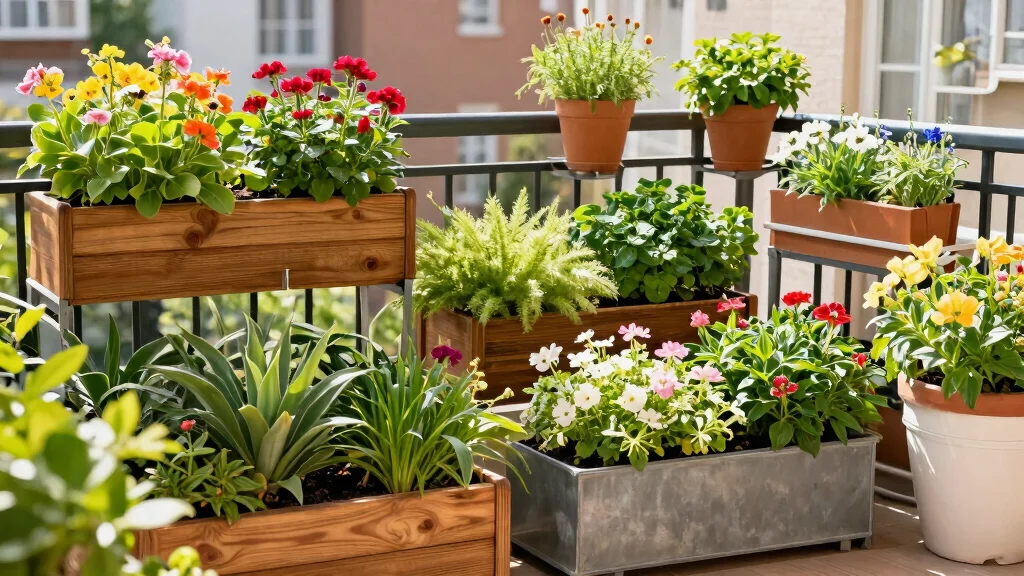
No garden space? No problem! Container gardening allows you to enjoy lavender anywhere you like. Use terracotta pots, wooden planters, or vintage containers to add charm and style to your outdoor area.
When selecting containers, ensure they have drainage holes to prevent water buildup. Choose a well-draining soil mix suited for Mediterranean plants, as lavender thrives in such conditions.
Container gardening offers flexibility:
– Easily relocate plants to optimize sunlight
– Mix lavender with complementary blooms for visual appeal
– Use different container styles for varied aesthetics
– Consider gifting a potted lavender for a personal touch
This versatility creates a fragrant oasis that brightens any space while offering a beautiful display.
Lavender in Containers
Editor’s Choice

Pot Head Plant Lover Mug 14oz Terra Cotta Flower Pot – Ceramic Gardening…

Miracle-Gro Organic Outdoor Potting Mix – Plant Soil for Outdoor Contain…
COOLJOB 6 Pairs Gardening Gloves for Women Ladies, Breathable Rubber Coa…
8. Lavender and Seasonal Flower Combinations
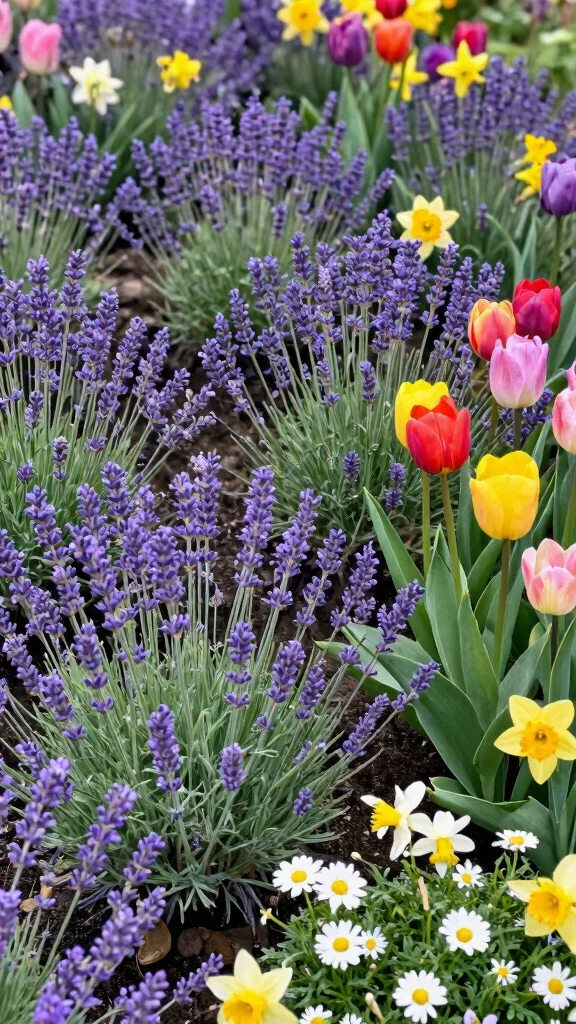
Create a vibrant display by pairing lavender with seasonal flowers! This combination allows your garden to evolve throughout the year, featuring an array of colors and scents that keep it lively.
Consider planting lavender with early spring flowers like tulips and daffodils. As those blooms fade, summer favorites like coneflowers can take their place, perfectly complemented by the enduring lavender presence.
Benefits of this combination:
– Enjoy a constantly changing landscape
– Attract pollinators to enhance lavender growth
– Choose flowers that bloom at different times
– Create a colorful tapestry throughout the seasons
This thoughtful planning ensures that your garden remains captivating and fragrant all year round!
Did you know lavender flower bed magic includes a 30% boost in pollinator visits when paired with spring bulbs? Plant lavender with tulips and daffodils for early color, then let coneflowers take the stage as blooms fade, keeping your garden vibrant year-round.
You Might Also Like

Lavender and Seasonal Flower Combinations
Editor’s Choice

WANCHI Gardening Gloves, Durable and Comfortable Women’s Long Garden Glo…
Grenebo Gardening Tools 9-Piece Heavy Duty Garden Hand Tools with Fashio…
KVR Upgraded Garden Kneeler and Seat with Thicken & Widen Soft Kneeling …
9. Edible Lavender Feature

Did you know lavender can enhance your culinary creations too? Growing edible lavender adds a delightful touch to your kitchen adventures, providing fresh blooms for recipes and teas.
Plant culinary lavender varieties like Lavandula angustifolia, known for their lovely flavor and scent, making them perfect for baking and infusions. Designate an area in your garden for easy access to these fragrant flowers.
Consider these creative ideas:
– Surround lavender with herbs or salad greens
– Create a cozy seating area nearby
– Experiment with lavender-infused lemonade or cookies
– Enjoy the beauty and practicality of your edible garden
This dual-purpose garden is both beautiful and functional, enhancing your culinary experience!
Fun fact: A tablespoon of edible lavender petals can flavor several cups of tea or a batch of cookies—no synthetic flavorings required. Lavender varieties like Lavandula angustifolia are prized for culinary use, thriving in a sunlit lavender flower bed next to herbs.
Edible Lavender Feature
Editor’s Choice
Herb Garden Starter Kit – Fruivity 12800+ 15 in 1 Herb Heirloom Seed K…
SVI 1500 English Lavender Seeds for Planting (Lavandula angustifolia) ��…
10. Aromatherapy Lavender Retreat
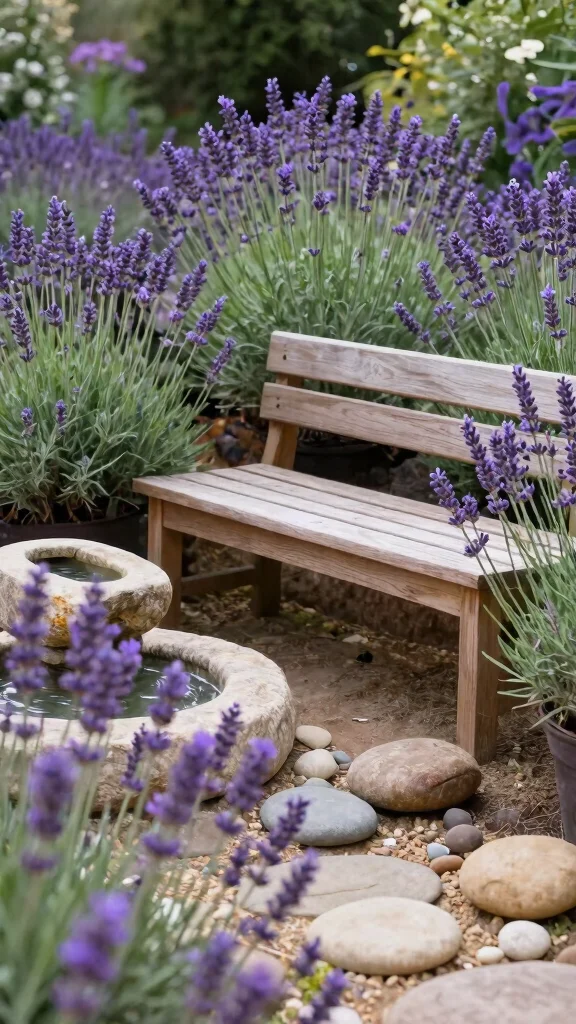
Transform your garden into a soothing aromatherapy retreat with a dedicated lavender flower bed. Lavender is renowned for its calming scent, making it the perfect centerpiece for relaxation.
Select a quiet corner of your garden to create a peaceful atmosphere. Incorporate comfortable seating, like a wooden bench or lounge chairs, surrounded by blooming lavender. Adding elements like a small water feature or soft lighting enhances your serene space.
Consider these features for your retreat:
– Plant calming companions like chamomile or mint
– Create a multi-sensory experience with textures and scents
– Design a space for unwinding and enjoying nature
– Invite friends for a relaxing moment in your fragrant haven
Your aromatic retreat will be a sanctuary where you can escape daily stresses and indulge in the soothing effects of lavender.
Aromatherapy Lavender Retreat
Editor’s Choice

Essential Oils Diffuser,Aromatherapy Diffuser,Birthday for Women Mom Gra…
Conclusion

Creating a lavender flower bed can be a beautiful and soothing project that brings joy to your outdoor space. From classic rows to innovative designs, each idea allows for creativity while ensuring that your garden smells fragrant and looks stunning.
Whichever style you choose, growing lavender not only enhances your landscape but also provides a delightful sensory experience. Embrace the endless possibilities of lavender in your gardening journey, and let these dreamy ideas inspire you to create your own aromatic paradise!
Note: We aim to provide accurate product links, but some may occasionally expire or become unavailable. If this happens, please search directly on Amazon for the product or a suitable alternative.
This post contains Amazon affiliate links, meaning we may earn a small commission if you purchase through our links, at no extra cost to you.
Frequently Asked Questions
What are the essential steps to design a fragrant lavender flower bed in an organic garden?
Start with sun, drainage, and soil. Lavender thrives in full sun (6–8 hours) and well-drained soil—amend with organic matter but avoid heavy clay that holds moisture. Choose lavender varieties suited to your climate for a true lavender garden design with lasting fragrance. Plant in natural drifts or along a border to create colorful garden borders and ensure good air circulation by spacing 12–24 inches apart. Water at the base, mulch lightly, and skip rich nitrogen fertilizers to keep blooms vibrant. After flowering, prune lightly to maintain shape and encourage next-year growth, keeping fragrant flower beds thriving in an organic setup.
Which lavender varieties are best for a long-lasting fragrance in a perennial flower bed?
For a perennial flower bed with year‑round scent, start with English lavender (Lavandula angustifolia) cultivars like Munstead and Hidcote, known for classic fragrance and solid hardiness. For a bolder aroma and larger blooms, try lavandin hybrids such as Grosso or Phenomenal, noting they can be more vigorous. Choose varieties suited to your climate and ensure good drainage to preserve scent year after year in your lavender flower bed. Group 3–5 plants together in drifts to intensify fragrance across your perennial flower ideas.
How should I space and plant lavender in borders to create colorful garden borders while promoting healthy growth?
Space English lavender about 18–24 inches apart for a tidy border, and 24–36 inches for larger lavenders like lavandin. Plant in full sun with a well-draining bed; mix in grit or sand if your soil tends to stay wet. Create drifts or curved borders rather than straight lines to boost color and fragrance in colorful garden borders. Mulch lightly with gravel or organic mulch to keep roots dry, and water deeply but infrequently to encourage drought tolerance. Prune after bloom to maintain shape and good airflow in an organic lavender flower bed.
What are practical tips for landscaping with lavender to maximize scent and color in an aromatherapy garden?
Group plants by fragrance intensity and color to build a true fragrant flower beds experience. Pair lavender with complementary herbs and drought-friendly companions—rosemary, sage, salvia—for contrast in lavender garden design and landscapes with lavender. Use well-draining soil and avoid overhead irrigation; water at the base to protect essential oils. Create walking-scent experiences by placing lavender along paths and edges, and cut stems for indoor arrangements to extend the perfume of your lavender flower bed.
What maintenance tips keep a lavender flower bed thriving year after year in an organic setting?
Keep lavender thriving by avoiding heavy nitrogen and feeding sparingly with organic compost only. Prune lightly after flowering and again in late summer to maintain a compact shape and promote next-year blooms. Water deeply but infrequently, ensuring excellent drainage to prevent root rot. Mulch with coarse organic matter or gravel to suppress weeds and aid moisture balance, and divide older plants every 4–6 years to refresh a vibrant fragrant flower beds that stay colorful in perennial flower ideas.
Related Topics
lavender flower bed
aromatherapy garden
fragrant flower beds
lavender garden design
perennial flower ideas
colorful garden borders
easy gardening
landscaping with lavender
organic gardening
dreamy landscapes
beginner friendly
seasonal blooms