
Gardening has a way of sparking joy, especially when you see those beautiful flowers in full bloom. If you’re dreaming of a garden that stands out, you’re not alone. Many urban gardeners are craving unique designs that turn small spaces into personal paradises. This post is all about flower bed shapes that can make your garden look intentional and inviting.
If you love gardening but feel stuck in a rut with traditional designs, this guide is for you. You might be living in a small urban area, but that doesn’t mean you can’t create stunning outdoor aesthetics. You’ll discover eight creative flower bed styles that are not just practical but also add charm to your urban garden. Each design offers something special, helping you embrace your creative side and transform your space into a vibrant retreat.
Get ready to explore designs like circular and spiral flower beds that will not only enhance the beauty of your garden but also make it more functional. You’ll find tips on how to implement these ideas, ensuring that your outdoor space reflects your personality and style. Let’s dive into the world of flower bed shapes that will breathe new life into your garden!
Key Takeaways
– Explore Unique Shapes: Discover eight flower bed shapes that can elevate your garden’s design and create a lasting impression.
– Small Space Solutions: Learn how each shape caters to small urban gardens, making the most of limited space while enhancing beauty.
– Practical Tips: Get actionable advice for implementing each design, including materials and plant suggestions to make your garden flourish.
– Creative Inspiration: Find that spark of creativity needed to express your personal style in gardening, turning conventional designs on their head.
– Visual Appeal: Understand how different shapes influence the overall aesthetic of your outdoor space, enhancing its visual attraction and appeal.
1. Circular Flower Beds: Embrace Soft Curves

If you’re looking to soften the harsh lines of your garden, circular flower beds are an ideal solution. These gentle curves create inviting focal points that naturally draw the eye, inviting exploration of your floral arrangement. Imagine a center filled with taller blooms, gradually blending into shorter varieties at the edges, crafting a harmonious visual experience.
To enhance these beds, think about mixing textures, like feathery grasses alongside bright flowers, for a rich depth. You can easily surround circular beds with paths or decorative stones, adding structure while improving accessibility. Let your creativity flourish with varied colors and plant heights, celebrating the beauty of nature.
Circular Flower Beds: Embrace Soft Curves
Editor’s Choice

Miracle-Gro Potting Mix – For Container Plants, Flowers, Vegetables, Shr…


EasyFlex No-Dig Landscape Edging with Anchoring Spikes, 2.7 in Tall Deco…

Garden Tools Set, 3 Pack Heavy Duty Gardening Tools Set Include Garden S…
2. Zigzag Flower Beds: Dynamic and Playful
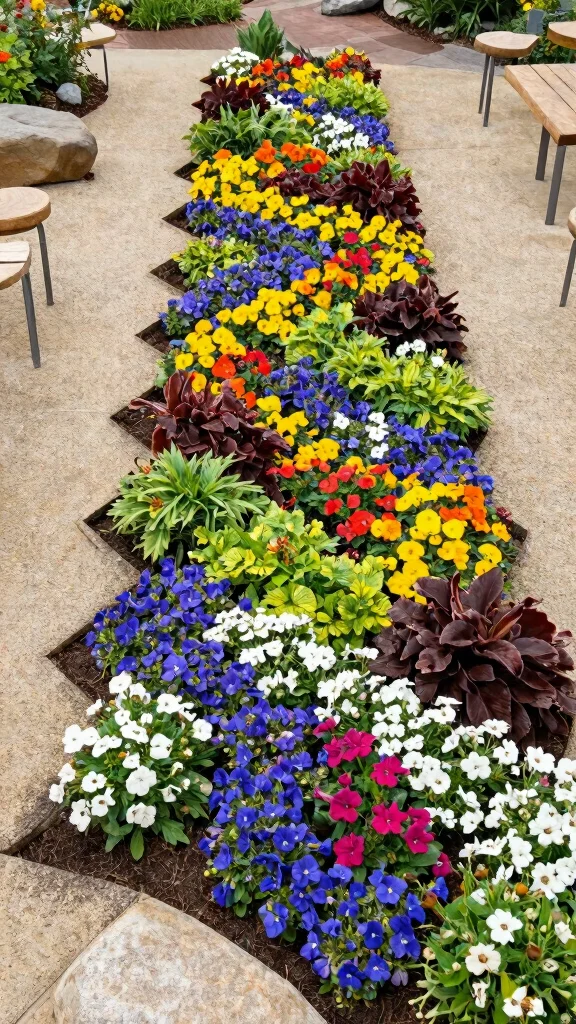
Tired of straight lines in your garden? Zigzag flower beds offer a playful twist that breaks up monotony and injects energy into your space. Perfect for narrow plots, these shapes create visual interest, guiding visitors through a vibrant array of colors and flower varieties that dance in the breeze.
To make the most of this design, pair bright blooms with contrasting foliage for dramatic flair. Plant both perennials and seasonal flowers for year-round charm. This zigzag shape can also define pathways or seating areas, making it both functional and fun.
Fun fact: Zigzag flower beds can increase perceived garden space by up to 20%, making narrow urban plots feel roomier. Pair bright blooms with contrasting foliage for dramatic flair and year-round color with both perennials and seasonal flowers.
Dimensions & Size Guide
When planning your flower bed shapes, understanding the right dimensions and sizes is crucial. It helps ensure that your garden design looks intentional and thrives in the available space. Below, you’ll find helpful measurements, planning tips, and a quick reference table to guide you.
Standard Sizes & Measurements:
– Circular Flower Beds: A common diameter ranges from 3 to 6 feet. This size allows for a comfortable planting area while remaining manageable for maintenance. Aim for at least 3 feet of space around the bed for easy access.
– Zigzag Flower Beds: These are often about 4 to 8 feet long and 2 to 3 feet wide. This size creates visual interest without overwhelming your garden. Ensure you have at least 4 feet of space in front for viewing and tending to the flowers.
– Raised Flower Beds: Typically, these should be about 4 to 5 feet wide and at least 1 foot high. This height helps with drainage and accessibility. It’s best to have a minimum of 2 feet of pathway space around the sides for easy access.
– Wave-Shaped Flower Beds: For a wave design, consider a width of 4 to 8 feet, depending on your yard size. The length can vary but should start at 6 feet to create a fluid look. Maintain at least 3 feet of space along walkways for safety and beauty.
– Triangle Flower Beds: These can be compact, with sides measuring 3 to 4 feet. This size fits well in small spaces while still making a design statement. Keep at least 2 feet of space around the base for ease of access.
– Oval Flower Beds: An oval of 4 to 6 feet long and 2 to 4 feet wide gives a classic look. Ensure 3 feet of space around this design for maintenance and aesthetics.
– Picket-Fence Flower Beds: This shape can be around 3 to 5 feet wide and 6 to 8 feet long. You’ll want at least 2 feet of space around it to allow for path access and to show off the charming fence.
– Spiral Flower Beds: A diameter of 4 to 6 feet works best for a spiral design. This can be a unique focal point in your garden. Plan for at least 3 feet of surrounding space to enjoy its beauty from all angles.
Quick Reference Table:
Size/Dimension – Best for: [use case], Minimum space needed: [measurement]
– Circular (3-6 ft diameter) – Best for: Creating soft curves, Minimum space needed: 3 ft around
– Zigzag (4-8 ft long) – Best for: Adding dynamic shapes, Minimum space needed: 4 ft in front
– Raised (4-5 ft wide, 1 ft high) – Best for: Easier planting, Minimum space needed: 2 ft around
– Wave (4-8 ft wide) – Best for: Fluidity in design, Minimum space needed: 3 ft along walkways
– Triangle (3-4 ft sides) – Best for: Compact spaces, Minimum space needed: 2 ft around
– Oval (4-6 ft long) – Best for: Timeless elegance, Minimum space needed: 3 ft around
– Picket-Fence (3-5 ft wide) – Best for: Whimsical charm, Minimum space needed: 2 ft around
– Spiral (4-6 ft diameter) – Best for: Unique focal points, Minimum space needed: 3 ft around
Space Planning Tips:
1. Measure Your Space Carefully: Use a measuring tape to get accurate dimensions. Check the width, length, and height of your planned flower bed.
2. Consider Sunlight and Water Needs: Make sure the chosen location gets enough sunlight and is accessible for watering. This can affect the size and shape of your flower bed.
3. Avoid Overcrowding: Leave enough space between flower beds and pathways. This allows for airflow and keeps plants healthy. Remember, plants grow!
4. Plan for Accessibility: Design flower beds that are easy to reach. This includes keeping pathways wide enough for gardening tools and a comfortable distance for bending and reaching.
5. Visualize the Layout: Use garden stakes or string to outline your bed shapes before digging. This helps you see how the dimensions fit into your overall garden design.
Pro Tip: The most important measurement to consider is the width of your flower beds. You want enough room to care for your plants without feeling cramped. Aim for a width of at least 3 feet, allowing you to reach comfortably from either side. Happy gardening! 🌼
Zigzag Flower Beds: Dynamic and Playful
Editor’s Choice

Garden Tools Set, 3 Pack Heavy Duty Gardening Tools Set Include Garden S…
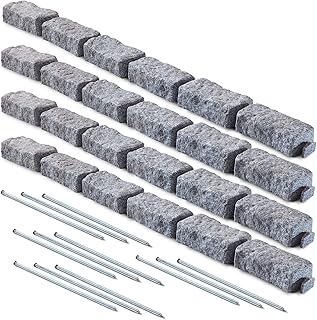
Beuta Landscape Edging | Garden Edging Border | Faux Stone Bricks for La…
Miracle-Gro Potting Mix – For Container Plants, Flowers, Vegetables, Shr…
3. Raised Flower Beds: Elevate Your Garden Experience

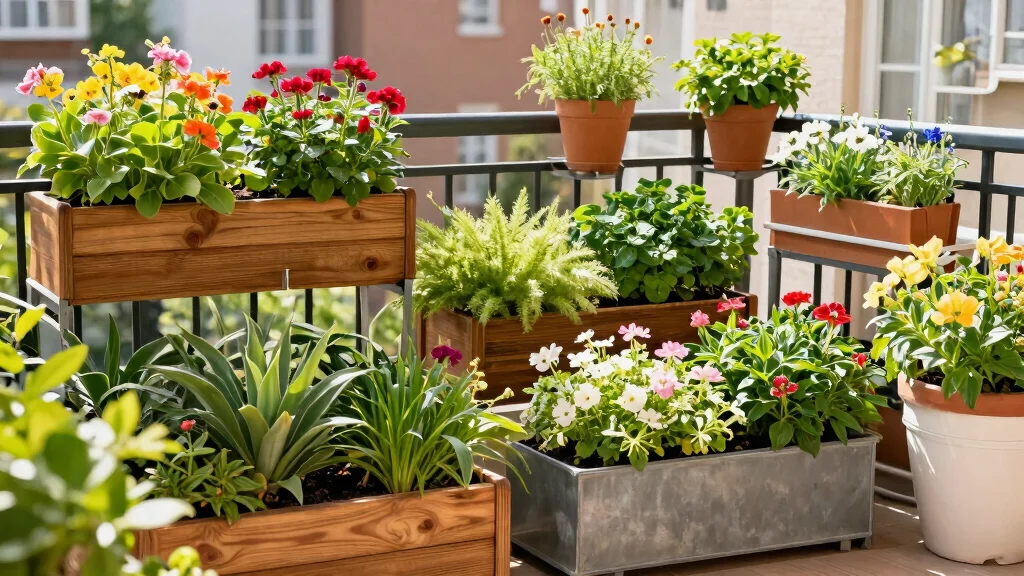
Looking for a practical and stylish gardening option? Raised flower beds are gaining popularity for their excellent drainage and aesthetic appeal. They create visual interest with varying heights and can be crafted from wood, bricks, or stone, allowing for creativity in your garden design.
These structures are easier to maintain, letting you control soil quality while minimizing weeds. Mix herbs with flowers for a space that’s not only beautiful but also useful. With their elevated design, raised beds are perfect for small gardens, making gardening accessible for everyone.
Raised Flower Beds: Elevate Your Garden Experience
Editor’s Choice

Espoma Organic Raised Bed Mix – All Natural and Organic Potting Soil Mix…

LEETOLLA Elevate 32″ Tall Raised Garden Bed Outdoor with Wheels & Shelf …
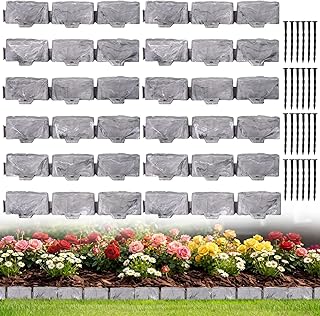
Landscape Edging Garden Edging Border Faux Stone Edging,17FT x 2.75 in T…
4. Wave-Shaped Flower Beds: Fluid and Serene
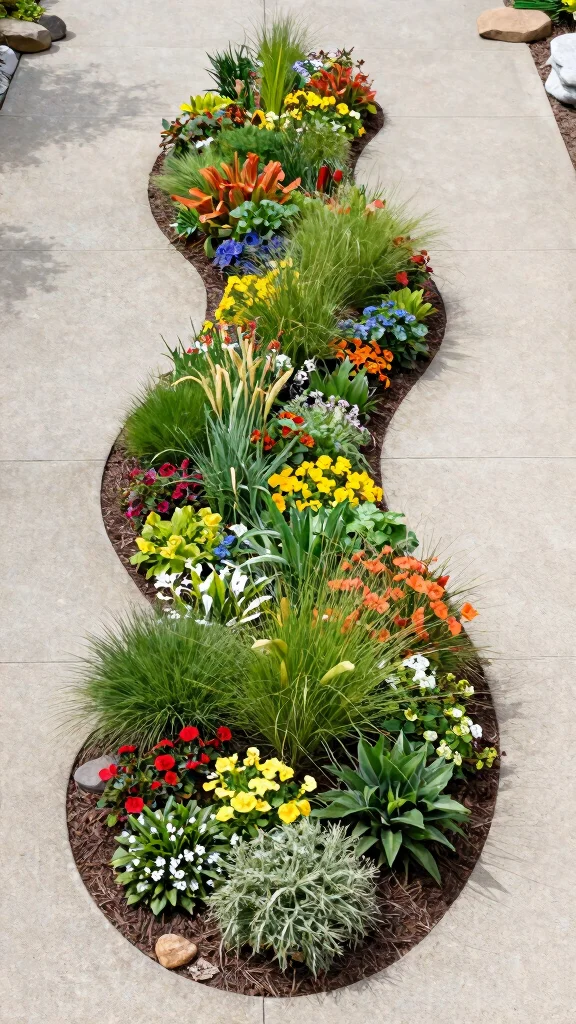
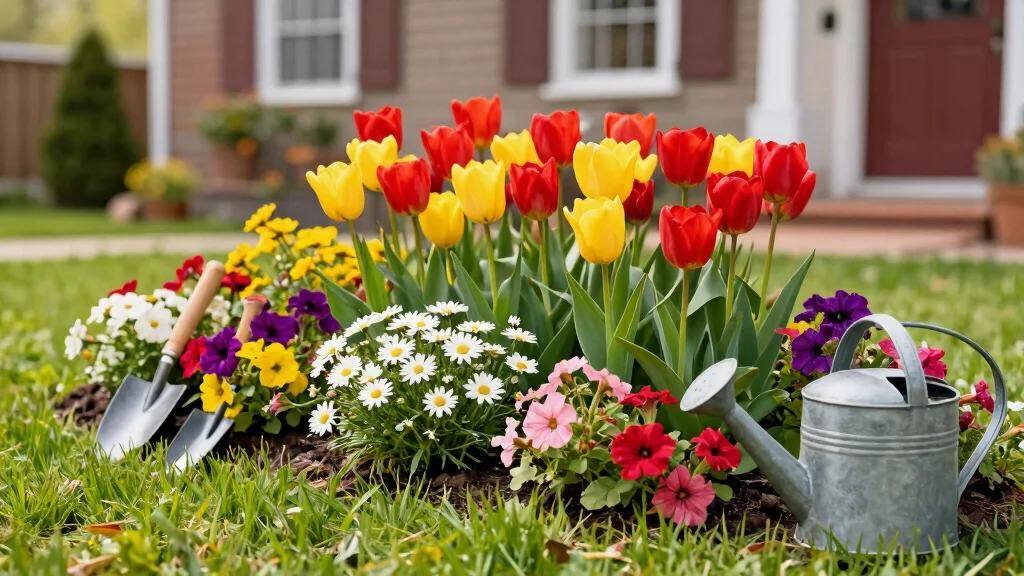
Want to add a touch of serenity to your garden? Wave-shaped flower beds bring a sense of fluidity and rhythm to your outdoor space. Mimicking natural landscapes, this gentle design creates a relaxed atmosphere that invites relaxation. By layering flowers in waves, you can achieve a lush, flowing look that feels alive.
Consider incorporating winding paths through the wave beds, inviting visitors to stroll through your garden. Pair these beds with ornamental grasses to enhance the tranquil vibe. This shape is perfect for smaller spaces, allowing you to create defined areas without overwhelming the view.
You might also like
Wave-Shaped Flower Beds: Fluid and Serene
Editor’s Choice
Back to the Roots 100% Organic Mulch, 58 Quart, Expanding Coconut Husk B…

Spoontiques – Garden Décor – Scatter Kindness Stepping Stone – Decorati…

50+ Blue Fescue Ornamental Grass/Perennial Festuca/Drought Tolerant/Sun …
5. Triangle Flower Beds: Bold and Compact
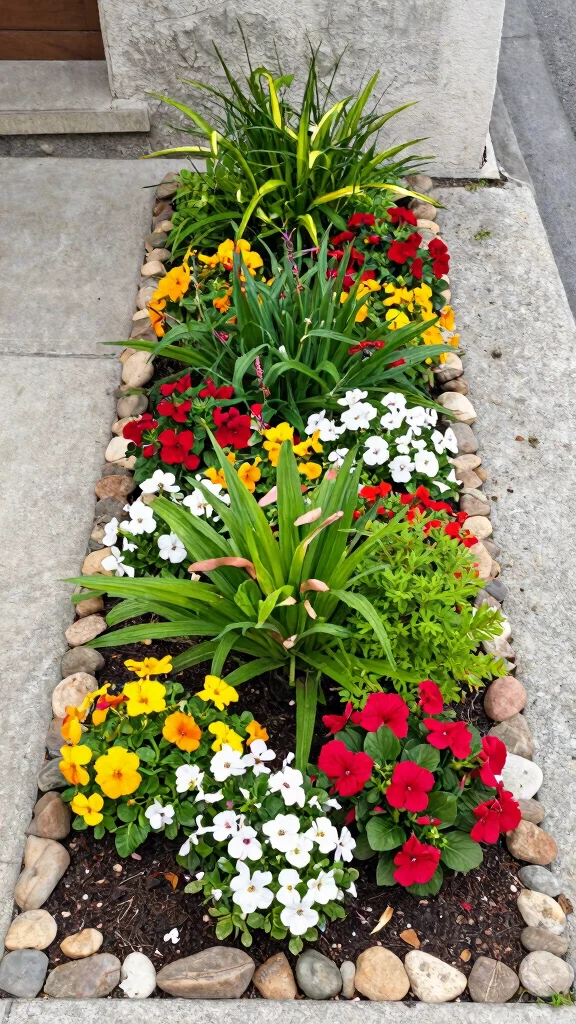
Maximizing space in your garden can be a challenge. Triangle flower beds offer a bold solution that fits snugly into corners or tight spots. Their angular design allows you to create captivating layers that draw the eye. Position taller plants at the top and sprinkle shorter varieties below for a balanced appearance.
To enhance visual drama, mix contrasting colors and textures in your triangle beds. They can also serve as natural dividers, helping you define different planting zones or create stunning focal points in your landscape.
Triangle Flower Beds: Bold and Compact
Editor’s Choice
EasyFlex No-Dig Landscape Edging with Anchoring Spikes, 2.7 in Tall Deco…

Planting: The Planting Design Book for the 21st Century

HOME GROWN Zinnia Dahlia Seeds Pack for 2026 Non GMO 524 Flower Seeds | …
6. Oval Flower Beds: Timeless Elegance
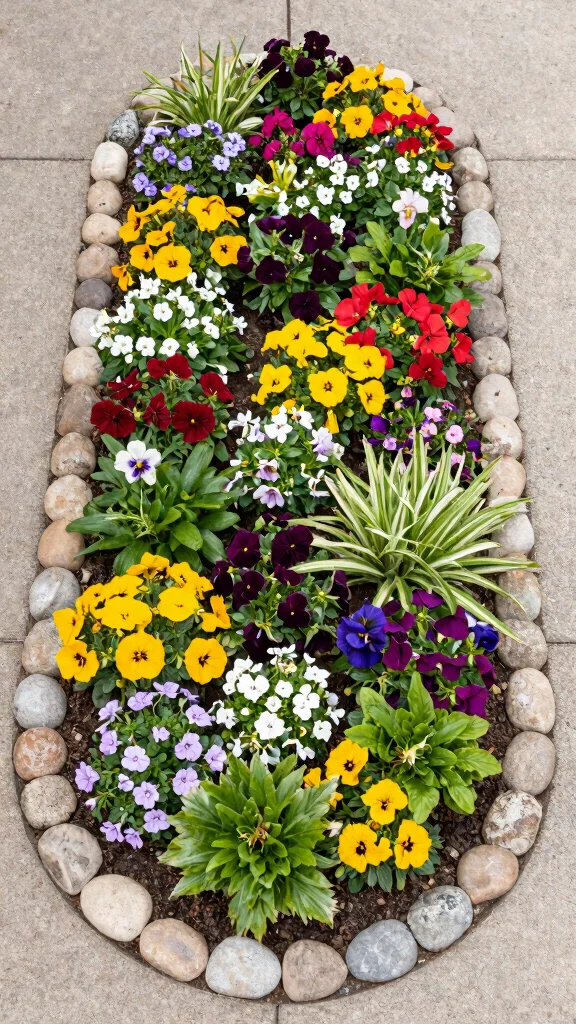
If you appreciate classic beauty, oval flower beds might be your perfect match. Their timeless shape softens hard lines and provides a graceful focal point in any garden. With flexibility in plant selection, you can create a harmonious blend of colors and varieties. Mixing perennials and annuals ensures your garden remains beautiful throughout the year.
Consider surrounding your oval bed with decorative stones or a low fence to enhance its polished look. The curves of this design can complement pathways or seating areas, inviting you to relax and enjoy the beauty of nature.
❝ Fun fact: oval flower beds soften hard lines and can make a small urban garden feel up to 20% larger. Pair them with perennials and annuals for year-round color, and edge with a low fence or decorative stones for a polished look. ❞
📹 Related Video: Edge a Flower Bed Like a Pro | Easy, Clean Garden Borders in Your Lawn!
Oval Flower Beds: Timeless Elegance
Editor’s Choice
Garden Tools Set, 3 Pack Heavy Duty Gardening Tools Set Include Garden S…

200,000+ Wildflower Seeds Bulk (4oz) – 16 Varieties Perennial & Annual…
EasyFlex No-Dig Landscape Edging with Anchoring Spikes, 2.7 in Tall Deco…
7. Picket-Fence Flower Beds: Charming and Whimsical

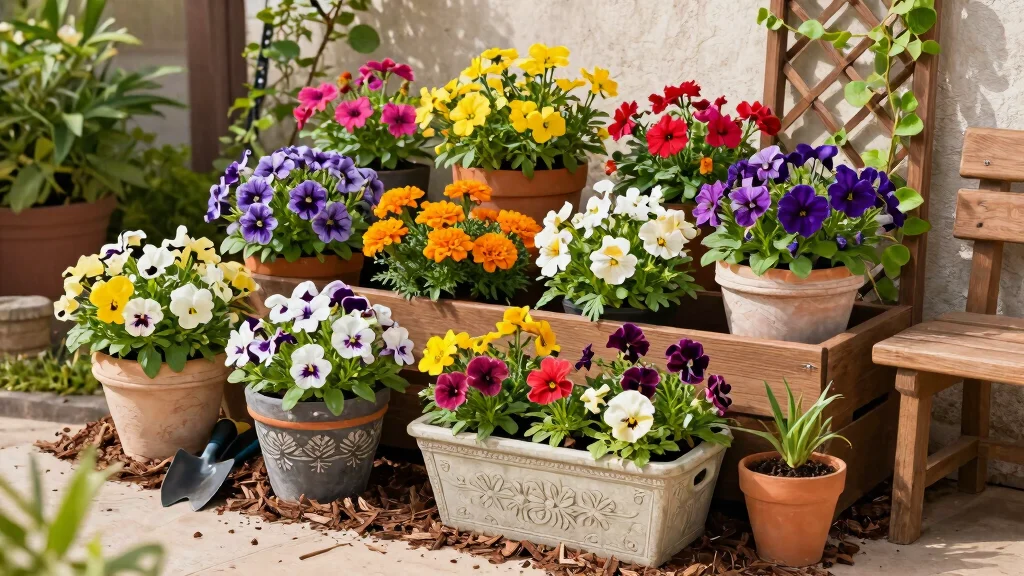
For a cozy and inviting atmosphere, picket-fence flower beds add a charming touch to your garden. This classic design not only provides structure but also elegantly separates different flower varieties. Perfect for small flower beds, it creates an enclosed garden space that feels like a little sanctuary.
Add climbing vines or trailing flowers to the fence for extra texture and visual interest. To enhance the playful design, use colorful paint on the picket fence to match your flowers, creating delightful harmony throughout your garden.
Did you know? A 3–4 foot picket-fence flower bed can section off small urban gardens into cozy color zones. Paint the fence to match blooms for an instant, whimsical sanctuary you can grow in.
You Might Also Like

Picket-Fence Flower Beds: Charming and Whimsical
Editor’s Choice

Grenebo Gardening Tools 9-Piece Heavy Duty Garden Hand Tools with Fashio…

KVR Upgraded Garden Kneeler and Seat with Thicken & Widen Soft Kneeling …

Wells Lamont Gardening Gloves for Women – Breathable Polyester, Seamle…
8. Spiral Flower Beds: Intriguing and Unique
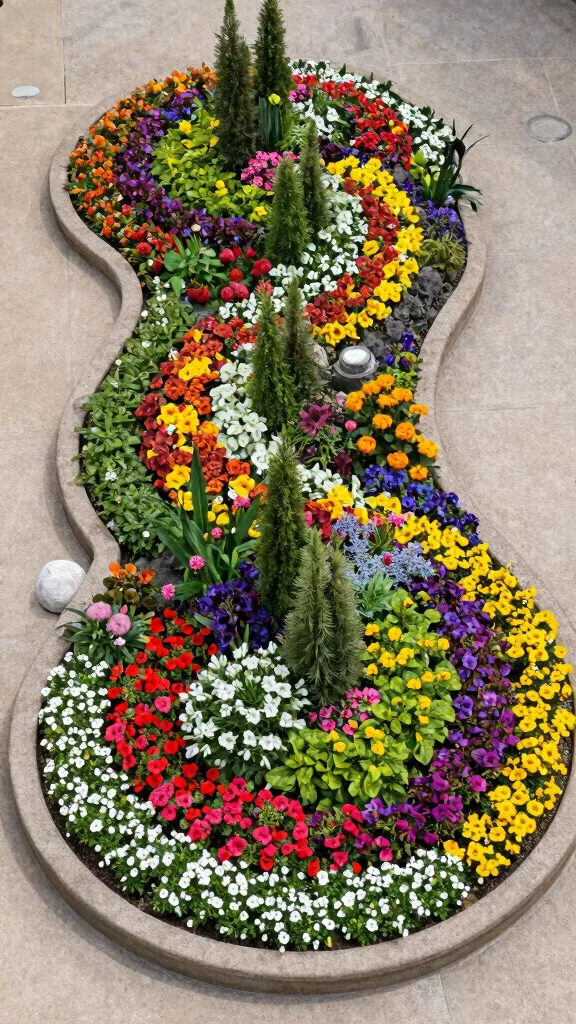
Want to make a statement in your garden? Spiral flower beds offer an unconventional choice that stands out beautifully. This eye-catching shape draws the gaze upward, inviting exploration and interaction in smaller spaces. You can create spirals using stones or soil, filled with a variety of plants for a dynamic texture.
Position taller plants at the center, cascading down with shorter varieties for visual impact. Enhance your spiral design with decorative elements like stepping stones or sculptures, making your garden not just beautiful but also a fun experience of different heights and colors.
Spiral Flower Beds: Intriguing and Unique
Editor’s Choice
Spoontiques – Garden Décor – Scatter Kindness Stepping Stone – Decorati…
EasyFlex No-Dig Landscape Edging with Anchoring Spikes, 2.7 in Tall Deco…

Miracle-Gro Moisture Control Potting Mix – Plant Soil for Container Plan…
Conclusion
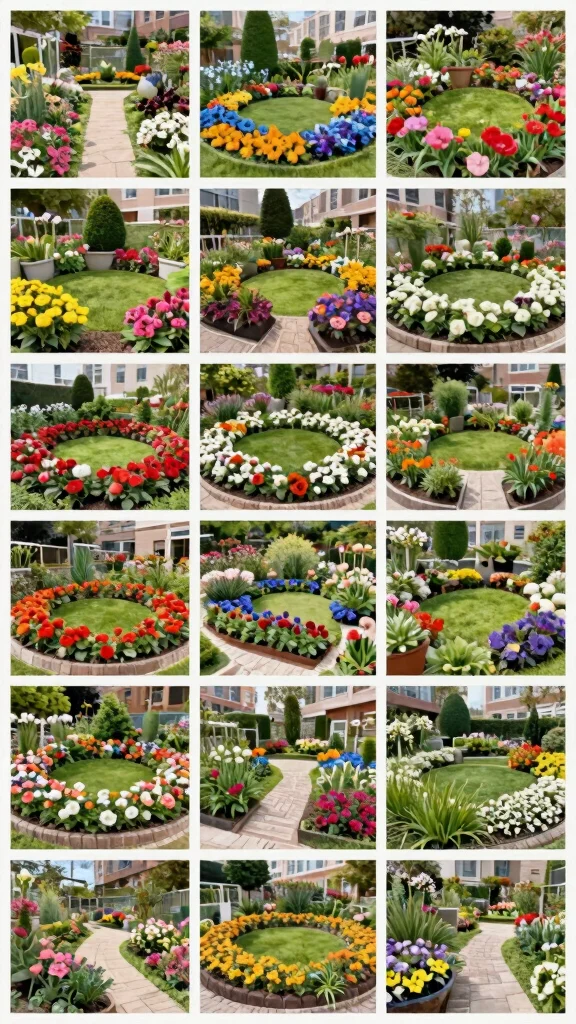
Choosing the right flower bed shape can significantly enhance the beauty and functionality of your urban garden.
From bold triangles to whimsical picket fences, each design offers its own charm and character. Embrace creativity and experiment with various styles to find what resonates with your vision. Remember, the key to a stunning garden is celebrating the diversity of plant life while maximizing your space. Happy gardening!
Your garden is a canvas – let these flower bed shapes inspire you to create a vibrant masterpiece that reflects your unique style.
Note: We aim to provide accurate product links, but some may occasionally expire or become unavailable. If this happens, please search directly on Amazon for the product or a suitable alternative.
This post contains Amazon affiliate links, meaning we may earn a small commission if you purchase through our links, at no extra cost to you.
Frequently Asked Questions
What are some creative flower bed shapes that work well in small urban gardens?
Small urban gardens shine with flower bed shapes that create flow and the illusion of space. Try options like a circular or oval bed for softness, a curved border that guides the eye, or a geometric rectangle split into color blocks. Start by measuring the site, noting sun and shade, and laying out the shape with string or mulch rings before digging.
Pair each shape with layered planting and a simple border for easy maintenance.
How do I choose a flower bed shape to match garden design and outdoor aesthetics?
To pick a shape that complements your space, start with the house line and existing hardscape. In tight spaces, simpler shapes read as bigger; more intricate shapes can add character if used sparingly. Consider how the shape connects paths, seating, and views, and choose plants that repeat colors across borders for a cohesive look.
Sketch a quick plan and test 2-3 options on paper before committing.
What edging and material options best help keep flower bed shapes looking tidy in tight spaces?
Materials and edging make or break the look of your flower bed shapes. Options like concrete pavers, metal edging, or timber boards define the border and help resist encroaching grass. Choose a durable, low-maintenance edging that suits your climate and budget, and install it before you dig to lock in the form.
Keep edges even and use mulch or gravel to soften transitions.
How can I design flower bed shapes for easy maintenance and flexible seasonal color changes?
For maintenance and seasonal color, design flower bed shapes that group plants by height and color blocks. Use drip irrigation or soaker hoses and a layer of mulch to reduce weeds and water loss. Rotate annuals or bulbs to refresh the color each season, while perennials stay in place to keep the shape intact.
A simple planting plan inspired by the shape makes upkeep quick and enjoyable.
What’s a quick weekend plan to implement a new flower bed shape in a small garden?
Weekend starter plan for a new flower bed shape: 1) choose your shape from the article’s ideas, 2) sketch it on graph paper or tape it in the yard, 3) lay edging and mark the border, 4) amend soil and add compost, 5) plant in blocks to emphasize the shape, 6) mulch and water. This step-by-step approach keeps things practical and lets you see the effect of the garden design early.
Related Topics
flower bed shapes
garden design
urban gardening
creative gardening
landscaping ideas
small gardens
outdoor aesthetics
beginner friendly
unique designs
seasonal flowers
flower bed styles
DIY landscaping