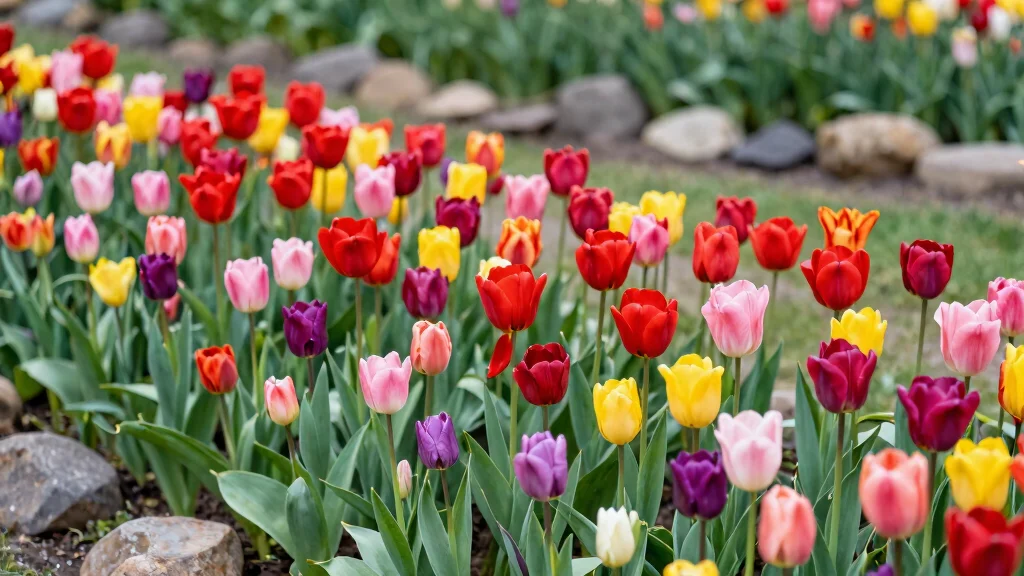
Spring is right around the corner, and that means it’s time to start thinking about your garden. I created this post because I can’t wait to see colorful tulip flower beds bursting into bloom. If you’re like me and love the beauty of flowers, this one’s for you. Whether you have a spacious backyard or a cozy patio, I’ve pulled together seven fabulous tulip flower bed ideas that can transform your space into a spring wonderland.
Imagine strolling past vibrant blooms that brighten your days and bring joy to your home. If you’re a gardening enthusiast or just someone looking to add a splash of color to your life, these ideas will inspire you. You’ll discover tips on flower bed design, colorful tulip varieties, and seasonal planting ideas. Let’s get ready to make spring the most anticipated season of the year!
Key Takeaways
– Discover seven creative tulip flower bed ideas to elevate your spring gardening game and embrace the beauty of tulips.
– Explore monochromatic and colorful combinations that highlight the striking beauty of different tulip varieties.
– Learn how to create container gardens that are perfect for patios and balconies, making tulips accessible to everyone.
– Find out about layered planting techniques that add depth and dimension to your garden, giving it a lush look.
– Get practical seasonal planting tips to ensure your tulips thrive and continue blooming throughout the season.
1. Monochromatic Magic: Create a Color Statement
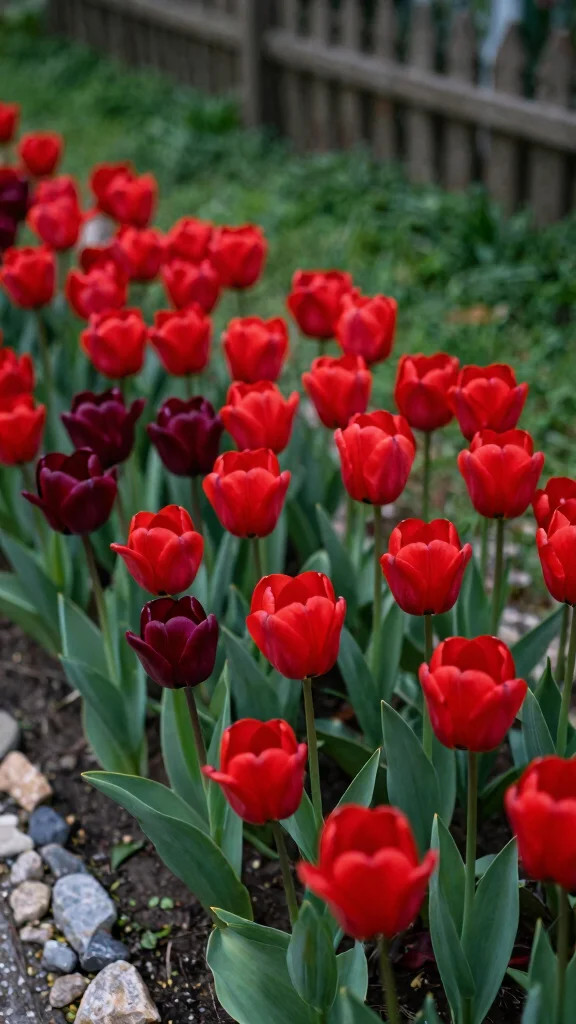
If you’re looking to make a statement in your garden, monochromatic tulip flower beds are a fantastic choice. By selecting a single color and varying its shades, you can create a stunning visual experience. For example, combining dark burgundy tulips with vibrant crimson ones can add depth and intrigue to your outdoor space.
Soft pastels, like delicate pinks, can evoke a sense of serenity and romance. Mixing heights—tall varieties at the back and shorter ones in front—can guide the eye and enhance your garden’s appeal.
Here are some essential tips for creating your monochromatic masterpiece:
– Select 2-3 shades of your chosen color for variety.
– Incorporate different tulip forms like fringed, parrot, or Darwin hybrids.
– Pair with complementary foliage, such as dark green leaves or blue flowers.
A monochromatic scheme not only looks chic but also elevates the overall aesthetic of your garden.
Fun fact: Monochromatic tulip beds can visually enlarge a space by up to 15%. Stack tall, dark burgundy blooms at the back with lighter crimson, then soften with pastel accents. Vary shade and height to add depth and create a bold, serene tulip flower bed.
Monochromatic Magic: Create a Color Statement
Editor’s Choice



Miracle-Gro Potting Mix – For Container Plants, Flowers, Vegetables, Shr…
2. Mix and Match: Embrace Colorful Tulip Varieties
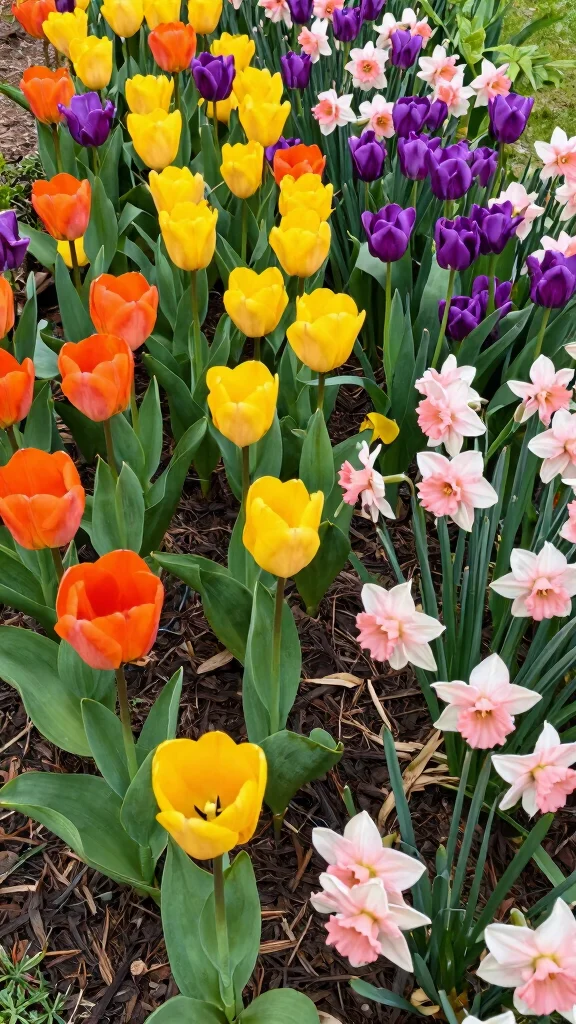
If vibrant colors excite you, mixing different tulip varieties is the perfect way to brighten up your garden. Picture fiery oranges next to sunny yellows and deep purples; this lively blend can transform your space into a colorful celebration of blooms.
When choosing your tulips, opt for various flower shapes and sizes. Pairing classic tulips with fringed or parrot varieties adds a unique touch. You can even mix in other spring flowers like daffodils or hyacinths for an extra burst of color.
To create a dynamic tulip bed:
– Plan your layout to ensure a balanced color distribution.
– Vary heights and bloom times for continuous interest.
– Use contrasting foliage colors to enhance the tulips’ vibrancy.
Mixing tulips gives you creative freedom, allowing you to craft a garden that feels alive and expressive.
Mix and Match: Embrace Colorful Tulip Varieties
Editor’s Choice

All-in-One Flower Garden Kit – 25 Flower Bulbs Per Box – Potluck Plantin…

Edward Tools Bulb Planter – Bend Free Tool for Planting Bulbs, Depth Mar…
3. Container Gardens: Tulips for Patios and Balconies
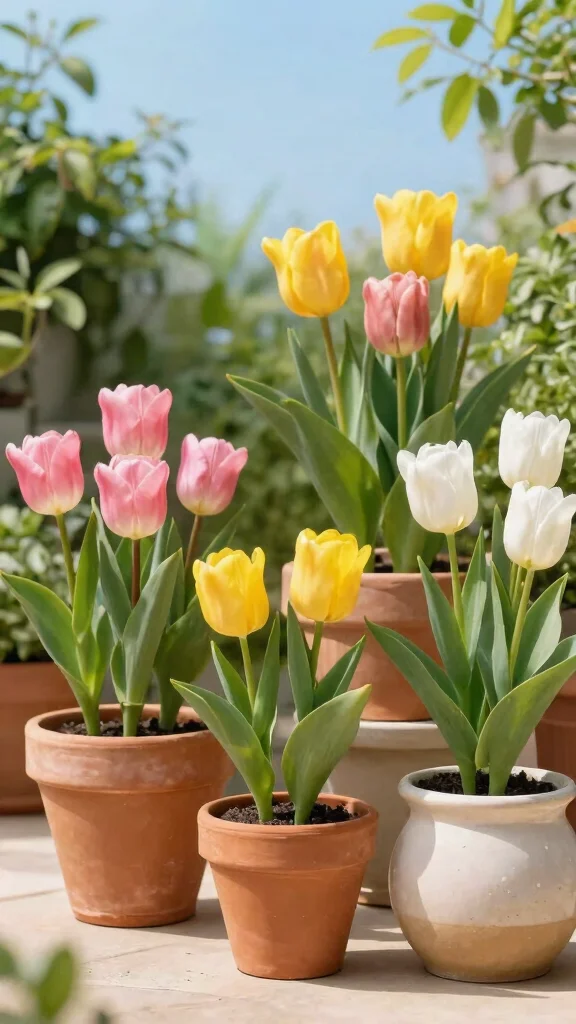
Do you live in a small space but still want to enjoy tulips? Container gardening is your ideal solution! Tulips thrive in pots, making them perfect for patios, balconies, or even doorsteps.
Use a variety of container sizes to add visual interest. A tall pot can showcase one or two large tulips, while smaller containers can be grouped for a cohesive look. Mixing colors in a single pot can also create stunning displays when combined with other flowering plants.
For successful potting:
– Choose containers with good drainage for healthy roots.
– Use quality potting soil to nourish your tulips.
– Position pots in sunny spots to promote optimal growth.
With the right approach, your container gardens can be just as breathtaking as traditional flower beds!
Container Gardens: Tulips for Patios and Balconies
Editor’s Choice

8/10/12 Inch Self Watering Pots for Indoor/Outdoor Plants – Large Plasti…

Burpee, 9 Quarts | Premium Organic Potting Natural Soil Mix Food Ideal f…
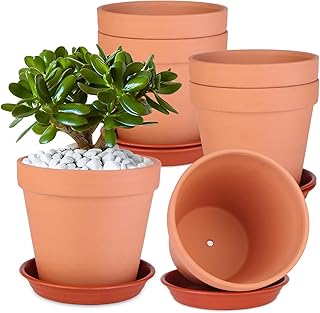
6 Pack 6 Inch Terracotta & Clay Pots with Saucer for Plants, Large Terra…
4. Layered Planting: Depth and Dimension
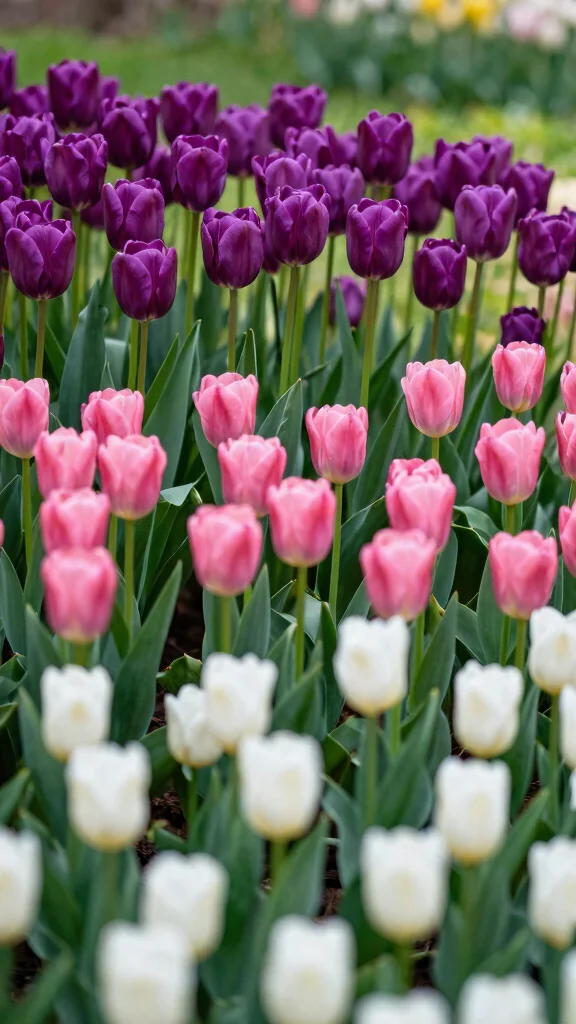
Want to add visual depth to your tulip flower bed? Try layered planting. This technique involves arranging tulips at varying heights for a stunning cascading effect.
Start by placing taller tulips at the back, then gradually add medium and shorter varieties as you move forward. This not only creates visual interest but also ensures every bloom is visible. Mixing early, mid, and late-blooming tulip varieties will keep your garden lively throughout the season.
Here are some tips for mastering layered planting:
– Place taller tulips, like Triumph varieties, at the back.
– Position shorter varieties, such as Darwin hybrids, at the front.
– Leave space between bulbs for growth and airflow.
Layered planting enhances dimension and naturally draws attention to your colorful blooms.
📹 Related Video: How to: The Layered Bed | west elm
You might also like
Layered Planting: Depth and Dimension
Editor’s Choice

Fiskars Trowel, Heavy Duty Gardening Hand Tool with Hang Hole, For Diggi…

Companion Planting for Beginners: Your Guide to Easily Introduce Natural…
5. Tulip Borders: Framing Your Garden
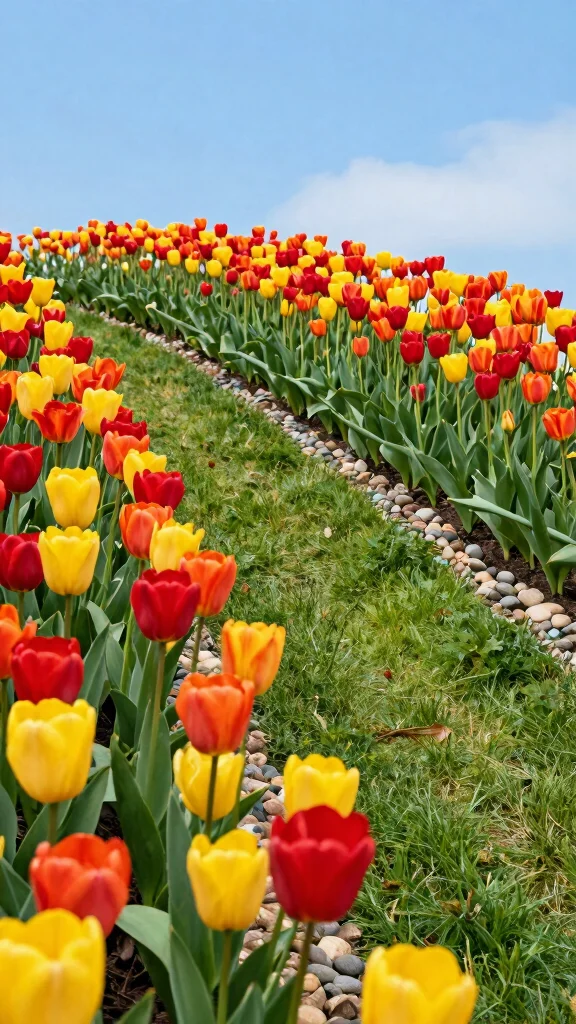
Looking to define spaces in your garden? Tulip borders can beautifully frame pathways or sections, creating a fresh and inviting atmosphere. Using tulips as a border can highlight specific areas, guiding visitors through your garden.
To create an effective border, alternate colors for rhythm or stick to one shade for a sophisticated touch. Plant shorter varieties at the front and taller ones at the back for added visual appeal. Enhancing the border with ornamental grass or low-growing plants adds extra texture.
Here are some tips for impactful tulip borders:
– Align tulips in straight lines or gentle curves to follow paths.
– Mix contrasting textures or colors for depth.
– Incorporate mulch or pebbles for a clean, finished look.
Tulip borders add structure and vibrant color, beautifying your landscape!
Tulip Borders: Framing Your Garden
Editor’s Choice
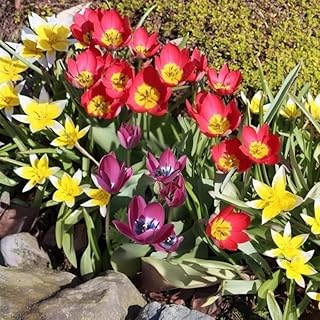
Colorful Tulipa Tarda Flowers – 24 Bulbs – Spring Blooming Tulip Collect…

Complete Spring Flower Garden | 50 Fresh Bulbs | Bloom All Spring and Su…
All-in-One Flower Garden Kit – 25 Flower Bulbs Per Box – Potluck Plantin…

All-in-One Flower Garden Kit – 25 Flower Bulbs Per Box – Potluck Plantin…

Complete Flower Bulb Garden – 75 Bulbs for 50 Days of Continuous Blooms …
6. Artistic Arrangements: Tulips in Mixed Mediums
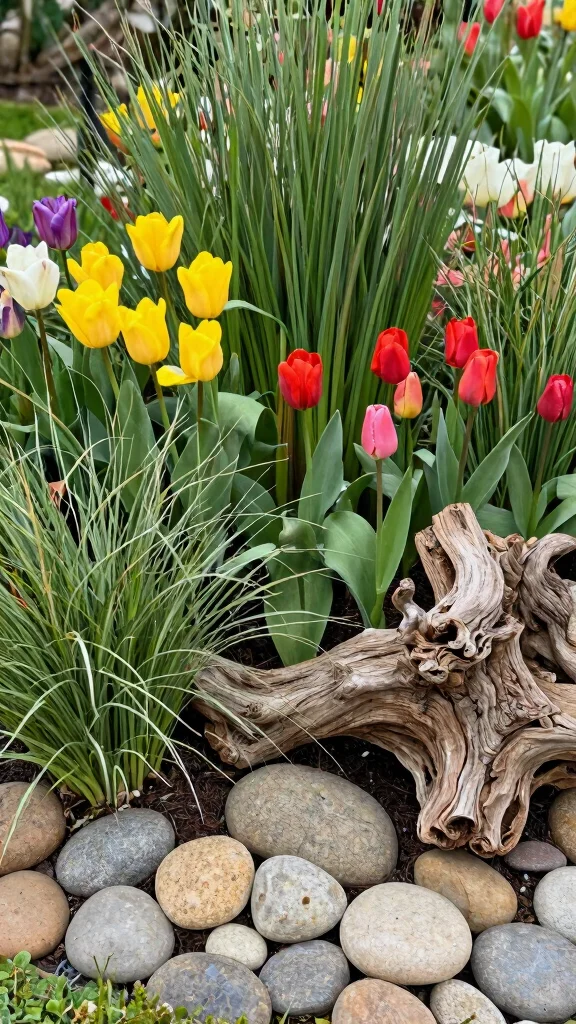
If you’re artistically inclined, consider arranging tulips in mixed mediums. This approach allows you to showcase your style using various textures and materials. Combine tulips with ornamental grasses, stones, or driftwood for a unique display that stands out.
Varying heights and shapes will catch the eye. Use taller grasses as a backdrop for your tulips, or arrange them around driftwood for a natural touch. Adding pebbles or mulch can provide a polished finish that complements the vibrant blooms.
To create artistic arrangements:
– Choose a theme or color palette for guidance.
– Mix materials like wooden planters or stone elements for intrigue.
– Play with negative space for added impact.
This creative method offers a fresh take on traditional flower beds, allowing your personal flair to shine.
When you mix tulips with grasses and driftwood in your tulip flower bed, your garden tells a story—one that grows taller than the rest in spring. Experiment with textures, set pebbles around the base, and watch color harmony emerge.
You Might Also Like


How To Choose the Right Tulip Flower Bed Design
When planning your tulip flower bed, it’s essential to take several factors into account. This ensures that your garden flourishes and that you have a vibrant display each spring. Here are the key selection criteria for creating the perfect tulip flower bed.
1. Location
Choosing the right location for your tulip flower bed is crucial. Tulips thrive in full sunlight, so look for a spot that gets at least six hours of direct sunlight each day. Also, consider the drainage in the area. Tulips don’t like soggy soil, so avoid low-lying spots that collect water. A sunny, well-drained area will set the stage for a stunning display.
2. Color Scheme
Tulips come in a wide range of colors and varieties. Decide on a color scheme that matches your garden’s overall look. You can create a monochromatic bed with various shades of one color or mix colorful tulip varieties for a vibrant effect. Think about how the colors will pop against your landscape and how they might complement other flowers.
3. Planting Depth
Understanding the proper planting depth is vital for tulip growth. Generally, tulips should be planted about 6 to 8 inches deep. This depth helps protect the bulbs from temperature fluctuations and pests. When you plant them, make sure to place the pointy end facing upward. Proper spacing between bulbs is also important. Aim for about 4 to 6 inches apart to allow enough room for them to grow.
4. Tulip Varieties
Consider which tulip varieties will work best in your garden. Some tulips bloom early in the season, while others bloom later. By mixing different types, you can extend the blooming period and enjoy tulips over several weeks. Look for popular colorful tulip varieties like Darwin Hybrid, Triumph, and Parrot tulips. Each brings its unique shape and color to your flower bed.
5. Seasonal Care
Tulips require different care throughout the seasons. After blooming, let the leaves die back naturally. This allows the bulbs to store energy for next year. Make sure to plan for watering during dry spells but avoid overwatering. In addition, consider applying a balanced fertilizer in the fall to ensure strong growth come spring.
6. Budget Considerations
Lastly, keep your budget in mind when planning your tulip flower bed. Costs can vary widely based on the type of bulbs you choose and the design you envision. Plan how many bulbs you want and explore different suppliers to find the best prices. Remember, investing in quality bulbs will pay off in stunning blooms!
Pro Tip: Before you plant, sketch a layout of your tulip flower bed. This visual aid will help you decide on colors and spacing. It also allows you to experiment with different arrangements without any commitment. Happy gardening!
Artistic Arrangements: Tulips in Mixed Mediums
Editor’s Choice
Grasses: Versatile Partners for Uncommon Garden Design
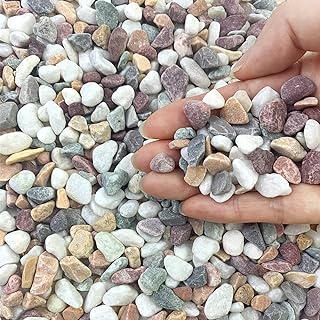
FANTIAN 5 lbs Natural Mixed Color Gravel Pebbles, 3/8 Inch Decorative Su…

50 oz Driftwood for Crafts and Decor, Mixed Size Driftwood Pieces Large …
7. Seasonal Planting Ideas: Keep Your Tulips Blooming
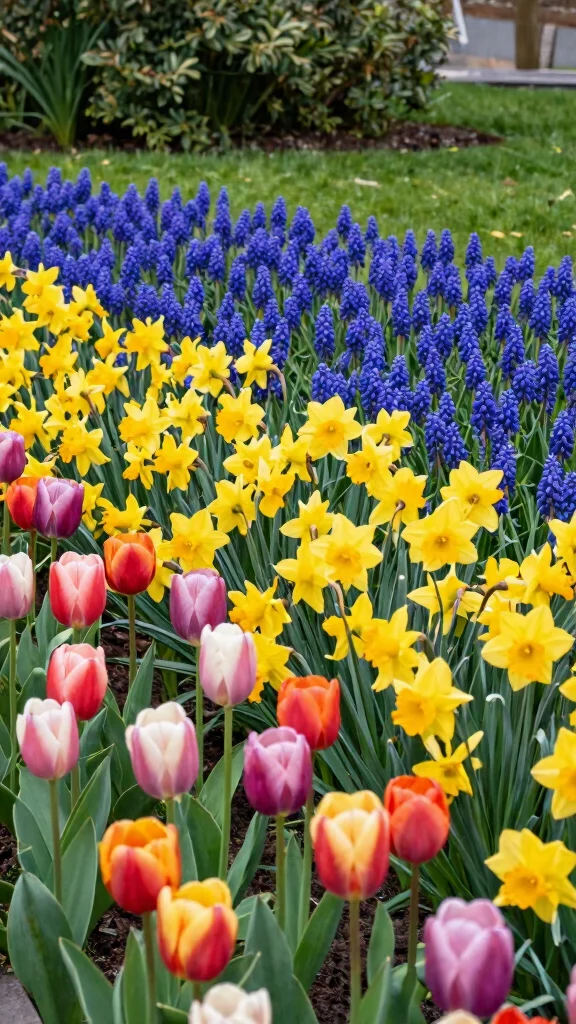
To extend the beauty of tulips beyond their bloom period, explore seasonal planting ideas. By layering your tulip bulbs with other spring flowers, you can enjoy a continuous display of blooms throughout the season.
Companion planting is crucial here. Pair tulips with flowers like daffodils or grape hyacinths that bloom at different times. This way, as one flower fades, another will take its place, keeping your garden vibrant. You can also add summer-blooming perennials to fill in gaps after tulips finish blooming.
For effective seasonal planting:
– Research bloom times to select compatible companions.
– Use interspersed placement for maximum visual impact.
– Consider foliage texture and height for balance.
With thoughtful planning, your tulip flower bed can be a stunning display of color and life throughout spring!
Did you know a tulip flower bed can bloom for 6–8 weeks when you stagger bulbs in three layers and mix daffodils and grape hyacinths? Seasonal planting ideas keep color coming—as one fade, another pops up for a longer spring show.
Seasonal Planting Ideas: Keep Your Tulips Blooming
Editor’s Choice
All-in-One Flower Garden Kit – 25 Flower Bulbs Per Box – Potluck Plantin…

Conclusion
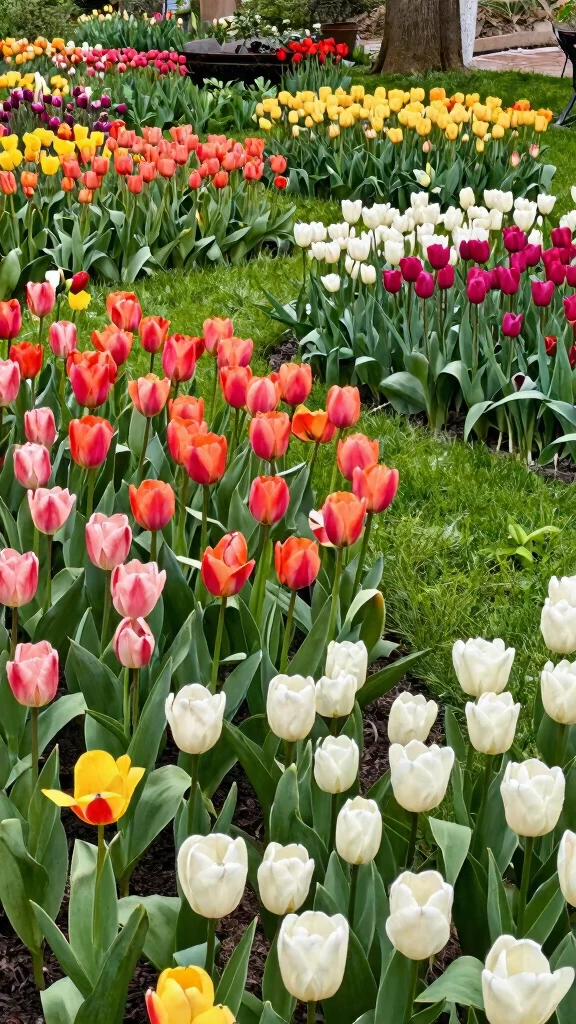
Embracing tulips in your garden can transform your outdoor space into a springtime wonderland. From monochromatic designs to mixed varieties and container arrangements, the options are endless. Each idea brings its own charm, ensuring your garden is a feast for the eyes during the season.
As you plan your tulip flower beds, remember these tips to maximize color and beauty. Let your creativity flourish, and enjoy the anticipation of spring as your tulips bloom in delightful arrangements.
Note: We aim to provide accurate product links, but some may occasionally expire or become unavailable. If this happens, please search directly on Amazon for the product or a suitable alternative.
This post contains Amazon affiliate links, meaning we may earn a small commission if you purchase through our links, at no extra cost to you.
Frequently Asked Questions
What’s the best way to start a tulip flower bed in containers for a stunning spring display?
To create a stunning tulip flower bed in containers for spring, start with the right pots: choose a large, deep container with good drainage.
Use a light, well-draining potting mix amended with compost.
Plant tulip bulbs 6-8 inches deep and 4-6 inches apart, pointed end up.
Place the pots in a sunny spot (6+ hours of sun).
Water evenly, keeping soil moist but not soggy.
Feed with a bulb fertilizer at planting and again in early spring if needed.
Group colors in blocks or with complementary hues using colorful tulip varieties for impact.
After flowering, let the foliage die back to feed the bulbs and remove spent blooms to keep the display tidy.
Add a few evergreen or ornamental grasses or annuals for later season interest to extend your spring display.
This approach gives you a vibrant tulip flower bed in containers that shines in spring.
Which colorful tulip varieties pair well in container beds and how should I plan color schemes?
For container beds, mix 2–3 colorful tulip varieties with varying bloom times to keep the display lively.
Choose colors that complement each other, balancing height with the back and front of the container.
Plan color schemes with palettes like pinks and whites for a soft look, reds and yellows for bold impact, or purples with creams for elegant contrast.
Include early-, mid-, and late-season varieties to extend the tulip flower bed display through spring.
Tip: group colors in blocks rather than a single row for stronger impact, and consider foliage textures to add depth.
For extra longevity, pair tulips with foliage accents like ornamental grasses or silver-leaved annuals that won’t crowd the blooms.
What are spring gardening tips for maintaining tulips in pots and preventing common problems?
Spring gardening tips for container tulips include choosing pots with drainage, using a fast-draining, light potting mix, and not overwatering.
Water at the base to avoid crown rot, and feed with a bulb fertilizer at planting and again in early spring if needed.
Deadhead spent flowers to keep the pot tidy, but let the foliage remain until it yellows to feed the bulbs.
Check for pests like aphids and slugs and treat promptly.
Refresh the top layer of soil or replace the entire mix every season to prevent soil compaction and disease.
In cool nights, protect pots from frost; in very hot climates, give afternoon shade.
These spring gardening tips help keep your tulip flower bed healthy and colorful.
How can I design a low-maintenance tulip flower bed in containers that still looks lush?
Create a low-maintenance look by combining only 2–3 tulip varieties with evergreen foliage and a simple filler plant.
Choose compact, disease-resistant colorful tulip varieties and plant in blocks to reduce care.
Use sturdy, drought-tolerant companions like ornamental grasses or low-growing container-friendly groundcovers.
Use a consistent, well-draining potting mix, a moisture-friendly drip irrigation or timer, and a top dressing of mulch to retain moisture.
After tulips fade, swap in seasonal annuals or foliage plants to maintain fullness without heavy maintenance.
This strategy gives you a practical, garden landscaping-inspired tulip flower bed in containers that still looks lush.
When should I plant tulip bulbs in containers for spring blooms, and how long will the display last?
For the best spring blooms, plant tulip bulbs in containers in fall—ideally 6–8 weeks before your first hard frost.
Use a deep container and plant bulbs 6–8 inches deep and 4–6 inches apart, pointed end up.
In cool climates, bulbs require chilling; in warmer areas, you can plant in late summer for a spring display.
Most tulip blooms last 1–2 weeks per variety, but you can extend the overall tulip flower bed display by staggering varieties with different bloom times and planting multiple containers with offset schedules.
After blooms fade, allow the foliage to die back naturally to feed the bulbs, then store or replant in fall for next year’s show.
Related Topics
tulip flower bed
spring gardening tips
colorful tulip varieties
container gardening
flower bed design
seasonal planting ideas
garden landscaping inspiration
beginner friendly
easy gardening
spring blooms
vibrant landscapes
creative flower beds