
Creating a beautiful backyard can feel like a daunting task, but it doesn’t have to be! With summer around the corner, I’m craving the bright colors and sweet scents that come with vibrant flower beds. There’s something magical about stepping into your own outdoor paradise, where you can relax, entertain, and enjoy nature. That’s why I put together this guide on backyard flower bed ideas. It’s packed with tips that can help you transform any dull space into a lively retreat.
If you’re someone who loves gardening or simply wants to enhance your outdoor space, this is the perfect read for you. Whether you’re a seasoned gardener or just starting out, you’ll find something here that fits your style and needs. From sustainable pollinator gardens to cozy seating spots surrounded by blooms, these ideas will inspire you to dig in and create your own little slice of heaven.
Get ready to explore 10 backyard flower bed ideas that are not only beautiful but also practical. You’ll learn how to choose the right plants, create stunning designs, and integrate flowers that attract pollinators. These tips are straightforward, effective, and sure to make your backyard the envy of the neighborhood. Say goodbye to ordinary and hello to extraordinary!
Key Takeaways
– Pollinator Paradise: Discover how to select native plants that attract bees and butterflies, creating a thriving habitat in your backyard.
– Color Palette Magic: Learn the art of themed flower beds that use color and texture to create eye-catching displays.
– Edible Beauties: Find out how to integrate vegetables and flowers for a garden that is both beautiful and functional.
– Seasonal Sensations: Explore ways to design flower beds that offer blooms throughout the year, ensuring your garden is always alive with color.
– Sustainable Practices: Get tips on eco-friendly flower bed designs that promote biodiversity and reduce your environmental footprint.
1. Pollinator Paradise: Native Plant Selections
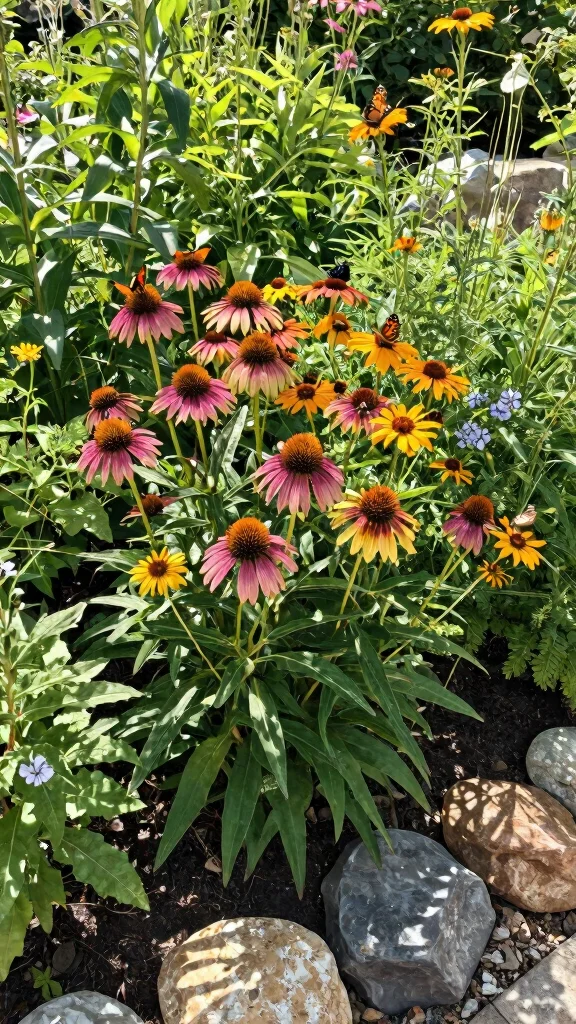
You want your backyard to be a vibrant haven for butterflies and bees. Choosing native plants not only beautifies your space but also creates a welcoming environment for essential pollinators. Plants like coneflowers, black-eyed Susans, and butterfly weed thrive naturally and require minimal care, making them perfect for any gardener looking to enhance their outdoor oasis.
These plants are perfectly adapted to your local climate, ensuring they flourish without the fuss. Mix different heights and colors to create an eye-catching display that attracts more wildlife to your garden.
Key steps for a successful native garden:
– Group plants in clusters for an inviting look.
– Incorporate seasonal layers for year-round color.
– Choose plants that bloom at different times for continuous interest.
Creating a native plant garden not only adds beauty but also supports local ecosystems, promoting a healthier environment.
Pollinator Paradise: Native Plant Selections
Editor’s Choice

Burpee Wildflower 25,000 Bulk, 1 Bag, 18 Varieties of Non-GMO Flower See…

2. Color Palette Magic: Themed Flower Beds
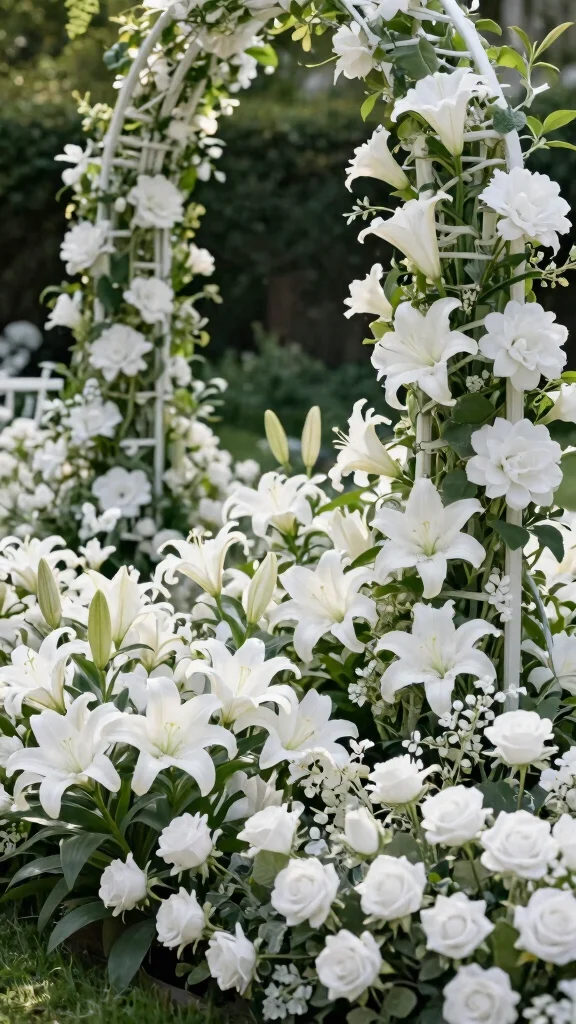
Are you ready to transform your garden into a visual masterpiece? A themed flower bed can dramatically enhance your outdoor space. Whether you opt for a monochromatic scheme with soothing blues or a lively mix of colors, a well-planned palette creates a stunning focal point that draws the eye.
Select flowers that bloom in harmony with your theme; for instance, an all-white garden featuring moonflowers and white roses can evoke a peaceful ambiance. Alternatively, a vibrant display including zinnias and marigolds can energize your space.
Tips for creating a cohesive look:
– Use varying heights and textures for added depth.
– Incorporate decorative elements like trellises for vertical interest.
– Layer flowers for a lush, full appearance.
Thoughtful flower selections create a beautiful retreat that feels both curated and inviting.
📹 Related Video: Garden Design Ideas for a New Flower Bed | Purple Perennials & More | Perennial Garden
Color Palette Magic: Themed Flower Beds
Editor’s Choice

KVR Upgraded Garden Kneeler and Seat with Thicken & Widen Soft Kneeling …

Grenebo Gardening Tools 9-Piece Heavy Duty Garden Hand Tools with Fashio…

COOLJOB 6 Pairs Gardening Gloves for Women Ladies, Breathable Rubber Coa…
3. Edible Beauties: Integrating Vegetables and Flowers
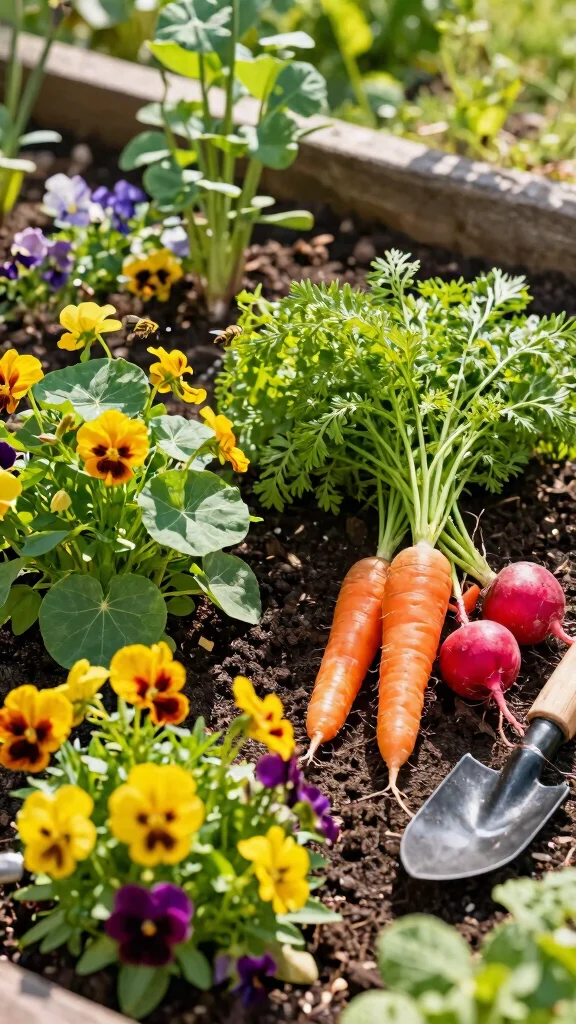
Why not cultivate beauty and utility in your garden? Edible flower beds allow you to enjoy vibrant blooms and delicious produce simultaneously. Grow eye-catching flowers like nasturtiums and pansies alongside vegetables like carrots and radishes to create a colorful, productive garden.
This combination not only attracts pollinators but also provides fresh ingredients for your meals. Consider planting herbs among your flowers for added flavor and fragrance, enhancing your garden’s appeal.
Get started with these tips:
– Employ companion planting for healthier crops.
– Use vertical gardening techniques to maximize space.
– Mix flowers with vegetables for a striking display.
Your garden can delight both the eyes and taste buds, encouraging a sustainable approach to backyard gardening.
Did you know edible flower beds attract up to 30% more pollinators than plain borders? Plant nasturtiums with carrots and herbs for color, flavor, and a practical backyard flower bed ideas approach that yields a productive, delicious space.
Edible Beauties: Integrating Vegetables and Flo…
Editor’s Choice

Garden Pack Vegetable Seeds Pouch – 50 Varieties of Vegetable, Herb & Fl…
Grenebo Gardening Tools 9-Piece Heavy Duty Garden Hand Tools with Fashio…

Yaheetech 8×2ft Wooden Horticulture Raised Garden Bed Divisible Elevate…
4. Seasonal Sensations: A Year-Round Bloom
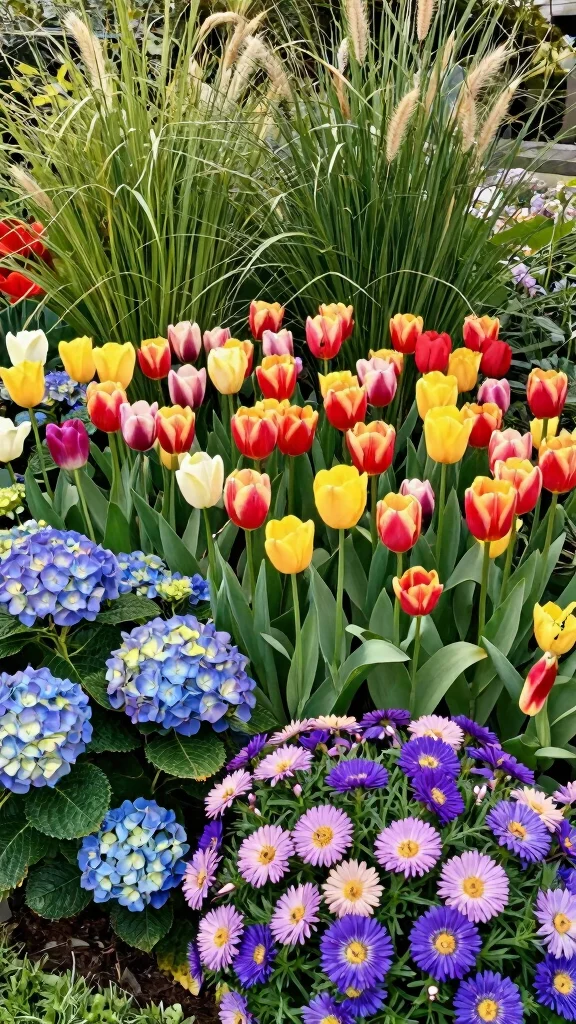
Imagine a flower bed that delights you throughout the year. By selecting a mix of seasonal flowers, you can ensure your garden remains vibrant in every season. Start with spring favorites like tulips, then transition to summer blooms such as hydrangeas.
For fall, include asters and chrysanthemums, while ornamental grasses can keep your garden interesting during winter. This careful planning guarantees something beautiful to look at all year long.
Here’s how to create a seasonal masterpiece:
– Plant bulbs for spring and summer blooms.
– Incorporate foliage that looks appealing year-round.
– Schedule planting to maintain continuous blooms.
Your flower beds can become a captivating showcase of nature’s beauty every month, bringing joy to your outdoor space.
Think of your yard as a living calendar: plant spring favorites, switch to summer colors, and let autumn hues carry you into winter grasses. With a simple rotation, your backyard flower bed ideas bloom all year and stay stunning.
Seasonal Sensations: A Year-Round Bloom
Editor’s Choice
Grasses: Versatile Partners for Uncommon Garden Design

Indoor Daisy Garden Starter Kit with Gardening Tools – Planter Bags, Mar…

FoxFarm Happy Frog Soil Conditioner, 1.5cu ft – Contains Mycorrhizae and…
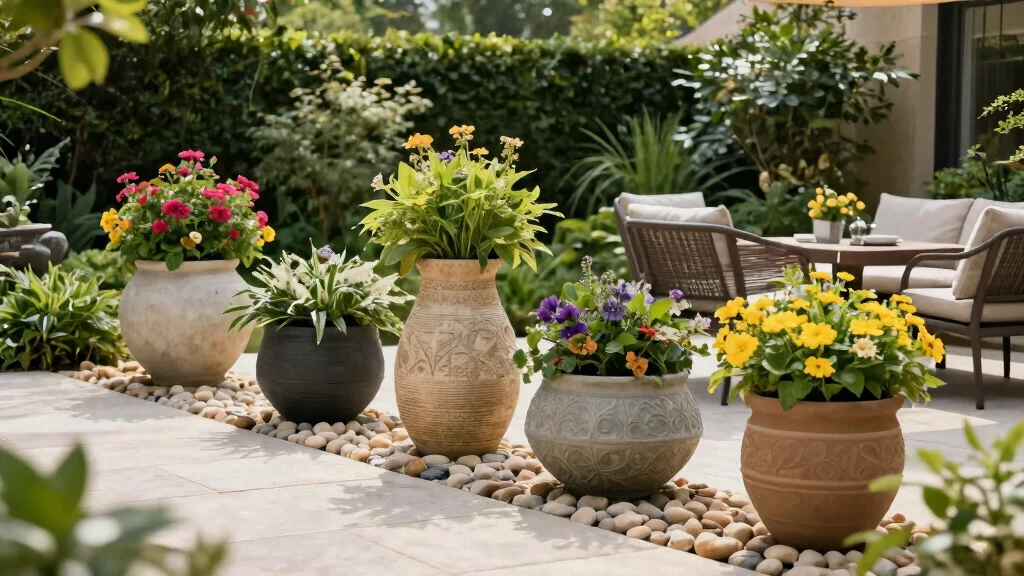
5. Zen Retreat: Minimalist Flower Beds

Looking for tranquility in your garden? Minimalist flower beds can create a Zen-like atmosphere that’s both soothing and beautiful. Focus on a few select plants, such as ornamental grasses or succulents, to keep things simple yet elegant.
Incorporate elements like gravel paths or small water features to enhance the peaceful vibe. By limiting distractions, you’ll create a serene space where every plant can shine.
Tips for achieving a minimalist design:
– Repeat a single flower variety at different heights for harmony.
– Add seating areas to encourage relaxation.
– Use natural materials to maintain a calming aesthetic.
This approach fosters mindfulness, allowing you to appreciate the beauty and simplicity of nature.
❝ Less is more in backyard flower bed ideas: a Zen retreat grows from a few carefully chosen elements, like a tall ornamental grass, a sculptural succulent, and a calm gravel path. Your space becomes soothing, intentional, and easy to maintain. ❞
You might also like

Zen Retreat: Minimalist Flower Beds
Editor’s Choice

50+ Blue Fescue Ornamental Grass/Perennial Festuca/Drought Tolerant/Sun …
Altman Plants, Live Succulent Plants (20 Pack) Assorted Potted Succulent…

40 LBS Grey Pea Gravel – Landscape Rocks – Drainage Rock – Gardening – A…
6. Vertical Gardens: Flowers in Unexpected Places

Ready to make the most of your space? Vertical flower beds can add excitement and dimension to your garden, especially in tight spots. Using wall-mounted planters or trellises filled with climbing plants like roses brings life to bare walls.
These gardens not only save space but also attract pollinators that might not visit ground-level beds. Embrace the vertical dimension to create a stunning display.
Here are some tips for successful vertical gardening:
– Ensure structures have proper support and drainage.
– Mix flowers with trailing vines for added layers.
– Utilize repurposed materials for unique designs.
A vertical garden can become a standout feature, turning your outdoor space into a floral masterpiece.
Top Varieties for Different Conditions
1. Coneflower (Echinacea purpurea)
– Best conditions: Thrives in hot, dry climates and full sun.
– Key features: This hardy perennial attracts pollinators and has beautiful, daisy-like flowers. It’s drought-tolerant and blooms from summer to fall, providing vibrant colors to your garden.
– Considerations: While it’s low-maintenance, coneflowers may need some protection in extreme winters.
2. Butterfly Bush (Buddleja davidii)
– Best conditions: Perfect for sunny spots in well-drained soil, especially in temperate regions.
– Key features: This shrub produces long spikes of fragrant flowers that attract butterflies and hummingbirds. Its colorful blooms can create a stunning focal point in your flower bed.
– Considerations: It can spread aggressively, so regular pruning is required to maintain its shape and control its growth.
3. Black-eyed Susan (Rudbeckia hirta)
– Best conditions: Grows well in various conditions, especially in sunny, open areas.
– Key features: Known for its golden-yellow petals and dark centers, this perennial brings warmth and cheer to any garden. It’s a favorite among bees and butterflies, making it a great choice for pollinator gardens.
– Considerations: It can self-seed, which may lead to more plants than you intended, so plan accordingly.
4. Sweet Alyssum (Lobularia maritima)
– Best conditions: Ideal for cooler areas or as a trailing plant in containers during hot months.
– Key features: This low-growing annual produces small, fragrant flowers that create a carpet of color. It’s excellent for edging flower beds and attracts beneficial insects.
– Considerations: Sweet Alyssum may need to be replaced annually in colder climates as it doesn’t typically survive frost.
5. Lavender (Lavandula spp.)
– Best conditions: Thrives in hot, dry climates with full sun and well-drained soil.
– Key features: Lavender is not just beautiful; it’s aromatic too. Its purple spikes add elegance while the scent wards off pests, making it a multifunctional addition to your garden.
– Considerations: Ensure proper drainage, as lavender is prone to root rot in overly wet conditions.
6. Zinnia (Zinnia elegans)
– Best conditions: Loves warm weather and is perfect for sunny spots with average soil.
– Key features: Zinnias provide a burst of color throughout the summer with their bright blooms. They are quick to grow and easy to care for, making them perfect for beginner gardeners.
– Considerations: Regular deadheading encourages more blooms but ensure they get enough water during hot spells.
7. Hostas (Hosta spp.)
– Best conditions: Thrives in shaded areas, making it ideal for gardens with less sunlight.
– Key features: Known for their lush foliage, hostas add texture and greenery even when not in bloom. They come in various sizes and leaf colors, offering versatility for different garden styles.
– Considerations: Hostas can attract slugs, so consider using organic remedies to keep them at bay.
Climate/Condition Guide:
When planning your backyard flower bed, consider your local climate.
– For temperate regions, choose hardy perennials like coneflowers and black-eyed Susans.
– In hot and dry climates, lavender and zinnias are excellent choices due to their drought resistance.
– For humid areas, butterfly bushes thrive and attract pollinators.
– If your space has limited sunlight, opt for shade-tolerant plants like hostas.
– Always assess your soil quality and drainage to ensure successful growth.
Growing Tips:
1. Use mulch around your flowers to retain moisture and suppress weeds. 🌱
2. Water deeply a couple of times a week instead of shallow daily watering, encouraging roots to grow deep. 💧
3. Rotate your flower bed designs each year to prevent soil depletion and pest buildup.
Avoid:
1. Planting all your flowers in the same spot year after year—this can lead to nutrient depletion and pest issues.
2. Over-fertilizing; it can lead to lush foliage but fewer flowers. Stick to natural compost when possible.
Vertical Gardens: Flowers in Unexpected Places
Editor’s Choice

TOREVSIOR 5-Tier Vertical Raised Garden Bed, Vertical Garden Planter wit…

RUBFAC 7.8ft Garden Arch Trellis for Climbing Plants Outdoor, Metal Arch…
100+ Mix Climbing Rose Seeds for Planting Outdoors
7. Sustainable Practices: Eco-Friendly Flower Beds
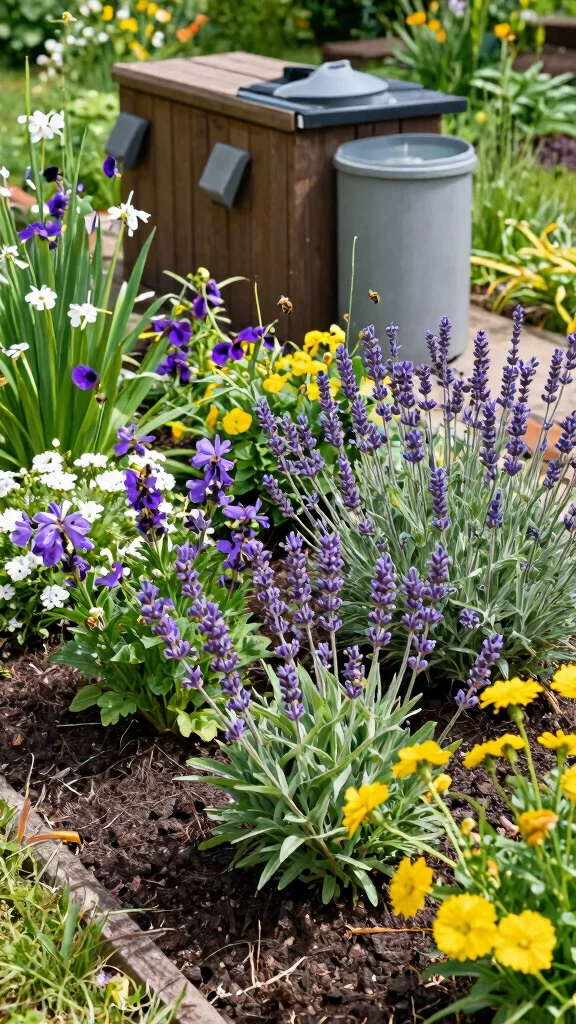
Are you passionate about the environment? Creating flower beds with sustainable practices is a great way to show it. Focus on organic gardening techniques by avoiding harmful pesticides and using natural fertilizers to nourish your plants.
Incorporate composting and rainwater collection systems to enrich your garden sustainably. Choose plants like bee balm and lavender that support local ecosystems and attract beneficial insects.
Key sustainable gardening practices:
– Create habitats for beneficial insects to balance your garden.
– Use mulch to retain moisture and suppress weeds.
– Plant native species to enhance biodiversity.
By choosing eco-friendly practices, you can beautify your space while positively impacting the planet.
Sustainable Practices: Eco-Friendly Flower Beds
Editor’s Choice

Fox Farm Big Bloom Liquid Plant Food – Organic Bloom Fertilizer for Flow…
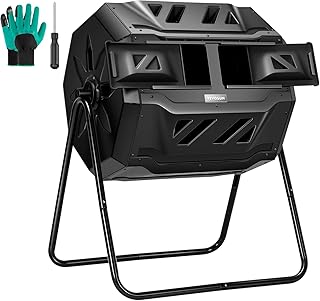
VIVOSUN Outdoor Tumbling Composter Dual Rotating Batch Compost Bin, 43 G…

RTS Home Accents 50-Gallon ECO Rain Barrel Made with 100% Recycled Plast…
8. Cozy Nooks: Flower Beds with Seating Areas

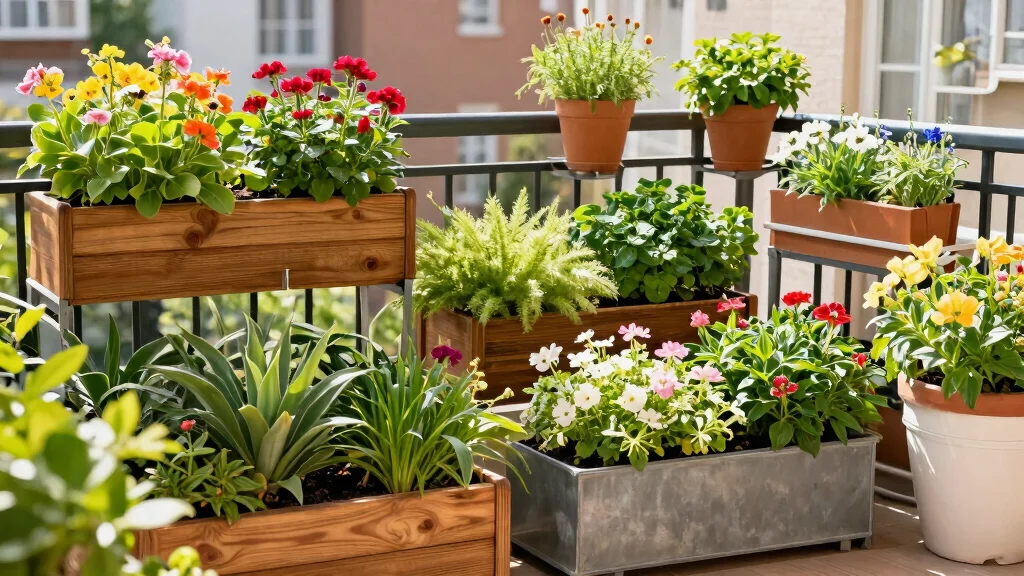
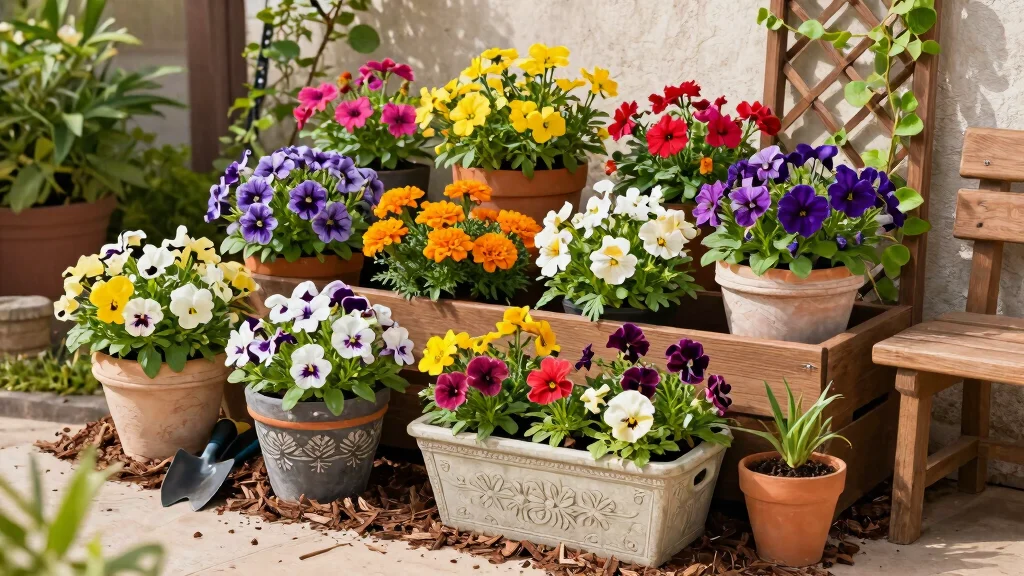
Want to create a welcoming retreat in your backyard? Flower beds with seating areas invite relaxation and enjoyment of your garden. Picture a bench surrounded by colorful wildflowers or a patio shaded by fragrant blooms.
Enhance the cozy atmosphere with colorful cushions or outdoor furniture that complements your flowers. Position seating near aromatic plants like lilacs to create a delightful sensory experience.
Tips for designing your cozy nook:
– Create pathways leading to seating areas to draw visitors in.
– Use planters to establish natural dividers between sections.
– Choose comfortable seating that encourages lingering.
Your flower beds can become not only a visual delight but also a personal escape for rest and leisure.
You Might Also Like
Cozy Nooks: Flower Beds with Seating Areas
Editor’s Choice

Large Planters for Outdoor Indoor Plants Head Face Planter Pot Unique Su…
KVR Upgraded Garden Kneeler and Seat with Thicken & Widen Soft Kneeling …

Outdoor Patio Cushion, Rocking Chair Cushion, Tufted Pads, Set of Upper …
9. Rustic Charm: Cottage-Style Flower Beds

Yearning for a charming, whimsical garden? Cottage-style flower beds exude a romantic appeal that captures the heart. By mixing perennial flowers, herbs, and ornamental grasses, you can create a delightful natural aesthetic.
Planting in clusters and letting flowers spill over pathways adds to the inviting, relaxed vibe. Incorporate rustic elements like wooden fences or trellises adorned with climbing plants to enhance the charm.
Tips for achieving cottage-style beauty:
– Mix edible plants among flowers for practical beauty.
– Include garden art or decorative stones for whimsy.
– Embrace a natural, unstructured layout.
Cottage-style flower beds evoke nostalgia and a deep connection to nature, crafting a picturesque paradise.
Rustic Charm: Cottage-Style Flower Beds
Editor’s Choice

Wells Lamont Gardening Gloves for Women – Breathable Polyester, Seamle…
Grenebo Gardening Tools 9-Piece Heavy Duty Garden Hand Tools with Fashio…

KVR Upgraded Garden Kneeler and Seat with Thicken & Widen Soft Kneeling …
10. Biophilic Design: Bringing Nature Indoors

Want to connect your garden with your home? Incorporating biophilic design principles can help create flower beds that beautify your outdoor space and seamlessly connect to your indoor living areas. Place flower beds near windows or patios to enhance natural light and create a cohesive flow between indoors and outdoors.
Select plants that complement your interior decor while attracting pollinators. This blurring of lines invites nature closer to your home.
To integrate flowers into your spaces:
– Use window boxes or planters for a touch of greenery indoors.
– Choose low-maintenance plants that thrive in both environments.
– Create a harmonious color palette that flows from outside to inside.
Embracing biophilic design fosters a deeper connection to the outdoors, enhancing your overall well-being.
Biophilic Design: Bringing Nature Indoors
Editor’s Choice

Eden Brothers All Perennial Wildflower Mixed Seeds for Planting, 1 lb, 4…
RUBFAC 7.8ft Garden Arch Trellis for Climbing Plants Outdoor, Metal Arch…

Classic Home and Garden Corinthian Trough Planter 10″ Slate Blue
Conclusion: Your Backyard Oasis Awaits

Transforming your backyard into a private paradise is all about creativity and thoughtful design. With these ten backyard flower bed ideas, you’re equipped to craft a space that celebrates nature and attracts pollinators while offering beauty throughout the seasons.
Embrace the joy of gardening, and watch your backyard evolve into a sustainable haven that invites relaxation, inspiration, and a love for the outdoors.
Note: We aim to provide accurate product links, but some may occasionally expire or become unavailable. If this happens, please search directly on Amazon for the product or a suitable alternative.
This post contains Amazon affiliate links, meaning we may earn a small commission if you purchase through our links, at no extra cost to you.
Frequently Asked Questions
What are the most practical backyard flower bed ideas to turn your outdoor space into a private paradise while attracting pollinators?
Start with a simple plan that groups sun and shade areas and thinks about privacy. Choose native, nectar-rich plants that bloom at different times to sustain pollinators all season. Use layered plant heights—low-growing groundcovers, mid-height perennials, and taller accents—to create natural screening without blocking light. Add a meandering path or a trellis to carve out cozy nooks. Mulch well and amend soil to boost garden aesthetics and plant health. Mix seasonal flowers for continuous color and set up a drip or smart irrigation system for outdoor landscaping efficiency. These steps turn basic beds into inviting spaces with true backyard flower bed ideas.
How can I design flower bed designs that look stunning but stay low-maintenance for backyard gardening tips?
Focus on native or well-adapted species that require less water and fewer inputs. Group plants by sun needs and water needs to simplify care, and choose a cohesive color palette to improve garden aesthetics. Mulch deeply to reduce weeds and conserve moisture, and install a simple drip irrigation system to minimize upkeep. Plan for seasonal flowers that peak at different times, so your bed stays vibrant with minimal effort. With thoughtful flower bed designs and smart maintenance, you get big visual impact without the hassle.
Which plants are best for a sustainable pollinator garden in a backyard flower bed?
Pick a mix of native perennials and annuals that bloom across the seasons to feed bees, butterflies, and other pollinators. Include a variety of nectar sources, from early-spring to late-fall, and plant in clusters to create abundant nectar highways. Add a shallow water source and avoid chemical pesticides to protect delicate pollinators. Group plants by bloom time and height to boost outdoor landscaping appeal and garden aesthetics while keeping the bed lively with seasonal flowers.
What maintenance routine keeps outdoor landscaping looking vibrant across the year?
Adopt a simple, seasonal routine: deadhead spent blooms to encourage new blossoms, prune for shape after flowering, and refresh mulch each spring to suppress weeds and retain moisture. Check soil moisture regularly and adjust watering for rainfall and heat. Divide overgrown perennials every few years and amend soil with compost to sustain soil health. A light, regular feeding with a balanced fertilizer can support ongoing backyard gardening tips without overload. This steady care keeps your backyard flower bed ideas looking polished year-round.
How can I create privacy and a cozy feel using garden aesthetics and flower bed designs in a small space?
Use a mix of evergreen screening plants or tall grasses to craft year-round privacy without crowding. Add vertical elements like trellises, arbors, or climbing pollinator-friendly vines to draw the eye upward and save ground space. Choose a unifying color story and vary textures to keep things interesting, while fragrant blooms add ambiance for evenings outdoors. Repeat plant groups for cohesion, install comfortable seating, and use strategic lighting to enhance mood. With thoughtful flower bed designs and careful garden aesthetics, even small spaces feel private and welcoming.
Related Topics
backyard flower bed ideas
flower bed designs
outdoor landscaping
pollinator gardens
seasonal flowers
sustainable gardening
easy gardening tips
garden aesthetics
beginner friendly
container gardening
native plants
creative landscaping