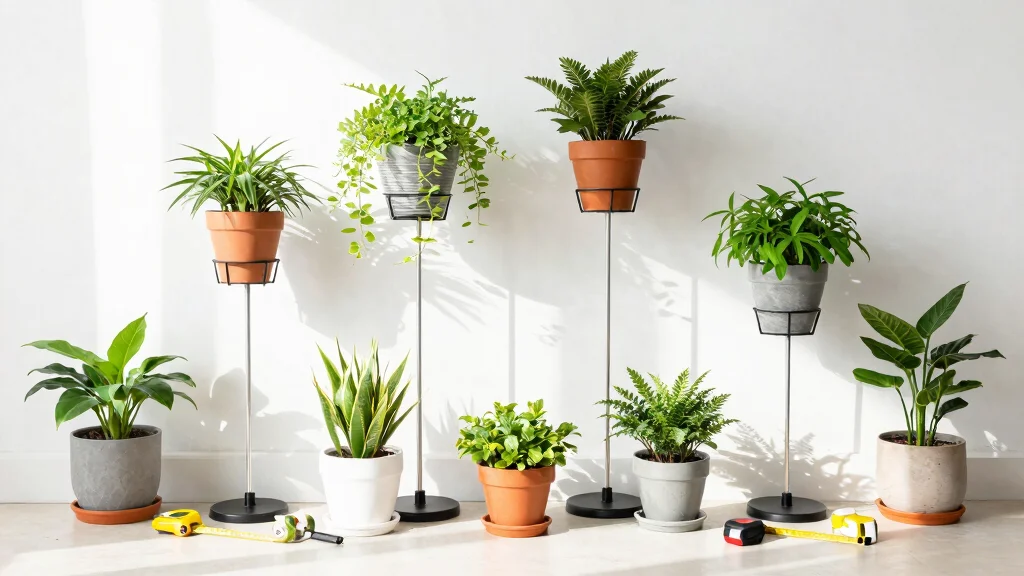
Gardening often brings out our creativity, especially when it comes to finding ways to display our beloved plants. As the trend of urban gardening continues to grow, many of us are looking for innovative solutions to make the most of our limited space. That’s why I created this post! I’m excited to share some clever ideas that can help you utilize tension rods to craft beautiful and functional plant stands.
If you love indoor gardening, decorating, or simply finding unique ways to showcase your plants, this guide is for you. Whether you’re a novice gardener or have a green thumb, these DIY tension rod plant stands are perfect for urban dwellers with a passion for home gardening projects. You’ll find inspiration to transform any corner of your home into a vibrant indoor plant display.
In this post, you’ll discover eight creative plant stand ideas, along with step-by-step guides on how to build them yourself. These projects are not only budget-friendly but also allow you to personalize your space while embracing vertical gardening. Get ready to elevate your plants and your home’s aesthetic with these genius ideas!
Key Takeaways
– Discover eight DIY tension rod plant stand ideas that maximize vertical space and enhance your indoor gardening experience.
– Learn how to create minimalist designs, corner stands, and floating shelves that fit any decor style.
– Explore practical tips for building your own tension rod plant stands with easy-to-follow instructions.
– Enjoy the benefits of showcasing herbs, climbing plants, and succulents in a way that complements your living space.
– Unleash your creativity with customizable options that allow you to adjust the height and style to suit your plants and preferences.
1. The Minimalist Vertical Rack

Discover the beauty of simplicity with a minimalist vertical rack crafted from tension rods! This design is perfect for those who appreciate a clean and modern look. By securing two tension rods vertically between shelves or walls, you can elegantly hang your plants in stylish pots. This arrangement not only saves precious space but also creates a stunning vertical garden that draws the eye upward, giving your room a more spacious feel.
Begin by measuring your space to determine the ideal height for your rods. Customize the placements of your plants to suit your style and preferences, and consider adding decorative hooks for extra flair. This setup is particularly great for trailing plants like pothos or vines that can cascade beautifully.
Key benefits include:
– Space-saving design ideal for compact living spaces.
– Adjustable heights for flexible plant arrangements.
– Perfect for showcasing cascading or trailing plants.
This elegant solution not only elevates your indoor garden but also enhances your decor with a touch of minimalist charm.
Fun fact: a simple diy tension rod plant stand can double your vertical garden in a tight space. Install two rods between shelves, hang pots, and watch a crowded corner become a clean, modern display—space-saving, stylish, and incredibly practical.
The Minimalist Vertical Rack
Editor’s Choice

Set of 2-10 Inch Hanging Planters for Indoor Plants with Self-Watering I…

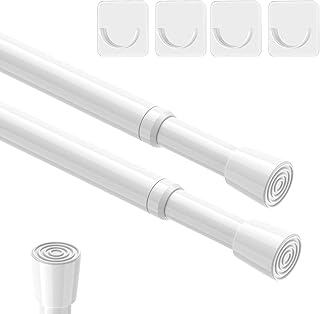
AIZESI 2pcs Spring Tension Rods Adjustable 26 to 39 inch Small Tension C…
2. Corner Tension Plant Stand
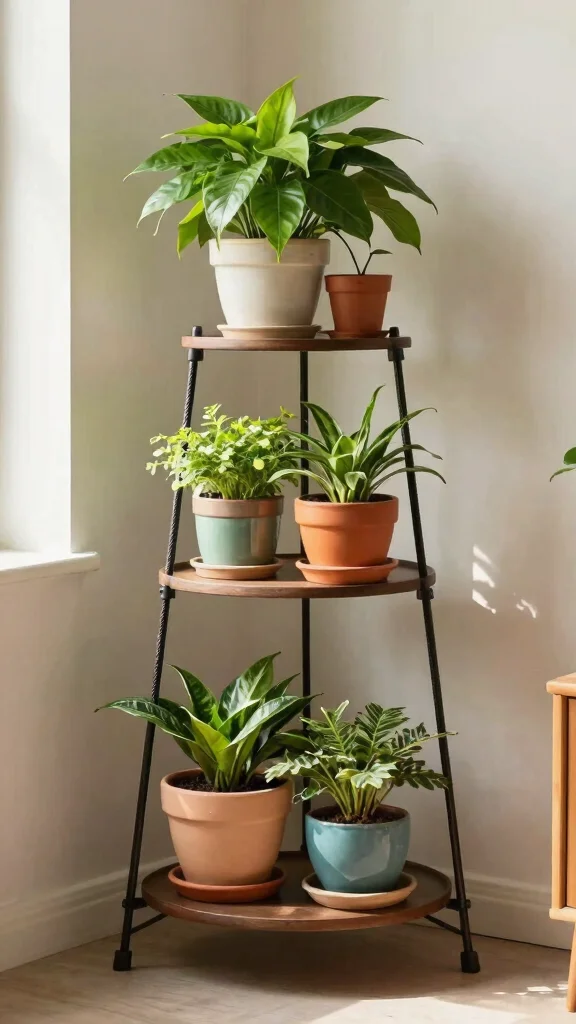
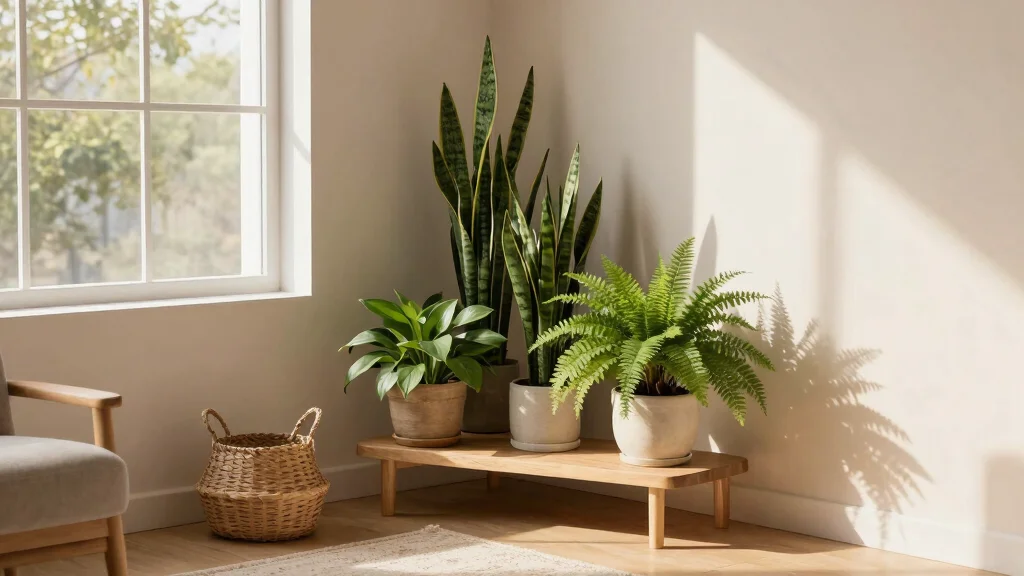
Transform those often-neglected corners into stunning plant displays with a corner tension plant stand! This clever solution allows you to utilize every inch of space while showcasing a variety of plants. By securing two tension rods in a corner, you can create a tiered arrangement that highlights plants at different heights, maximizing sunlight exposure and creating a lively atmosphere.
Start by measuring your corner to determine the best rod placement. Use pots of varying sizes to enhance the tiered look, which adds visual interest and depth to your display. This setup is perfect for showing off a mix of plants, from tall leafy greens to petite succulents.
Here’s why this idea rocks:
– Ideal for awkward spaces that lack traditional stands.
– Tiered design enhances visual appeal and plant access to sunlight.
– Perfect for displaying diverse plant types together.
By adding colorful pots, you can infuse personality into your setup, creating a vibrant green feature that enlivens your room.
📹 Related Video: Bamworld Corner Plant Stand Video of Installation 05B
Corner Tension Plant Stand
Editor’s Choice

Bamworld Window Plant Hanger Indoor Adjustable Hanging Planters for Indo…

Bamworld Plant Stand Indoor Plant Shelf Outdoor Wood Plant Rack for Mult…

Utopia Home Plant Pots Indoor with Drainage Holes – Set of 5 White Pla…
3. Floating Tension Rod Shelf
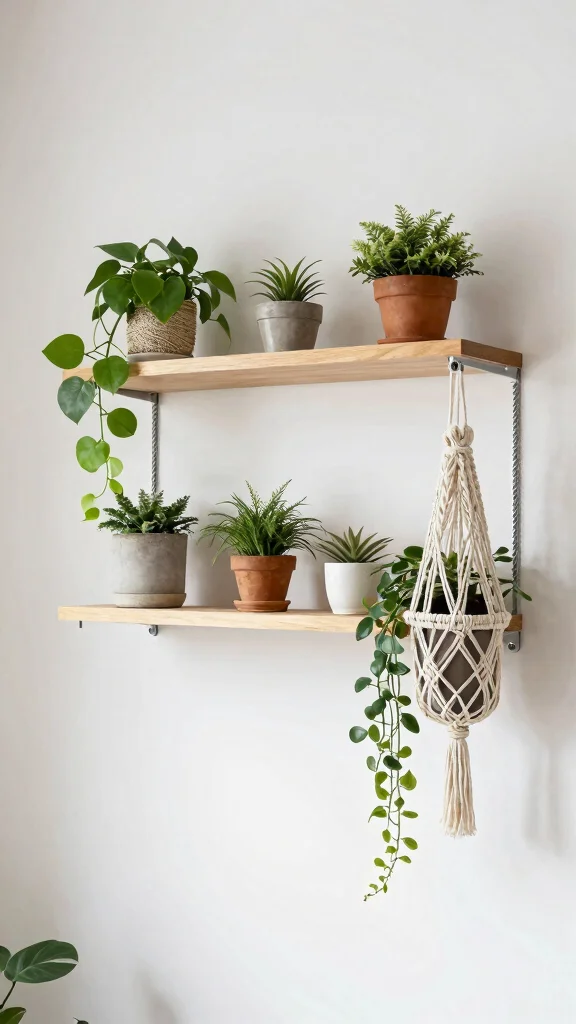
Elevate your plant display with a floating tension rod shelf that combines style and functionality! This innovative idea allows you to hang your plants alongside decorative items, creating a cohesive look in your space. By securing tension rods horizontally between two walls, you can create a shelf-like effect that holds lightweight shelves or wooden planks, making for an eye-catching floating plant stand.
Consider choosing a mix of plants and decorative items to create a visually appealing layered look. You can also adjust the height of your shelves to fit your space and style preferences. Macramé plant hangers can add a bohemian touch, while varying levels can enhance the dynamic appeal of your display.
Reasons to love this idea:
– Versatile for mixing plants with books or decorative objects.
– Creates an attractive layered look that draws the eye.
– Ideal for stylish home offices or living room decor.
This approach not only showcases your greenery but also integrates it beautifully into your home decor, blending function with style effortlessly.
Floating Tension Rod Shelf
Editor’s Choice

Artilady 2 Pack Beaded Plant Hanger Indoor – Macrame Hanging Planters fo…

No Sectional Assembly Tension Curtain Rod 56-104 Inch, 1″ Diameter Sprin…

BAYKA Floating Shelves Set of 2, 22.5 inches Farmhouse Rustic Wood Wall …
4. Tension Rod Herb Garden
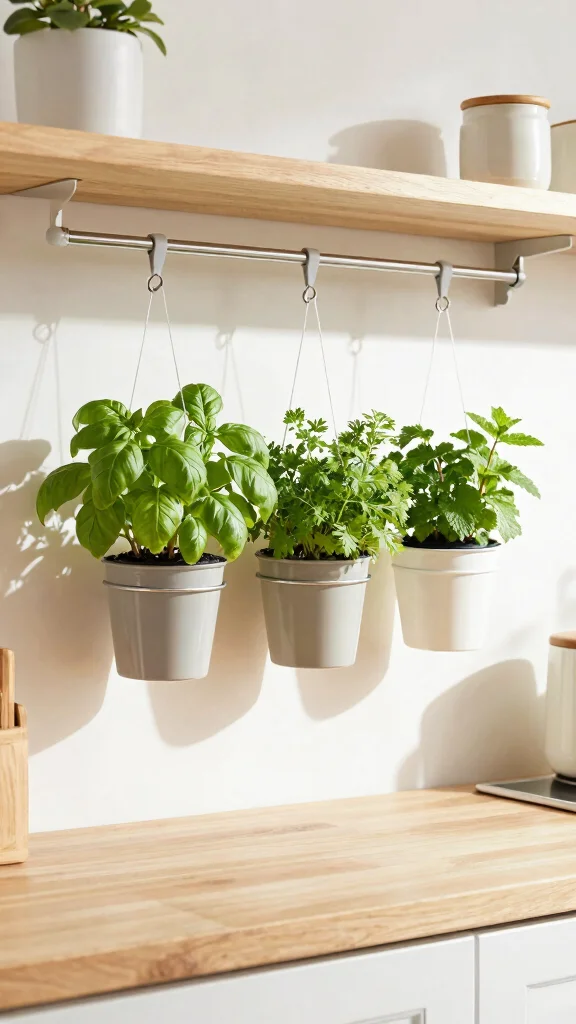
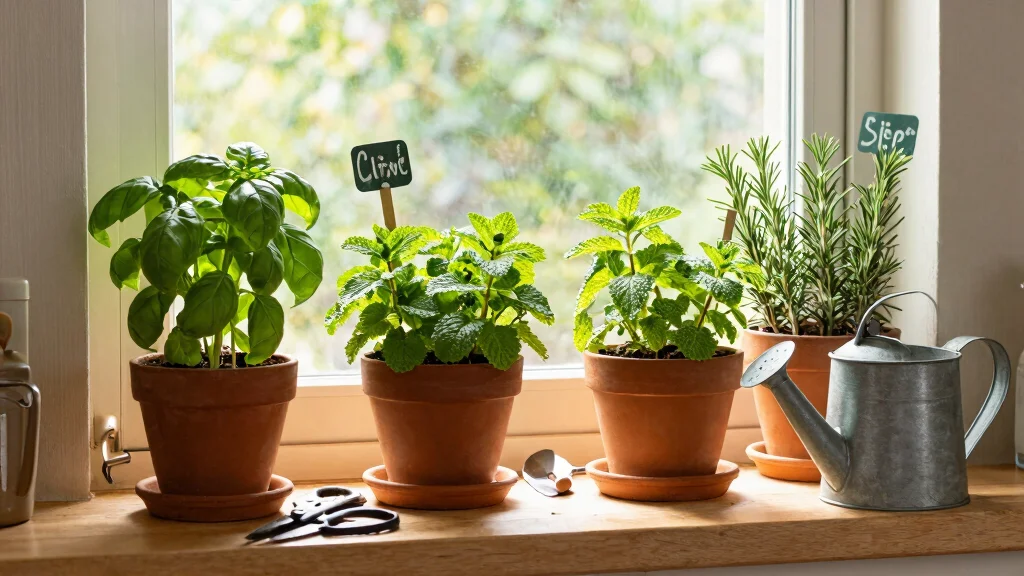
If you enjoy cooking with fresh herbs, a tension rod herb garden in your kitchen is a fantastic idea! This practical project adds a splash of greenery while keeping your favorite herbs within easy reach. Install tension rods near a sunny window and hang small pots filled with herbs like basil, mint, and thyme for a fragrant addition to your cooking space.
Start by choosing a sunny spot in your kitchen and selecting pots that match your decor. Hanging the pots keeps your counter clear and your herbs organized, while vibrant colors can enhance your kitchen’s style. You can even label each pot for a personalized touch.
Benefits of this setup:
– Fresh herbs at your fingertips for cooking convenience.
– Saves counter space while maintaining organization.
– Adds a lively and aromatic touch to your kitchen decor.
With this setup, you’ll enjoy a beautiful herb garden right in your kitchen, enhancing your culinary experience and home gardening journey.
Fun fact: A simple DIY tension rod plant stand for a herb garden can triple your harvest in a sunny kitchen—only 3 rods, 5 pots, and 10 minutes to install. Keep basil, mint, and thyme within arm’s reach while your counters stay clear.
You might also like

Tension Rod Herb Garden
Editor’s Choice

Hanging Planters, Set of 9 White Hanging Pots, 8″ Hanging Flower Pots, P…

HOME GROWN Herb Seeds for Planting 15-Pack Massive Seed Count 4,300+ See…

MEXAU 1Pack Spring Tension Curtain Rod 26-39 inch Black Adjustable Sprin…
5. Ladder Style Tension Rod Display

Introduce a rustic charm to your home with a ladder-style tension rod display for plants! This creative concept uses multiple tension rods to mimic a ladder, allowing you to showcase your plants at different heights. It’s an artistic way to incorporate vertical gardening while adding character to your living space.
Begin by planning the layout of your ladder display and securing the rods at staggered heights. This setup works beautifully for various plant types, from trailing vines to vibrant potted flowers. You can even adjust the arrangement as your plant collection grows for a fresh look.
Why this idea is fantastic:
– Serves as an artistic focal point in your room.
– Accommodates different plant types for diversity.
– Easily adjustable to expand as you acquire more plants.
Enhance the display with twinkling fairy lights or personal artwork to complement your plants. This setup not only functions as a plant stand but turns into a unique piece of art that seamlessly integrates greenery into your decor.
Ladder Style Tension Rod Display
Editor’s Choice

Cute Body Shaped Planter Fun Resin Plant Pots Indoor with Drainage Hole …

1 Pack Spring Tension Rods 28-45 Inches, 5/8 Inch Diameter White No Dril…

Furologee 5-Tier Ladder Shelf with 2 Drawers,Narrow Bookshelf Storage Sh…
6. The Over-the-Door Plant Hanger

Make the most of overlooked spaces with an over-the-door tension rod plant hanger! This clever solution allows you to add greenery to your home without sacrificing floor space. Simply secure a tension rod above any door and hang your favorite plants in stylish pots for a bold statement.
Choose large, vibrant plants to create a dramatic effect, or opt for smaller ones for a subtle touch. This method is flexible, allowing you to switch out plants seasonally or whenever you desire.
Here’s what we love about this idea:
– Perfect for maximizing space in small homes.
– Brightens plain doorways with color and life.
– Easy to change plants for seasonal updates.
Consider trailing plants for a stunning cascade effect, enhancing your indoor plant display and turning every doorway into a mini garden.
Fun fact: a diy tension rod plant stand above a door can free up floor space while holding vibrant plants, creating a dramatic focal point. It’s easy to switch pots seasonally, and you can customize height for safety and style.
The Over-the-Door Plant Hanger
Editor’s Choice

Mkono Ceramic Hanging Planter of Shallow 8 Inch and Deep 6 Inch for Indo…

Black Spring Tension Curtain Rod 28-52 Inches, 7/8″ Diameter Adjustable …
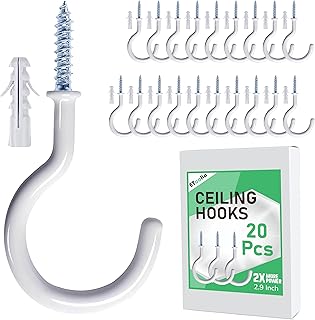
20 Pcs Ceiling Hooks for Hanging Plants – 2.9 inches Heavy Duty, Hanging…
7. Tension Rod Plant Divider
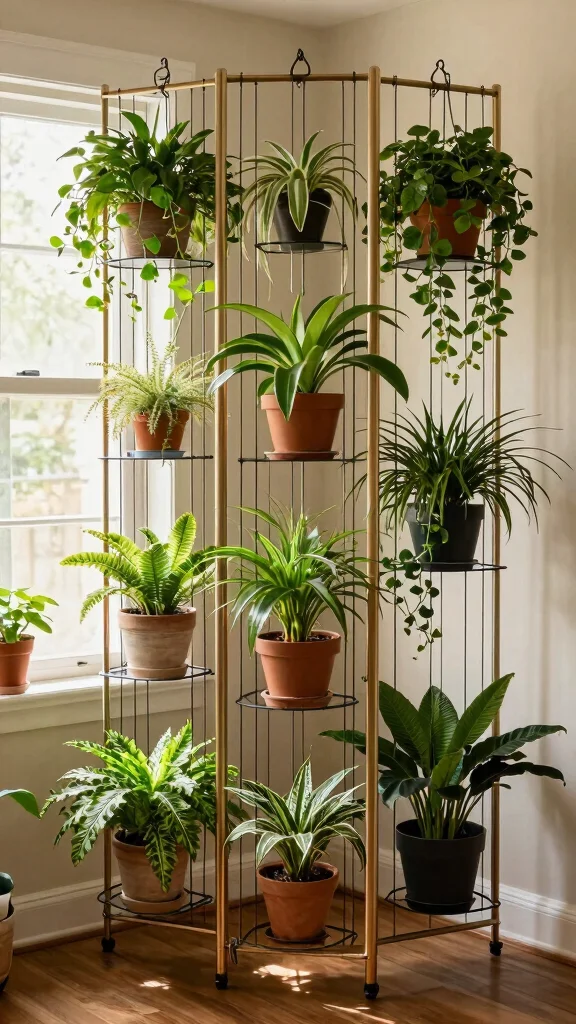
Create a distinctive plant divider in your home using tension rods to separate spaces while showcasing plants beautifully! This innovative idea allows you to add privacy in open-plan living areas while keeping your indoor plants prominently displayed. Simply install multiple tension rods vertically to create sections for your plants.
Start by determining where you want to divide your space and install the rods accordingly. This setup not only acts as a subtle barrier but also serves as a beautiful green backdrop for furniture or artwork.
Reasons to consider this idea:
– Defines areas in larger rooms without permanent changes.
– Showcases diverse plants and styles in one space.
– Acts as a stunning backdrop for your decor.
For a personalized touch, wrap the tension rods with decorative twine or fabric. Overall, this stylish solution brings nature indoors while creating functional space separation.
You Might Also Like

Difficulty Rating & Requirements
Overall Difficulty Rating: Medium
Creating a DIY tension rod plant stand can be rated as medium in difficulty. This project is suitable for those with some crafting experience but is still accessible for beginners willing to learn. If you have basic tools and a knack for following instructions, you’ll likely find this project rewarding and manageable.
Time Estimate:
⏱ Estimated time: 3-6 hours
The time required varies depending on the complexity of the design you choose. Here’s a breakdown of major phases:
– Planning & Design: 1-2 hours to gather ideas and sketch your plant stand.
– Materials Gathering: 1 hour for shopping or sourcing materials.
– Building & Assembly: 1-3 hours depending on the complexity of your chosen design.
Skill Requirements:
– Required skills: Basic measuring and cutting, some assembly skills using simple tools
– Beginner-friendly: Yes! If you’re willing to learn basic techniques, this project is suitable for you.
– Skills that can be learned: Measuring, cutting, and assembling.
– Skills requiring experience: Advanced woodworking techniques (if you choose intricate designs).
Tools & Materials Needed:
🧰 Essential items checklist:
– Tension Rods (Required) – These are the main structure for your stand.
– Screwdriver (Required) – For assembling pieces together.
– Measuring Tape (Required) – To ensure precise measurements.
– Saw (Optional) – If you’re cutting wood or other materials to size.
– Wood Glue (Optional) – For added stability in your design.
– L Brackets (Optional) – To reinforce joints if needed.
– Decorative Planters (Required) – To hold your plants.
– Paint or Stain (Optional) – For finishing touches and personal flair.
Step-by-Step Overview:
– Phase 1: Planning (1-2 hours) – Start by selecting a design that fits your space and style. Sketch out dimensions and gather inspiration.
– Phase 2: Gathering Materials (1 hour) – Head to your local hardware store or check online for essential supplies. Don’t forget to check what you may already have at home.
– Phase 3: Building (1-3 hours) – Measure and cut your materials as needed. Follow your design plans and assemble the pieces carefully. Take your time to ensure everything is secure.
– Phase 4: Finishing Touches (Optional, 30 mins to 1 hour) – Paint or stain your stand for a personalized look. Allow it to dry thoroughly before adding your plants.
Professional vs DIY:
Rough cost comparison: A professional plant stand can range from $100 to $300, depending on the materials and craftsmanship. In contrast, creating your own DIY tension rod plant stand may cost you between $20 to $50, depending on your material choices. If you’re handy and enjoy crafting, this DIY project can be a fulfilling way to save money while enhancing your indoor plant display. If you lack the tools or time, hiring a professional might be a better option for you.
Tension Rod Plant Divider
Editor’s Choice
AIZESI 2pcs Spring Tension Rods Adjustable 26 to 39 inch Small Tension C…
8. Customizable Tension Rod Stand
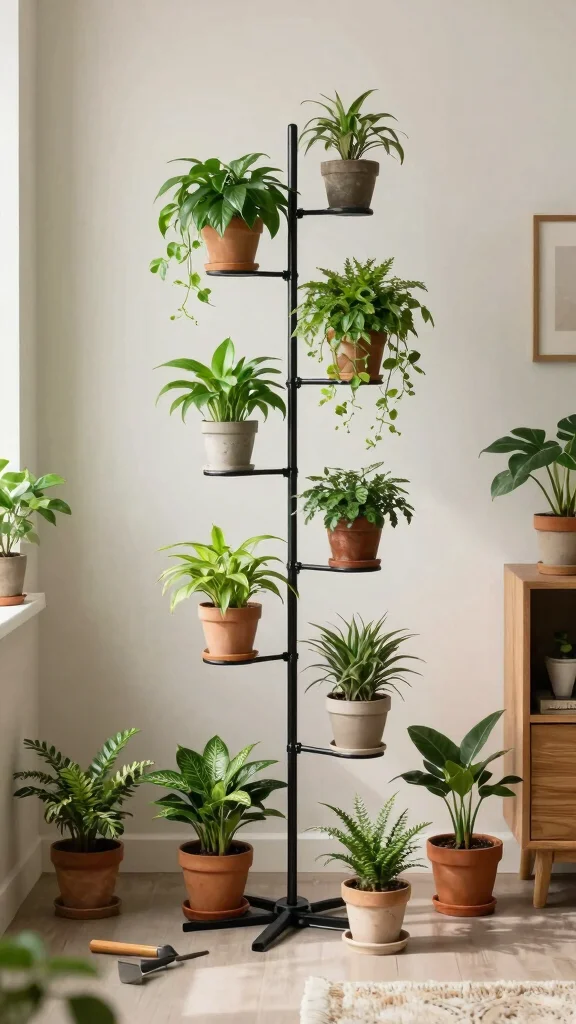
Unleash your creativity with a customizable tension rod stand designed to fit your gardening needs! This project is all about personalizing how you display your plants, allowing for frequent changes in arrangement. Create a flexible system with adjustable tension rods that can be easily repositioned to accommodate different plant sizes or styles.
Begin by planning your layout to ensure flexibility. Incorporate hooks for hanging tools or decorative items to enhance both functionality and aesthetics. This stand encourages you to explore new plant arrangements and keep your display fresh.
What makes this idea special:
– Total flexibility in arranging and displaying plants.
– Simplifies maintenance, allowing for easy swaps.
– Fosters creativity in designing your indoor space.
With endless possibilities, this tension rod stand can grow with your gardening journey, giving you the freedom to experiment and refresh your indoor decor as you wish.
Customizable Tension Rod Stand
Editor’s Choice
AIZESI 2pcs Spring Tension Rods Adjustable 26 to 39 inch Small Tension C…

ESFUN 6 Pack 12 inch Extra Large S Hooks Black Heavy Duty Long S Hooks f…
Conclusion

These eight DIY tension rod plant stands offer a combination of creativity and practicality for any urban gardener.
As you explore these ideas, remember that adding plants to your space is not just about decoration; it’s about creating a green sanctuary in your home.
Now that you have various options at your fingertips, get started on one of these projects and watch your indoor garden flourish!
Note: We aim to provide accurate product links, but some may occasionally expire or become unavailable. If this happens, please search directly on Amazon for the product or a suitable alternative.
This post contains Amazon affiliate links, meaning we may earn a small commission if you purchase through our links, at no extra cost to you.
Frequently Asked Questions
What is a diy tension rod plant stand and where can I use it effectively?
A diy tension rod plant stand is a space-saving display that uses adjustable tension rods to create shelves for pots without drilling. It’s ideal for vertical gardening, indoor plant display, and urban gardening solutions in apartments and small homes.
Getting started: measure your available height and width, select extendable rods, cut or repurpose boards for shelves, sand and seal wood, add non-slip padding, and slide the shelves into place on the tension rods. Start light with a couple of small pots, then add more as you test stability.
Tip: use this design to keep greenery off floors while keeping your plants in bright spots.
Can diy tension rod plant stands help with vertical gardening in small spaces?
Absolutely. A few slim, adjustable shelves let you stack pots upward, turning any blank wall into vertical gardening space and indoor plant display area. Place them near a window for sun, use varied heights for a dynamic look, and mix plant sizes for a true urban garden vibe.
Practical setup tips: align rods with door frames or window casings, use lightweight planters, and test stability by loading gradually. This approach is perfect for home gardening projects and creative plant support within apartments.
What materials and tools do I need to build a diy tension rod plant stand safely?
You can pull this off with a few common items: a set of extendable tension rods, inexpensive wooden boards or sturdy shelves, non-slip shelf liners, end caps or rubber pads, and basic woodworking supplies like sandpaper and wood sealant.
Safety tips: choose pots that match the stand’s weight, distribute weight across multiple shelves, and start with a light load before adding heavier pots. Keep kids and pets in mind by anchoring stations away from high-traffic areas. This is a home gardening project that rewards careful planning and testing.
How do I adjust or resize a diy tension rod plant stand for different spaces or pot sizes?
Make it modular. Use extendable tension rods, swap in taller or shorter boards as needed, and add or remove shelves to fit your space. Place shelves at staggered heights for airflow and easier watering. Use creative plant support ideas like L-shaped shelves or asymmetrical stacks to accommodate varied pots.
Pro tip: measure every potential spot (window, doorway, closet) and use non-slip mats to keep everything stable.
How much weight can a tension rod plant stand hold and how can I reinforce it for heavier pots?
Weight varies by rod type, space, and shelf material, so start light and test gradually. A good rule is to keep total load well below the rod’s rated capacity and distribute weight evenly across shelves. If you need more heft, add a second rod per level, use thicker boards, or create a wider base with cross-bracing.
By reinforcing correctly and choosing sturdy pots and planters, you can enjoy a durable indoor plant display that supports your urban gardening solutions without nails or screws.
Related Topics
diy tension rod
plant stand ideas
vertical gardening
indoor plant display
home gardening
creative plant support
small spaces
budget friendly
beginner friendly
easy projects
urban gardening
space-saving solutions