
Creating a beautiful garden might seem daunting, especially for those of us living in urban spaces. You might find yourself craving the vibrant colors and lively atmosphere that flower beds provide, but feel overwhelmed by the upkeep required. That’s where the magic of a flower bed with potted plants comes in. These flexible arrangements can breathe life into any outdoor area, allowing for quick changes and seasonal swaps without the hassle of traditional gardening.
If you are someone who loves gardening but struggles with space limitations or finds the idea of caring for a large garden too much to handle, this post is for you. We’ve pulled together seven inspiring ideas that combine container gardening with beautiful floral displays. Each suggestion is accessible, practical, and adaptable to your unique style. Whether you are a seasoned gardener or just starting out, you will find creative ways to enhance your outdoor space.
In this guide, you will discover innovative arrangements that are both stunning and easy to maintain. From seasonal swaps to themed arrangements, you will get tips on how to create a garden that reflects your personality and changes with the seasons. Let’s explore how to turn your garden into a beautiful haven with minimal fuss!
Key Takeaways
– Layered Heights for a Dynamic Display: Use pots of varying heights to create visual interest and depth in your garden design. This approach draws the eye and enhances the overall aesthetic.
– Seasonal Swaps for Year-Round Beauty: Change your potted plants with the seasons to keep your garden looking fresh and lively. Choose flowers that bloom at different times to ensure beauty throughout the year.
– Themed Arrangements for a Unique Touch: Organize your potted plants based on a specific theme—like color schemes or types of plants. This adds a personal flair to your space and makes it more inviting.
– Vertical Gardens for Space-Saving Solutions: Maximize limited space by using vertical planters. They allow you to grow a variety of plants while keeping your garden organized and clutter-free.
– Edible Flower Beds for a Functional Twist: Incorporate edible plants into your flower beds. This way, you can enjoy the beauty of flowers while harvesting fresh ingredients for your meals.
1. Layered Heights for a Dynamic Display

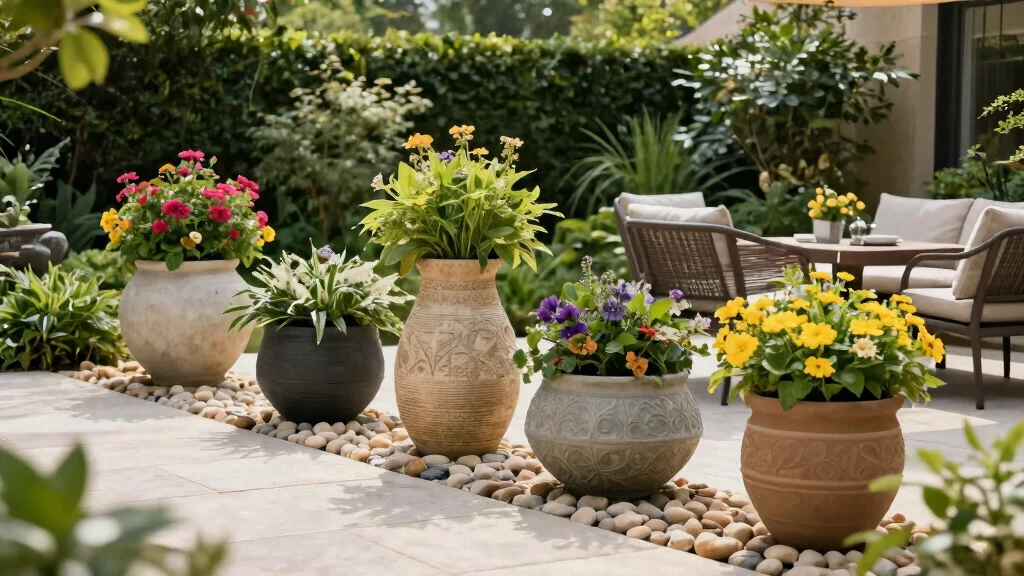
Creating a stunning visual display in your flower bed starts with layered heights. By using pots of different sizes, you can add depth and intrigue to your garden. Imagine a tall sunflower standing proudly next to shorter pots of colorful petunias and trailing thyme. This arrangement not only captivates the eye but also helps the smaller plants thrive in the shade provided by the taller varieties.
To achieve this layered look, focus on a few key strategies. Start by selecting pots of various heights to enhance the visual appeal. Choose plants that complement each other in color and consider their growth patterns to avoid overcrowding.
Key steps to create layered heights:
– Mix different pot sizes for visual interest
– Select plants with harmonious colors for cohesion
– Be mindful of plant growth to ensure optimal spacing
This approach results in a vibrant tapestry of colors and textures that you can easily rearrange as seasons change, making it a perfect choice for flexible flower beds.
Layered Heights for a Dynamic Display
Editor’s Choice

iDavosic.ly Plant Stand Indoor Outdoor, 5 Tier Corner Metal Flower Displ…


8/10/12 Inch Self Watering Pots for Indoor/Outdoor Plants – Large Plasti…

SwinDuck 20 Pack 6 Inch Plant Pots with Drainage and Saucers, Plastic Fl…
2. Seasonal Swaps for Year-Round Beauty

One of the greatest joys of container gardening is the ability to make seasonal swaps. This flexibility allows you to refresh your flower bed as the seasons change, keeping things exciting. For instance, start with cheerful pansies in spring, transition to vibrant geraniums in summer, and finish with warm chrysanthemums in the fall.
To effectively manage these seasonal changes, consider a few important tips. Plan ahead by selecting plants that thrive in specific seasons and share similar care requirements. Refreshing the soil with nutrient-rich mixes during swaps can support new growth.
Here’s how to manage seasonal changes:
– Plan your plant selection according to seasonal needs
– Refresh soil to promote healthy growth
– Integrate evergreen plants for year-round structure
This strategy keeps your flower bed lively and engaging all year long, allowing you to showcase your unique gardening style.
Seasonal Swaps for Year-Round Beauty
Editor’s Choice

KINGLAKE 100 Pcs 6 x10cm Plastic Plant T-Type Tags Nursery Garden Labels

YNNICO Indoor Self Watering Planters with Drainage Holes and Saucers, 8,…

Grenebo Gardening Tools 9-Piece Heavy Duty Garden Hand Tools with Fashio…
3. Themed Arrangements for a Unique Touch

Elevate your flower bed with themed arrangements that reflect your personality. Choose a theme that resonates with your style or complements your home’s aesthetic. A tropical theme could feature bright hibiscus and lush ferns, while a shabby chic look might incorporate pastel pots with fragrant flowers like lavender.
Themed arrangements provide endless opportunities for creativity. Start by selecting a cohesive color palette that aligns with your theme, and mix different textures to add depth. Personal touches, like decorative stones or themed ornaments, can further enhance your display.
Ideas for creating themed arrangements:
– Choose a color scheme that fits your theme
– Include diverse textures for visual interest
– Add personal elements to showcase your creativity
With themed arrangements, you’ll create a beautiful garden that reflects your unique taste and style.
Fun fact: themed arrangements can cut maintenance time by up to 40%. When you choose a cohesive color palette and mix pots with intentional textures, your flower bed with potted plants looks purposeful and refreshes easily.
Themed Arrangements for a Unique Touch
Editor’s Choice

Burpee, 9 Quarts | Premium Organic Potting Natural Soil Mix Food Ideal f…

Gepege 6 Inch Beaded Ceramic Planter Set of 2 with Drainage Hole and Sau…
4. Vertical Gardens for Space-Saving Solutions

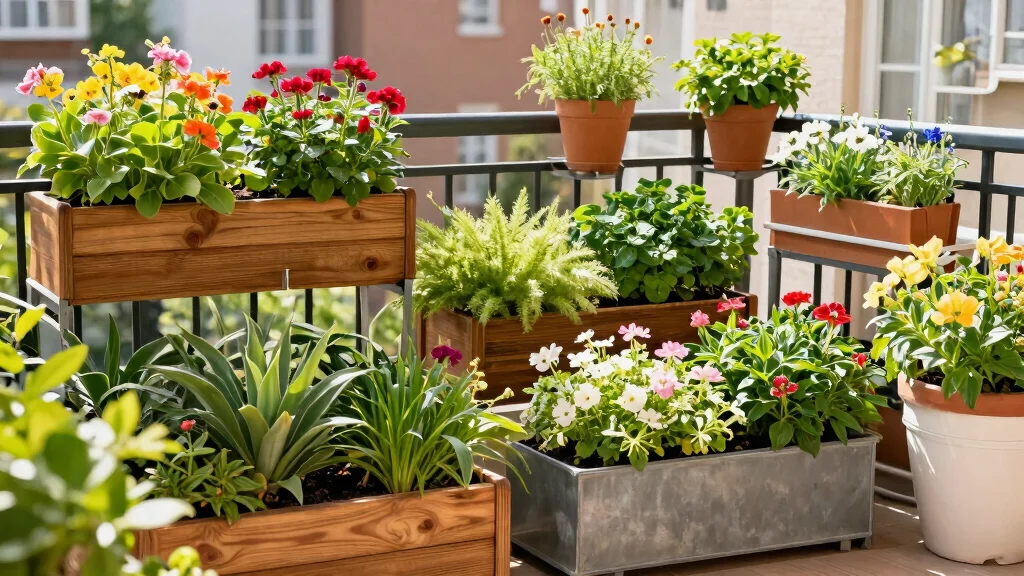
If space is limited, consider a vertical garden setup for your flower bed. Utilizing wall-mounted pots and tiered plant stands allows you to create an eye-catching display that maximizes vertical space. This innovative approach not only conserves space but also introduces a new layer of interest to your garden.
To get started with vertical gardening, focus on a few essential tips. Use wall planters designed for multiple plants to create a stunning living wall. Arrange pots at varying heights on tiered stands to enhance visual appeal. Choose trailing plants like ivy to soften the vertical lines with a cascading effect.
Steps to create a vertical garden:
– Opt for wall-mounted pots for a living wall effect
– Arrange pots at different heights for interest
– Use trailing plants for a soft, cascading look
This method allows you to enjoy a flourishing garden even in tight spaces, making it easy to change and rearrange as you please.
📹 Related Video: How To Make A Vertical Garden With Automatic Watering To Grow Vegetables
You might also like
Top Varieties for Different Conditions
When creating a flower bed with potted plants, picking the right varieties is key. Different conditions can affect your plant choices. Below are some recommendations for various climates and situations. Each option offers unique beauty and functionality for your urban garden.
1. Petunias
– Best conditions: Cool to warm climates, great for containers.
– Key features: Petunias bloom in a wide range of colors and are known for their ability to withstand heat. They create a beautiful, cascading effect in pots.
– Considerations: They require regular watering and might need deadheading to promote more blooms.
2. Herbs (Basil, Thyme, Mint)
– Best conditions: Moderate climates with plenty of sunlight.
– Key features: These herbs not only add flavor to your meals but also bring delightful fragrances to your garden. They are perfect for a functional flower bed.
– Considerations: Some herbs can spread quickly; consider planting them in separate containers to manage growth.
3. Succulents
– Best conditions: Hot and dry climates.
– Key features: Succulents are low-maintenance and come in various shapes and colors. Their ability to store water makes them ideal for busy urban gardeners.
– Considerations: Overwatering can lead to root rot, so ensure pots have good drainage.
4. Begonias
– Best conditions: Humid and partially shaded areas.
– Key features: Begonias have striking foliage and vibrant blooms, adding a pop of color to shaded spots in your garden. They thrive in moist conditions.
– Considerations: They may need protection from harsh winds and direct sunlight to prevent leaf burn.
5. Marigolds
– Best conditions: Full sun and well-drained soil.
– Key features: Marigolds are known for their pest-repelling properties. Their bright colors make them a popular choice for adding cheer to any flower bed.
– Considerations: They can become leggy if not pruned, so regular maintenance is required.
6. Fuchsia
– Best conditions: Cooler climates with some shade.
– Key features: Fuchsia plants produce stunning, pendulous flowers. They are perfect for adding vertical interest to your potted arrangements.
– Considerations: They need regular watering and may drop flowers if stressed from heat.
7. Ornamental Grasses
– Best conditions: Adaptable to many climates but prefers sunny spots.
– Key features: Grasses add texture and movement to flower beds. They are a great backdrop for colorful blooms and can be used in mixed arrangements.
– Considerations: Some varieties can spread quickly, so choose pots that can contain their growth.
Climate/Condition Guide:
– Temperate: Choose versatile plants like petunias and marigolds. These can handle varying temperatures well.
– Continental: Look for hardy plants such as begonias and ornamental grasses that can withstand cold snaps.
– Coastal: Opt for salt-tolerant options like succulents. These thrive near the ocean breeze.
– Hot/Dry: Succulents and herbs are excellent choices in these conditions, requiring minimal water.
– Humid: Fuchsia and begonias flourish in moisture, making them suitable for these areas.
Growing Tips:
– Water regularly, especially in hot months. Potted plants can dry out quickly.
– Use good quality potting soil to ensure healthy growth.
– Rotate your plants seasonally for variety. This also helps maintain soil nutrients.
Avoid:
– Overwatering your plants, as this can lead to root rot.
– Choosing plants that are not suited for your climate. Research is essential to ensure success.
With these tailored recommendations, you can create a flexible and beautiful flower bed with potted plants that will adapt to your needs and style! 🌼
Vertical Gardens for Space-Saving Solutions
Editor’s Choice

Hanging Planting Grow Bags, 90 Pockets Wall Planter Wall Mounted Grow Ba…

Gardyn Studio 1 Vertical Hydroponics Growing System Kit – 16 Non-GMO Pla…

Plant Stand indoor outdoor-3 Tier black Tall Metal Flower Pot Holder 9in…
5. Edible Flower Beds for a Functional Twist

Why not blend beauty with functionality? An edible flower bed allows you to enjoy fresh herbs and colorful blooms side by side. Imagine a charming setup featuring pots of edible nasturtiums alongside fragrant rosemary and vibrant marigolds. This combination encourages a healthy lifestyle while adding diversity to your garden.
To successfully create an edible flower bed, keep a few practical tips in mind. Select edible flowers that are both safe and flavorful, like pansies. Incorporate culinary herbs that enhance both beauty and utility. Plan for companion planting to ensure visual appeal and mutual growth benefits.
Tips for creating an edible flower bed:
– Choose safe and tasty edible flowers
– Include culinary herbs for added beauty
– Use companion planting for optimal growth
Creating an edible flower bed not only beautifies your space but also offers delicious culinary delights right from your garden.
Did you know a flower bed with potted plants can feed your cravings and your curb appeal? Edible nasturtiums, rosemary, and marigolds prove beauty and flavor can share the same space. Pick safe, flavorful edible flowers and rotate pots for easy changes.
Edible Flower Beds for a Functional Twist
Editor’s Choice
8/10/12 Inch Self Watering Pots for Indoor/Outdoor Plants – Large Plasti…

Ahopegarden Indoor Garden Hydroponics Growing System: 10 Pods Plant Germ…

Seed Needs Edible Wildflower Seed Packet Collection (7 Varieties of Flow…
6. Container Groupings for a Cohesive Look

Container groupings can provide a stunning cohesive look in your flower bed. Arranging multiple pots together creates a more substantial focal point, making your garden feel organized and harmonious. This technique is especially effective in small spaces, enhancing the overall aesthetic.
To perfect your container groupings, consider several tips. Group pots by similar sizes or shapes to achieve a unified look, while varying heights can add visual interest. Choose pots in a matching color palette to enhance the overall design. Mixing plants that share similar water and sunlight needs ensures they thrive together.
Key tips for container groupings:
– Group pots by size and shape for unity
– Use a matching color palette for coherence
– Combine plants with similar care needs for success
By utilizing container groupings, you can transform an ordinary flower bed into a striking showcase that draws the eye and elevates your landscape.
Group pots by size and height, and your flower bed with potted plants instantly looks cohesive. It’s the easy trick for small spaces—swap pots and rearrange heights to keep the garden organized and inviting.
You Might Also Like


Container Groupings for a Cohesive Look
Editor’s Choice

Bamworld Plant Stand with Grow Light Plant Shelf for Mutiple Pots Large …

11″H x 9.5″ Dia Aged Terracotta Clay Planter Pot with Drainage Hole, Rus…
7. Rustic Charm with Natural Materials

For a warm and inviting atmosphere, consider using natural materials in your flower bed. Rustic elements like wooden crates, woven baskets, and stone pots can enhance the organic feel of your garden. Picture rustic crates filled with a vibrant mix of blooms and greenery.
To achieve that charming rustic look, keep these tips in mind. Mix different natural materials like bamboo and wicker for added texture. Choose pots with weathered finishes to create an authentic vibe. Incorporate decorative elements like pebbles or moss around pots to enhance the rustic charm.
Tips for achieving rustic charm:
– Combine various natural materials for texture
– Use pots with an aged finish for authenticity
– Add natural decor like moss for added appeal
This approach brings a cozy, farmhouse feel to urban spaces, creating a serene retreat from the hustle and bustle of city life.
Rustic Charm with Natural Materials
Editor’s Choice

THYOI Premium Wooden Planter Box, Storage Box 17″ L x6 W x5.5 H with Cra…
Ekirlin 7 Inch Natural Travertine Textures Plant Pot, Resin Outdoor Plan…

Rattan Garden Baskets for Gathering Vegetables, Mini Picnic Basket with …
Conclusion

Incorporating flower beds with potted plants into your urban gardening strategy not only enhances beauty but also provides flexibility and ease of change.
Whether you choose to layer heights, create seasonal swaps, or embrace rustic charm, there’s an abundance of ways to express your gardening style while thriving in small spaces.
Let your creativity bloom, and don’t hesitate to experiment with these ideas to craft your ideal garden sanctuary.
Note: We aim to provide accurate product links, but some may occasionally expire or become unavailable. If this happens, please search directly on Amazon for the product or a suitable alternative.
This post contains Amazon affiliate links, meaning we may earn a small commission if you purchase through our links, at no extra cost to you.
Frequently Asked Questions
What is a flower bed with potted plants, and why is it a smart choice for small urban spaces?
A flower bed with potted plants is a flexible, container-based approach to garden design where pots replace or augment traditional soil beds.
It’s perfect for apartments, balconies, and narrow entryways because you can move, swap, and reconfigure on a whim.
To get started, choose a cohesive color palette, vary pot sizes for depth, and ensure good drainage.
For maximum flexibility in container gardening, place pots on lightweight carts or rolling bases so you can rearrange with ease.
This setup creates beautiful garden designs you can refresh with easy plant swaps anytime.
How can I design flexible flower beds using potted plants that are easy to change?
To design flexible flower beds that are easy to change, start with one rule: map your space by light and use containers that are lightweight or on wheels so you can move them easily.
Pick a cohesive color family and vary pot heights to build depth. Use modular arrangements—three to five groups of pots you can rearrange as seasons change.
Choose potted plant arrangements that are easy to swap, like petunias, geraniums, calibrachoa, and coleus, so you can refresh colors with minimal effort.
Label pots, keep a stash of spare pots and healthy cuttings behind the scenes, and maintain a simple layout plan you can adapt. In container gardening, flexibility is key, and easy plant swaps keep your display fresh.
What container ideas work best for balconies and tight spaces?
Balconies and tight spaces shine with vertical and space-saving strategies.
Try railing planters, wall-mounted planters, vertical garden pockets, tiered plant stands, and rolling carts to maximize every inch.
Choose lightweight or self-watering containers to simplify maintenance, and group plants with similar light and water needs for potted plant arrangements that stay cohesive.
These approaches fit well with container gardening for urban spaces and help you craft beautiful garden designs even in a small footprint.
How do I choose and arrange potted plants to create a cohesive, beautiful design?
Start with a focal point and plan height variation: taller plants at the back or center, trailing varieties at the edges.
Limit your color palette to two or three complementary tones, and mix leaf textures for visual interest.
Group pots in odd numbers to feel more natural, and repeat plant types across containers to unify the look.
Think seasons: rotate annuals while keeping a core set of perennials, and use potted plant arrangements that you can swap with easy plant swaps as the year changes.
What are practical tips for easy plant swaps and keeping color throughout the seasons?
Create a simple seasonal swap calendar so you know when to refresh blooms.
Label each pot and keep a small stash of spare plants or cuttings handy for quick changes.
Choose a mix of bloom times and hardy perennials with adaptable growth so you maintain color year-round in your flower bed with potted plants and container gardening setups.
By planning ahead and keeping it light on maintenance, you’ll enjoy a vibrant display with easy plant swaps and flexible layouts.
Related Topics
container gardening
potted plant arrangements
flexible flower beds
urban gardening
easy plant swaps
beautiful garden designs
beginner friendly
seasonal flowers
low maintenance
small space gardens
DIY flower beds
colorful container plants