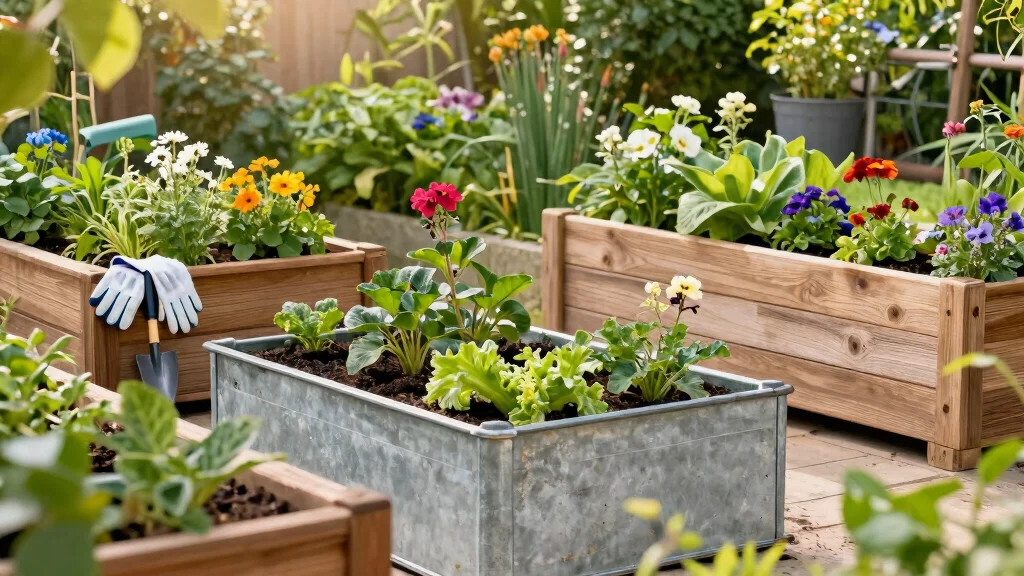
Creating a garden can feel rewarding, but it can also seem daunting, especially if you have limited space. That’s where raised planter boxes come in. They make gardening accessible and enjoyable for everyone, regardless of your experience level. I put this post together because I know how many people yearn to grow their own vegetables, herbs, or flowers but struggle to find room or the right setup in their small outdoor spaces.
If you’re someone who loves gardening or is just starting, this guide is perfect for you. You’ll find seven unique raised planter box plans that cater to all skill levels. Each plan is designed to inspire your DIY spirit and help you create beautiful, functional gardens that fit even in the tightest corners of your yard or balcony. Whether you’re a beginner or a seasoned gardener, these ideas will spark your creativity and get your hands dirty!
Here you’ll discover practical, step-by-step plans for building raised planter boxes that are versatile, stylish, and perfect for growing your favorite plants. From simple designs using upcycled materials to multi-tiered creations that maximize space, you’ll gain the knowledge to bring your gardening dreams to life. Now, let’s dive into these fantastic raised planter box plans that will have you planting in no time!
Key Takeaways
– This guide features 7 unique raised planter box plans suitable for all gardening skill levels, making it easy for anyone to start gardening.
– You’ll find a variety of designs, such as vertical wall planters and rustic metal boxes, ensuring there’s something for every taste and space.
– Each plan includes simple and clear instructions, perfect for DIY enthusiasts and beginners alike.
– The ideas promote efficient use of space, helping you to grow your plants even in small areas.
– By following these plans, you can cultivate a beautiful garden that enhances your outdoor space and provides fresh produce or herbs for your kitchen.
1. Simple Pallet Planter Box
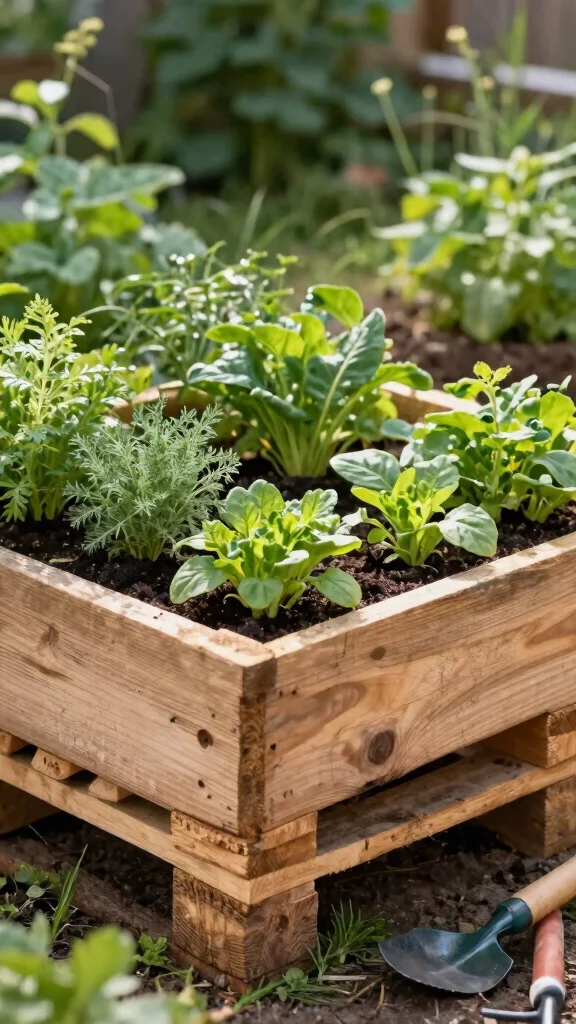
Looking for a fun and budget-friendly gardening project? A simple pallet planter box is your answer! With just a few wooden pallets and nails, you can create a charming garden feature that’s easy to assemble. This design is perfect for growing herbs or small veggies, and its rustic vibe adds a delightful touch to your outdoor space. Plus, the open structure ensures great drainage and minimal upkeep.
To get started, gather your materials and choose a sunny spot for your planter. You can stack pallets for vertical layers or keep it simple with a single layer. Don’t forget to fill it with quality potting soil for the best growth.
Key benefits of this planter:
– Cost-effective: You’re recycling materials!
– Versatile: Grow anything from herbs to strawberries!
– Accessible: The height makes it easy on your back.
This project not only beautifies your garden but also sparks creativity. Transform a few pallets into a stunning planter that reflects your style!
Fun fact: with simple pallet planter boxes, you can fit fresh herbs in a tiny balcony and upgrade drainage with an open design. Raised planter box plans like this keep maintenance low and yields high—great for beginners and busy gardeners.
Difficulty Rating & Requirements
Overall Difficulty Rating: Medium
Building raised planter boxes can be moderately challenging, depending on the design you choose. Most options in this guide cater to various skill levels, so whether you’re a novice or more experienced, you’ll find a suitable project. These plans are accessible but require careful planning and execution to ensure durability and functionality.
Time Estimate: ⏱ Estimated time: 4-8 hours
The time to complete your raised planter box will vary based on the complexity of the design and your skill level. Here’s a simple breakdown:
1. Planning and Design: 1-2 hours (Choosing dimensions, materials, and style)
2. Material Gathering: 1-2 hours (Shopping for the required tools and materials)
3. Construction: 2-4 hours (Building the box, including assembly and finishing touches)
Skill Requirements:
– Required skills: Basic woodworking, measuring, and some hand-tool usage.
– Beginner-friendly: Yes. If you’re new to DIY garden projects, this is a great way to start! You can learn valuable skills along the way.
– Skills that can be learned: Measuring, cutting wood, and using tools. These tasks can be mastered with practice. However, more advanced techniques, like advanced joinery, may require some experience.
Tools & Materials Needed: 🧰 Essential items checklist
– Wood (Cedar or treated lumber): Required
– Screws or nails: Required
– Saw (hand saw or power saw): Required
– Drill: Required
– Measuring tape: Required
– Wood sealer or paint (optional): Optional
– Sandpaper: Optional
– Level: Optional
Step-by-Step Overview:
1. Planning and Design (1-2 hours):
Measure your available space and choose a design that suits your needs. Sketch out dimensions and decide on materials.
2. Material Gathering (1-2 hours):
Visit your local hardware store to purchase the necessary items. Double-check your list to avoid multiple trips.
3. Construction (2-4 hours):
Start by cutting your wood to size. Assemble the pieces according to your design. Ensure everything is level and square.
4. Finishing Touches (1 hour):
Sand any rough edges, apply sealer or stain if desired, and allow it to dry completely.
Cost Comparison: Professional vs DIY:
Hiring a professional to build a custom planter box can cost anywhere from $300 to $1,000, depending on the materials and complexity. For a DIY project, you might spend around $50 to $200 on materials, making it a cost-effective choice. Consider your skills and time availability when deciding whether to tackle this project yourself. If you want a simple design and have the time, go for it! If you prefer a polished look without the hassle, hiring help might be a better option.
Simple Pallet Planter Box
Editor’s Choice

Reclaimed Wood Pallet Sign Blank -DIY Art – Made in the USA (12×18)


Grenebo Gardening Tools 9-Piece Heavy Duty Garden Hand Tools with Fashio…

Espoma Organic Raised Bed Mix – All Natural and Organic Potting Soil Mix…
2. Vertical Wall Planter

Are you short on space but still want to garden? A vertical wall planter is your perfect solution! This design saves ground space while creating a lush green wall that enhances your outdoor area. Using sturdy containers or wooden crates, you can hang them on a fence or wall and fill them with your favorite plants.
Start by selecting a wall that receives plenty of sunlight. Choose climbing plants or herbs that thrive in vertical settings. A drip irrigation system can help keep your plants watered with minimal effort.
Benefits of a vertical wall planter:
– Space-saving: Ideal for balconies and small yards.
– Aesthetic appeal: Adds vibrant greenery to your decor.
– Easier maintenance: Elevated design reduces bending.
This planter not only saves space but also creates an eye-catching focal point in your yard!
📹 Related Video: Easy DIY Living Plant Wall that Waters Itself
Vertical Wall Planter
Editor’s Choice

Hydroponic & Indoor Garden Seed Kit – 20 Compact Heirloom Vegetable & …

Make Good PlantPod Luxe – Self-Watering Wall Planters (Set of 6) – Easy …

Solar Powered Dual Pump Drip Irrigation Kit for Outdoor Indoor Plants, 2…
3. Elevated Garden Bed
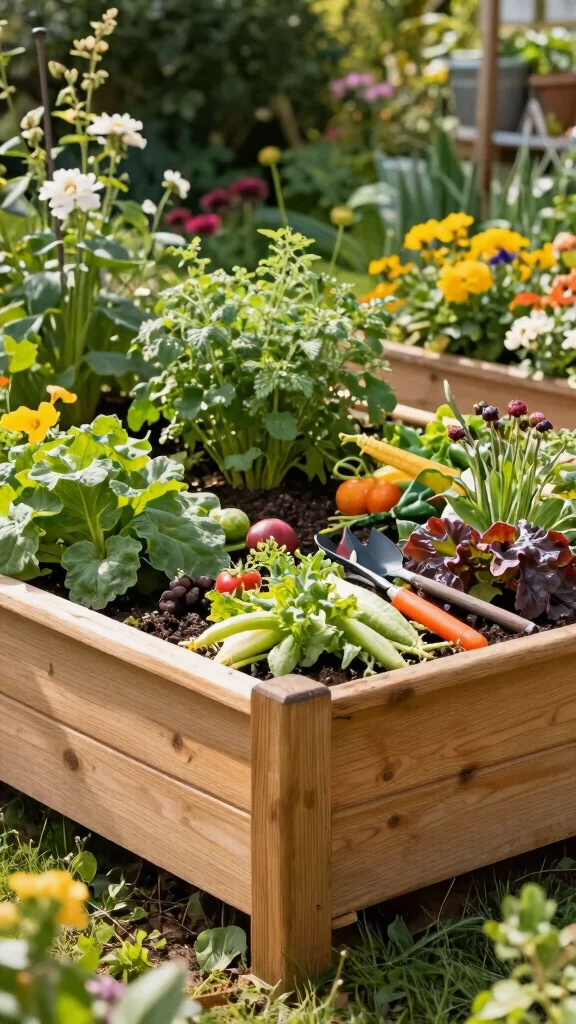
Want to enjoy gardening without the strain of bending? An elevated garden bed is an excellent choice! Typically made from wood or composite materials, these beds allow for easy access and better soil control. They promote healthy drainage and help maintain ideal soil temperatures for your plants.
Choose a sunny spot and customize the dimensions to fit your garden area. Fill it with nutrient-rich soil and plant your favorite vegetables like tomatoes or peppers.
Why you’ll appreciate an elevated garden bed:
– Comfortable gardening: No more bending down!
– Soil customization: Perfect your soil mix for growth.
– Durability: Built to last with quality materials.
The ergonomic design not only simplifies gardening but also adds a stylish touch to your outdoor space.
Elevated Garden Bed
Editor’s Choice

YITAHOME 3.6×1.5×2.8 FT Elevated Garden Bed Kit with Legs and Wheels, Ou…

Burpee, 9 Quarts | Premium Organic Potting Natural Soil Mix Food Ideal f…

LEETOLLA Elevate 32″ Tall Raised Garden Bed Outdoor with Wheels & Shelf …
4. Multi-Tiered Planter Box
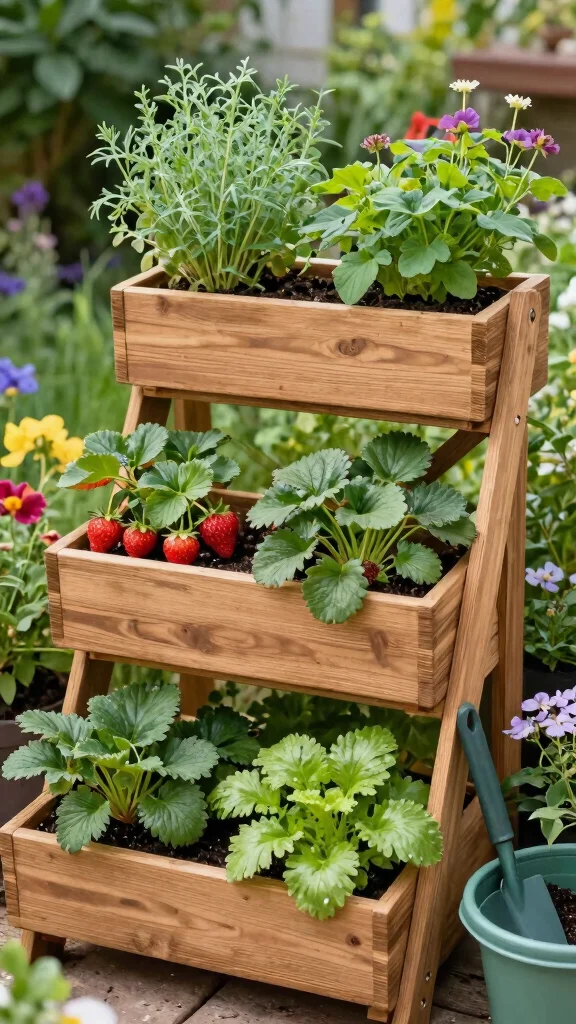
Ready to elevate your gardening game? A multi-tiered planter box is a fantastic way to maximize your space! This design allows you to grow a variety of plants in one structure, creating a stunning visual display. Picture herbs at the top, strawberries in the middle, and leafy greens at the bottom, all thriving together!
Construct your planter using wooden boards arranged at different heights. You can even add a trellis for climbing plants.
Key features of a multi-tiered planter:
– Maximizes space: Grow diverse plants efficiently.
– Easy access: Reach every level without hassle.
– Visually striking: Becomes a natural focal point.
This planter combines functionality with beauty, making it a standout feature in your garden!
You might also like


Multi-Tiered Planter Box
Editor’s Choice
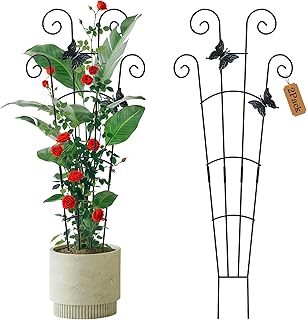
2 Pack 30 Inch Taller Plant Trellis for Potted Climbing Plants Indoor,Ex…

Miracle-Gro Potting Mix – Potting Soil for Vegetables, Flowers, Annuals,…

Best Choice Products 48 x 24 x 30 Inches Raised Garden Bed, Elevated Woo…
5. Corner Planter Box
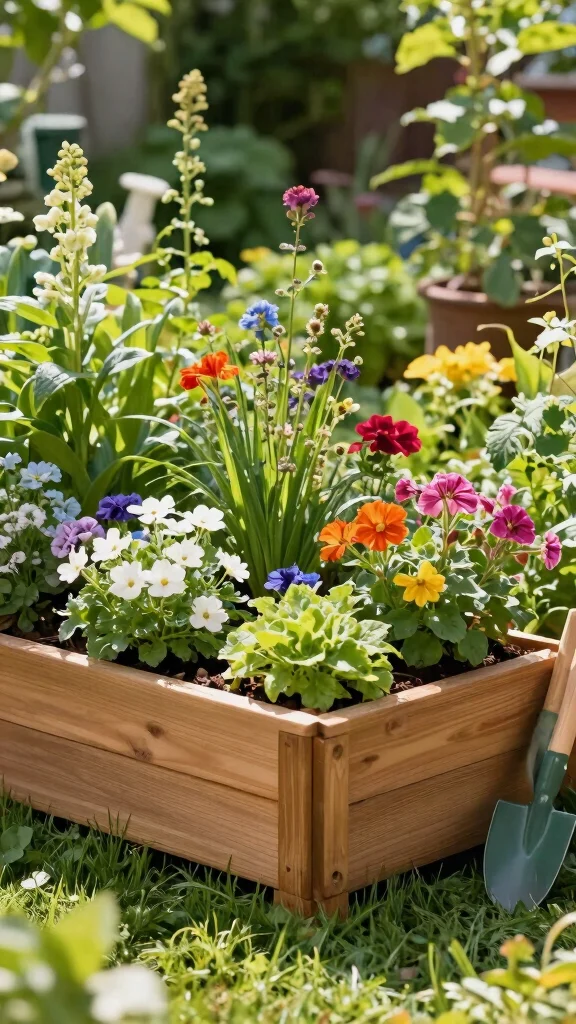
Want to make the most out of your garden space? A corner planter box is the perfect solution! This clever design fits neatly into those awkward corners of your yard or patio, making it ideal for smaller areas. You can customize its size and shape to suit your style, whether you want flowers, vegetables, or a lovely herb garden.
Start by filling the planter with rich, nutrient-dense soil. This small project can yield impressive results and brighten your garden!
Why a corner planter box is a great choice:
– Utilizes wasted space: Perfect for tight corners.
– Customization: Tailor it to your specific needs.
– Accessible: Easy to reach from multiple angles.
This planter brings beauty and functionality to your outdoor space, making it a delightful addition!
Fun fact: A compact corner planter box can reclaim up to 40% of wasted balcony space, turning awkward corners into thriving herb or veggie pockets with just a few simple cuts. That makes raised planter box plans ideal for tiny patios.
Corner Planter Box
Editor’s Choice

Yaheetech 8×2ft Wooden Horticulture Raised Garden Bed Divisible Elevate…
6. Vertical Herb Garden
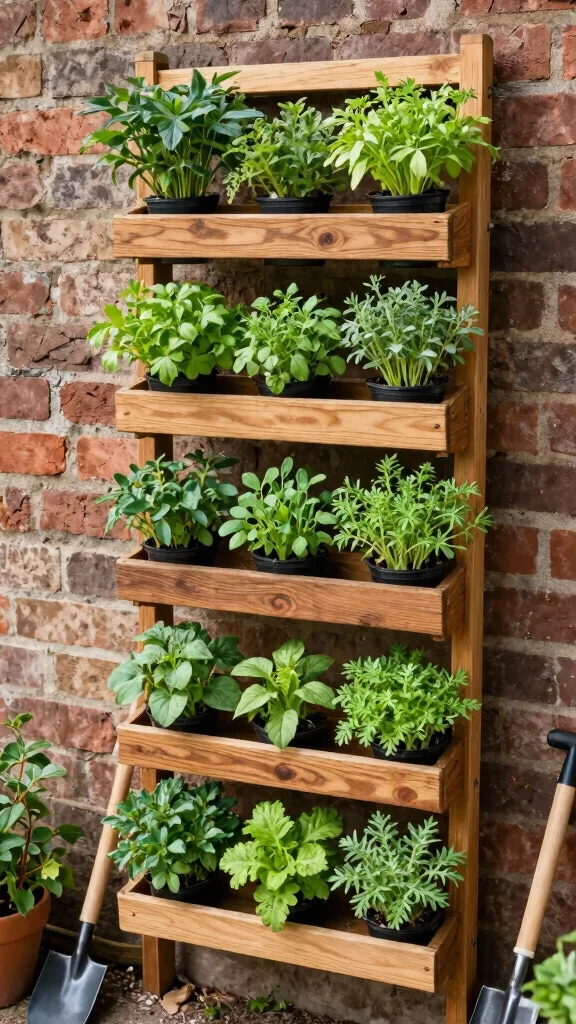
Do you love cooking with fresh herbs? A vertical herb garden is just what you need! This design lets you hang small pots of your favorite culinary herbs on a wall or trellis, saving valuable ground space. It’s a stylish way to keep fresh flavors close at hand!
Choose vibrant herbs like basil, oregano, or mint and ensure they receive plenty of sunlight. Regular watering keeps them thriving.
Benefits of a vertical herb garden include:
– Fresh herbs: Always within easy reach!
– Decorative: Adds a splash of green to any space.
– Low maintenance: Minimal bending and fuss.
This setup is perfect for chefs and home cooks alike, making it both practical and attractive!
Fun fact: vertical herb gardens fit into raised planter box plans for tiny spaces. Hang pots on a trellis and you’ll reach for fresh basil, oregano, or mint every day—just give them sun and regular watering.
You Might Also Like
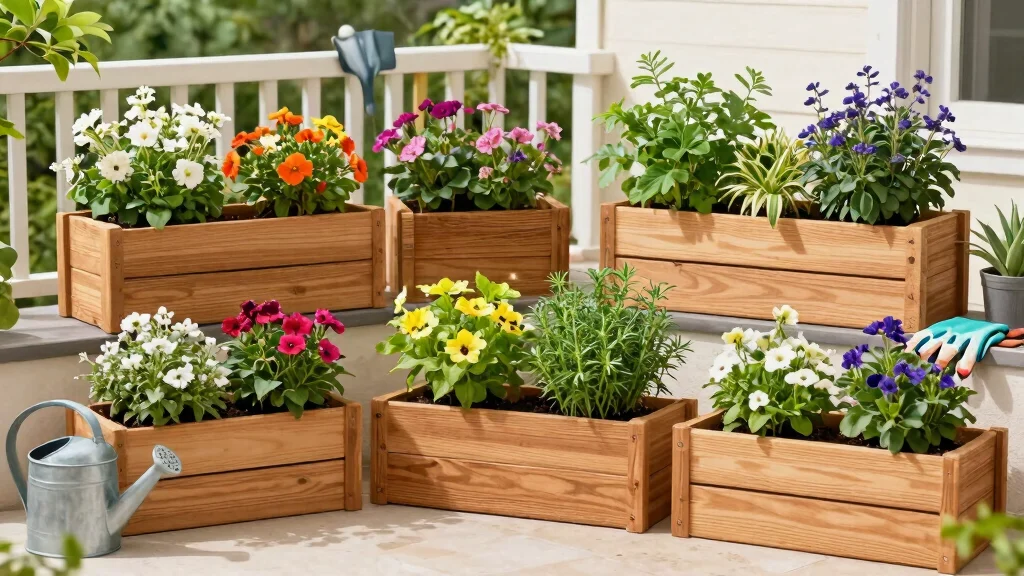
Vertical Herb Garden
Editor’s Choice

Barnyard Designs Indoor Herb Garden Planter Set with Tray, Metal Windows…
Make Good PlantPod Luxe – Self-Watering Wall Planters (Set of 6) – Easy …

5Pcs Succulent Tools,Mini Garden Tools,Pruning Scissors as Plant Accesso…
7. Rustic Metal Planter Box
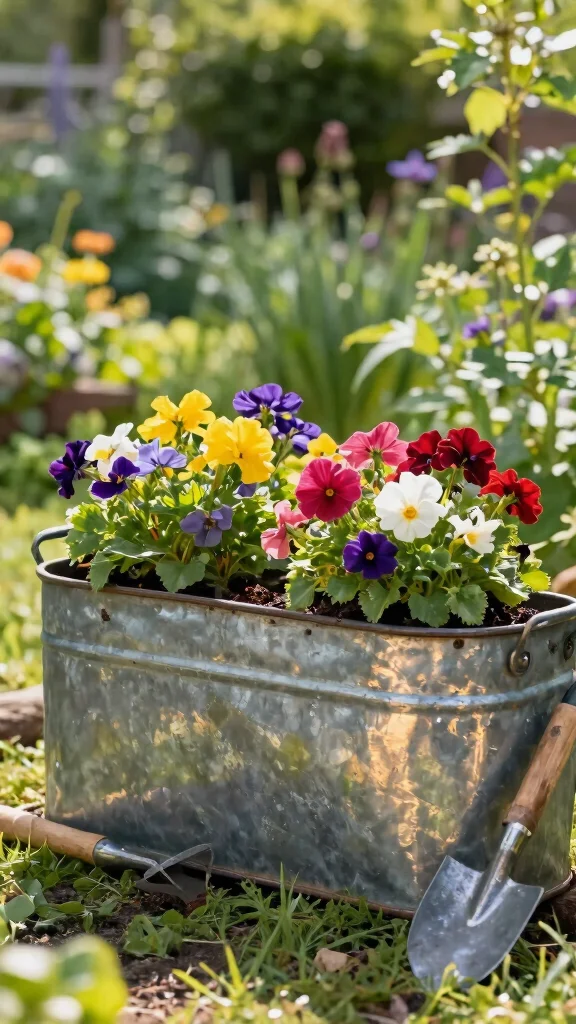
Looking to add a unique touch to your garden? A rustic metal planter box can do just that! Made from repurposed materials like old buckets or troughs, these planters bring industrial charm to your outdoor space. They’re weather-resistant and durable, ensuring they last for years.
Fill them with colorful flowers or robust vegetables for a striking contrast against the metal. This design is perfect for adding character to your garden!
Why rustic metal planters stand out:
– Durability: Metal holds up better than wood.
– Unique designs: Each piece has its own character.
– Easy to clean: Just wipe down when needed.
This stylish planter will not only enhance your outdoor aesthetics but also be a conversation starter!
Rustic Metal Planter Box
Editor’s Choice

Land Guard Galvanized Raised Garden Bed Kit, Galvanized Planter Garden B…
Conclusion
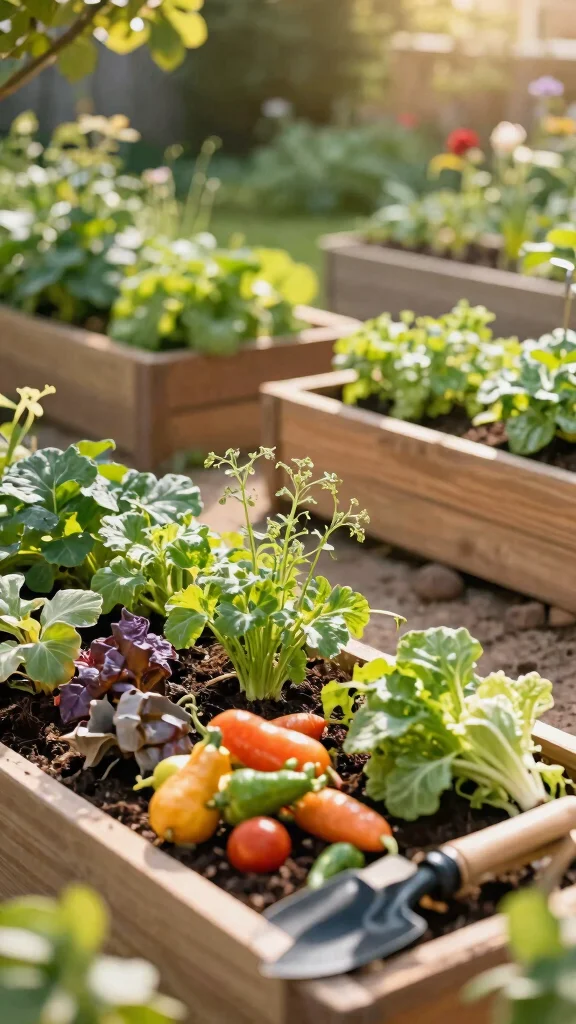
Raised planter boxes are not just a trendy gardening solution; they’re a delightful way to enhance your outdoor space while growing your own food. With designs suited for every skill level and space constraint, it’s easy to get started with gardening. Whether you opt for a simple pallet box or a multi-tiered creation, the joy of planting and nurturing your garden awaits!
So grab your tools and get ready to dig in. Happy gardening!
Note: We aim to provide accurate product links, but some may occasionally expire or become unavailable. If this happens, please search directly on Amazon for the product or a suitable alternative.
This post contains Amazon affiliate links, meaning we may earn a small commission if you purchase through our links, at no extra cost to you.
Frequently Asked Questions
What are the best raised planter box plans for small spaces?
When you’re short on space, the right vertical or elevated design can maximize growing area without crowding your patio. Our article features 7 raised planter box plans tailored for small spaces, including slim verticals and compact elevated beds that still hold a healthy mix of vegetables and herbs. Start by measuring your available area, then pick a plan that fits your height and footprint. For tight corners, choose a design with a built‑in trellis or stacked boxes to multiply your space. With raised planter box plans, you can create practical vegetable planter ideas without sacrificing accessibility.
Pro tip: choose a beginner‑friendly plan to kick off DIY garden projects this weekend.
How can I adapt these raised planter box plans for beginners?
Great news—these plans are built for beginner gardening tips and DIY garden projects alike. Start with the simplest design, pick pre‑cut materials, and follow the step‑by‑step instructions. Use a basic saw, drill, and waterproof sealant, and don’t skip the drainage holes. Build slowly, test the level, and learn soil mixing as you go. These plans are perfect for beginning gardeners who want tangible results fast.
Tip: keep a small, low box at waist height to practice assembly before tackling taller, vertical options.
What materials are best for building a raised planter box for vegetables?
For robust outdoor gardening designs, choose rot‑resistant wood like cedar or redwood, or exterior‑grade lumber with proper sealant. Avoid toxic treatments near edible plants, or line the inside with landscape fabric to protect the wood. Use sturdy screws, corner brackets, and a bottom drainage layer (gravel or crushed stone) to promote draining. Fill with a balanced mix of topsoil, compost, and potting soil to support strong growth in your vegetable planter ideas.
Pair with a simple irrigation plan for low maintenance and long‑lasting elevated garden beds.
How do I ensure drainage and durability in vertical raised planters?
Start with a plan that includes drainage holes at the bottom and a liner to prevent soil from washing out. Add a breathable layer (landscape fabric) between wood and soil to reduce rot, and elevate boxes slightly off the ground to improve air flow. Use a simple drip irrigation or a scheduled watering routine to prevent overwatering in small spaces. Place the planter in full sun or partial shade depending on your crops.
Sticking to quality hardware and proper sealing will keep your raised planter box plans looking good for years.
Can these plans support a variety of vegetables and herbs?
Absolutely. Most plans accommodate leafy greens, tomatoes, peppers, radishes, and herbs. Depth matters: shallower boxes are great for greens and herbs, while deeper boxes support root crops. Plan your layout to fit rotations and succession planting, so you can harvest continuously from your vegetable planter ideas. If you’re new, start with fast‑growing crops like lettuce and spinach, then expand to larger plants as you gain confidence with DIY garden projects.
These vertical and elevated designs make it easy to tailor your space to your climate and sun exposure.
Related Topics
raised planter box plans
DIY garden projects
small space gardening
vegetable planter ideas
elevated garden beds
beginner gardening tips
outdoor gardening designs
easy gardening projects
vertical gardening
urban gardening
accessible gardening
sustainable gardening