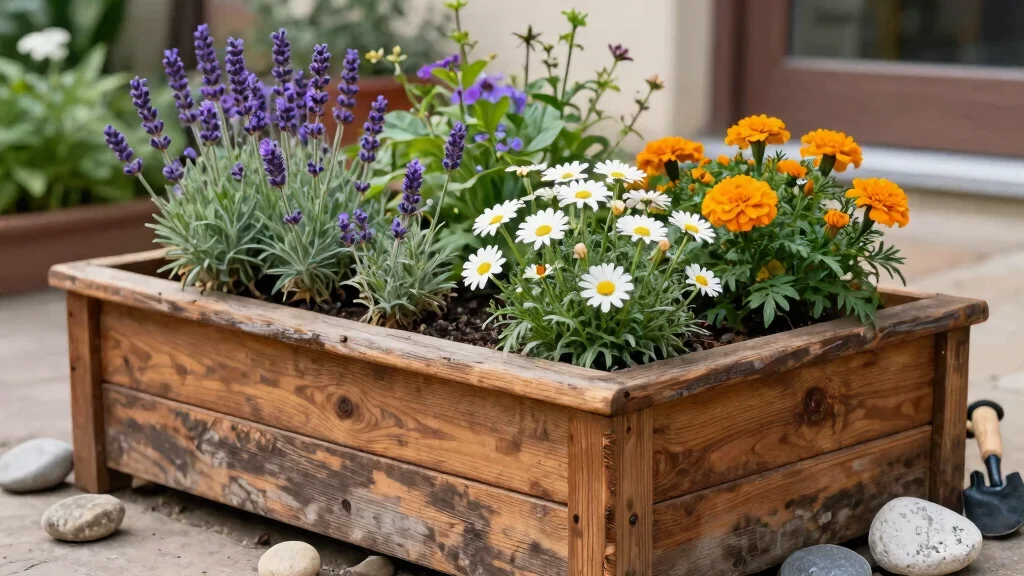
Creating a beautiful garden space is a passion for many, especially when it comes to incorporating unique elements like wooden flower beds. As we find ourselves drawn to nature, these rustic beds can evoke a sense of warmth and charm that truly enhances any outdoor environment. I made this post to explore the various styles and benefits of wooden flower beds. Whether you’re working with a small urban garden or simply looking to elevate your garden design, these flower beds can transform your space into a serene retreat filled with blooming beauty.
If you’re someone who loves gardening or is just beginning to cultivate plants, this blog is perfect for you. You’ll discover a variety of wooden flower bed styles that suit different aesthetics and functionalities. From space-saving vertical designs to tiered planters that add depth, the options are endless. This guide will help you find the right inspiration for your garden, allowing you to express your personal style while prioritizing sustainable gardening practices.
In the sections that follow, you will gain insights into nine stunning wooden flower bed designs that can provide both practicality and charm. Each style has its own unique qualities, and by the end of this post, you’ll be equipped with the knowledge to choose the perfect wooden flower bed for your garden space. Let’s get started!
Key Takeaways
– Discover the charm of wooden flower beds and how they can enhance your garden space with warmth and character.
– Explore different styles of raised garden beds, including vertical options that save space and tiered designs that create visual interest.
– Learn about edible flower beds that blend beauty with functionality, perfect for those looking to grow both flowers and food.
– Gain practical tips on creating DIY wooden flower beds that showcase your personality and creativity in your garden design.
– Understand how multi-functional wooden flower beds can serve various purposes beyond just planting, adding even more value to your outdoor decor.
1. Vertical Wooden Flower Beds: A Space-Saving Marvel

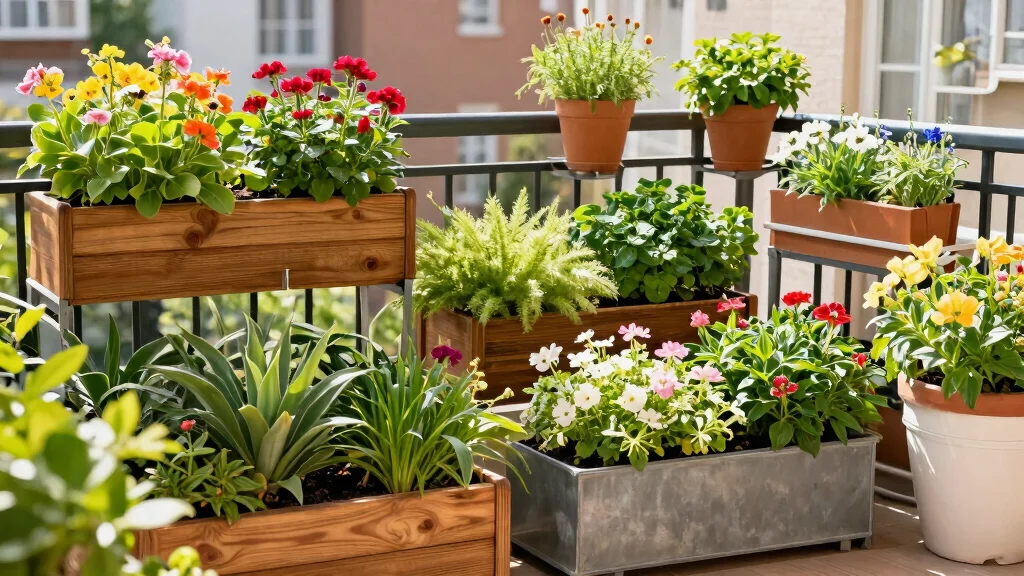
Are you struggling to find enough space for your plants? Vertical wooden flower beds are a fantastic way to utilize your garden’s height instead of just its width. These clever designs allow you to grow various plants without sacrificing precious ground space, making them perfect for small gardens or balconies.
Craft these beds from stacked wooden pallets or tiered boxes to add visual interest while enhancing your green space. Picture vibrant climbing plants like peas or tomatoes draping over the edges, surrounded by colorful trailing flowers. Not only do vertical gardens save space, but they also promote better air circulation, making gardening easier on your back.
Key steps to get started:
– Mix herbs, flowers, and vegetables for a diverse garden.
– Ensure adequate drainage for healthy plants.
– Choose lightweight soil to keep your structure stable.
Transforming a compact area with a vertical wooden flower bed can create a lush garden oasis right in your urban space.
Fun fact: vertical wooden flower beds can double your planting area on a balcony—up to 2x more usable space per bed. With stacked tiers and smart drainage, a single wooden flower bed can host peas, herbs, and blooms, transforming a tiny balcony into a green, productive retreat.
📹 Related Video: How to Make a Tiered Planter! (Easy DIY Vertical Garden with FREE Plans!) // Shirin Askari
Key Trade-offs & Our Top Pick
Option 1: Vertical Wooden Flower Beds
– Pros:
✔ Space-saving design is ideal for smaller areas.
✔ Allows for vertical plant growth, maximizing your garden’s potential.
✔ Easy to manage and maintain with accessible heights.
– Cons:
❌ Limited planting space for larger plants.
❌ May require additional support for heavier plants.
– Best for: Small urban gardens or balconies where space is a premium.
Option 2: Rustic Tiered Planters
– Pros:
✔ Adds depth and visual interest to your garden space.
✔ Perfect for a variety of plant heights and types.
✔ Can be a unique focal point in any garden.
– Cons:
❌ More complex to set up than flat beds.
❌ Requires more soil and careful planning for drainage.
– Best for: Gardeners looking to create a multi-level display of flowers and plants.
Option 3: Raised Garden Beds
– Pros:
✔ Great for improving soil quality and drainage.
✔ Reduces back strain as plants are elevated.
✔ Versatile in size and shape, fitting various garden styles.
– Cons:
❌ Can be more expensive than traditional planting methods.
❌ Requires additional effort to fill with soil and compost.
– Best for: Gardeners who want an easy-to-maintain option that enhances soil conditions.
Option 4: DIY Wooden Flower Beds
– Pros:
✔ Customizable to fit your specific garden needs and style.
✔ Cost-effective compared to purchasing pre-made beds.
✔ Perfect for those who enjoy hands-on projects.
– Cons:
❌ Requires tools and materials, plus some woodworking skills.
❌ Time-consuming compared to buying ready-made options.
– Best for: DIY enthusiasts who enjoy crafting their own garden solutions.
Expert Recommendation:
Best Overall: Raised Garden Beds
Raised garden beds are an excellent choice for most gardeners. They offer great value for money by minimizing weeds and enhancing soil quality. Their elevated design makes gardening more accessible, especially for those with limited mobility. Plus, these beds are incredibly versatile, fitting into almost any garden design.
Why We Picked This:
While raised garden beds stand out for their numerous benefits, you might prefer other options. If you’re short on space, vertical wooden flower beds are a smart choice. For a more artistic approach, rustic tiered planters can create stunning visual layers. DIY wooden flower beds are perfect if you enjoy personalizing your garden. Each option has its unique charm, so consider what aligns best with your gardening goals.
Vertical Wooden Flower Beds: A Space-Saving Marvel
Editor’s Choice

Wonderjune 70.8in Tall Wooden Obelisk Trellis Outdoor Garden Trellises E…


Yaheetech 43.5″ L×16″ W×14″ H Wooden Raised Garden Bed, Horticul…

Baotree 5 Tiers Vertical Wooden Raised Garden Bed, Tiered Standing Garde…
2. Rustic Tiered Planters: Adding Depth to Your Garden
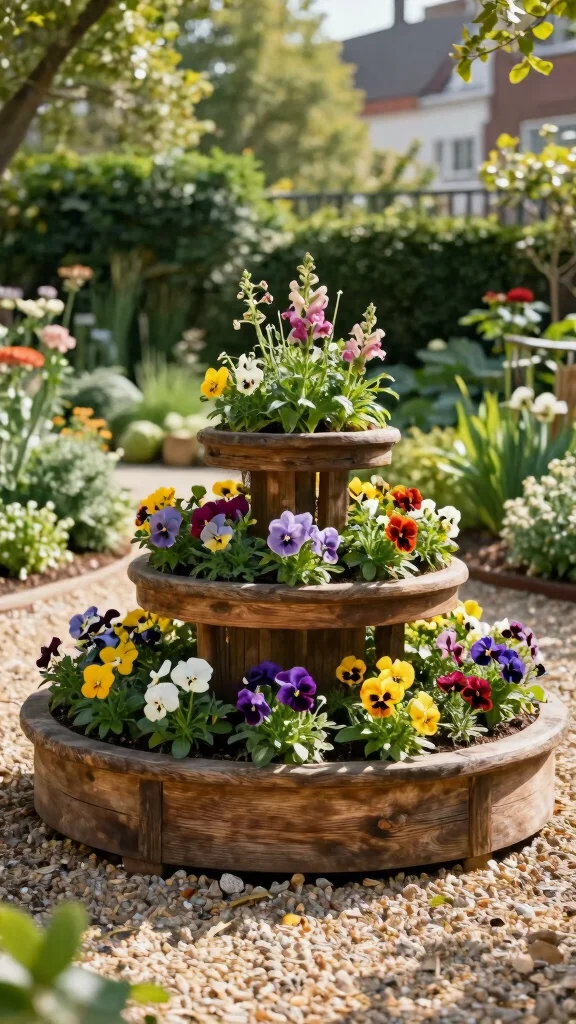
Looking to add some dimension to your garden? Rustic tiered planters create a stunning layered effect, providing distinct zones for different plants while enhancing your outdoor decor. These tiered beds are not just practical; they serve as a beautiful focal point for your garden.
Use various sizes of wooden boxes to create height, allowing sunlight to reach all your plants. Colorful flowers like pansies and snapdragons can add vibrant splashes at each tier, ensuring your garden is a visual treat throughout the seasons.
Here are some helpful tips:
– Place heavier plants at the bottom to maintain stability.
– Choose plants with varying water needs for each tier.
– Incorporate stone or gravel paths for easy access.
With tiered wooden planters, you can achieve a structured garden look while cultivating a warm and inviting atmosphere.
Fun fact: A three-tier wooden flower bed can add 18 inches of vertical planting space in a small urban garden. This layered setup creates distinct zones, improves airflow, and helps sunlight reach every tier—perfect for pansies and snapdragons.
Rustic Tiered Planters: Adding Depth to Your Ga…
Editor’s Choice

Miracle-Gro Potting Mix – For Container Plants, Flowers, Vegetables, Shr…

GameXcel Vertical Planter Tower – 5 Tier Stackable Garden Planters with …
3. Edible Flower Beds: Beauty Meets Functionality
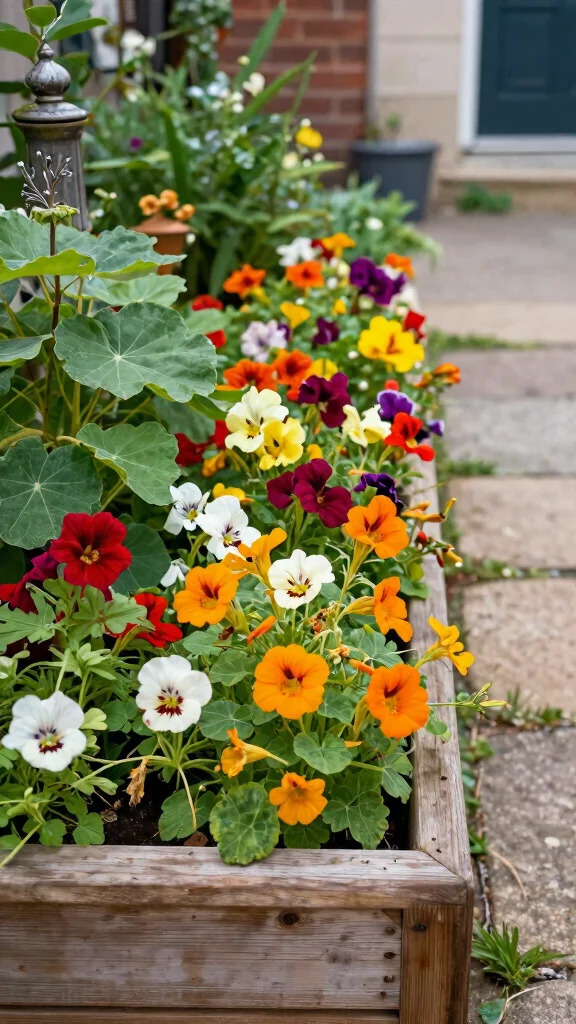
Want to blend beauty and functionality in your garden? Edible flower beds are the perfect solution, combining colorful blooms with delicious flavors. Fill your wooden flower beds with plants like nasturtiums, calendula, or violets, creating a feast for the eyes and the palate.
These delightful flowers attract pollinators while adding unique tastes to your dishes. Imagine tossing bright nasturtium petals into a fresh salad or using sweet violets to decorate your favorite desserts.
To create your own edible flower bed:
– Select a sunny location for optimal growth.
– Use organic soil to keep everything safe and healthy.
– Water regularly and deadhead to promote continuous blooms.
With edible flower beds, you can enjoy a beautiful garden while savoring its delicious flavors!
Edible Flower Beds: Beauty Meets Functionality
Editor’s Choice

Seed Needs Edible Wildflower Seed Packet Collection (7 Varieties of Flow…

Yaheetech 8×2ft Wooden Horticulture Raised Garden Bed Divisible Elevate…
4. Raised Garden Beds: The Ultimate Classic
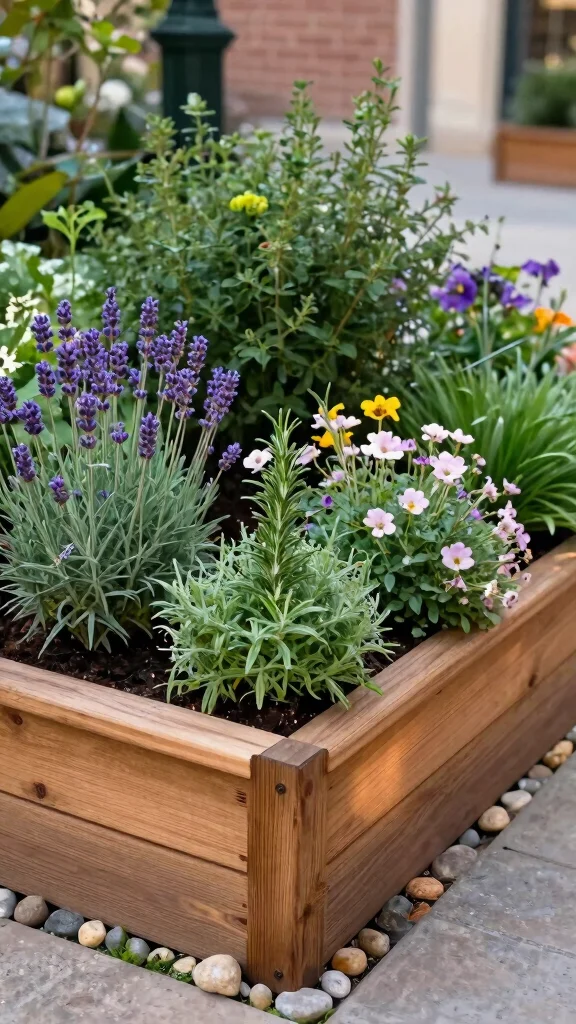
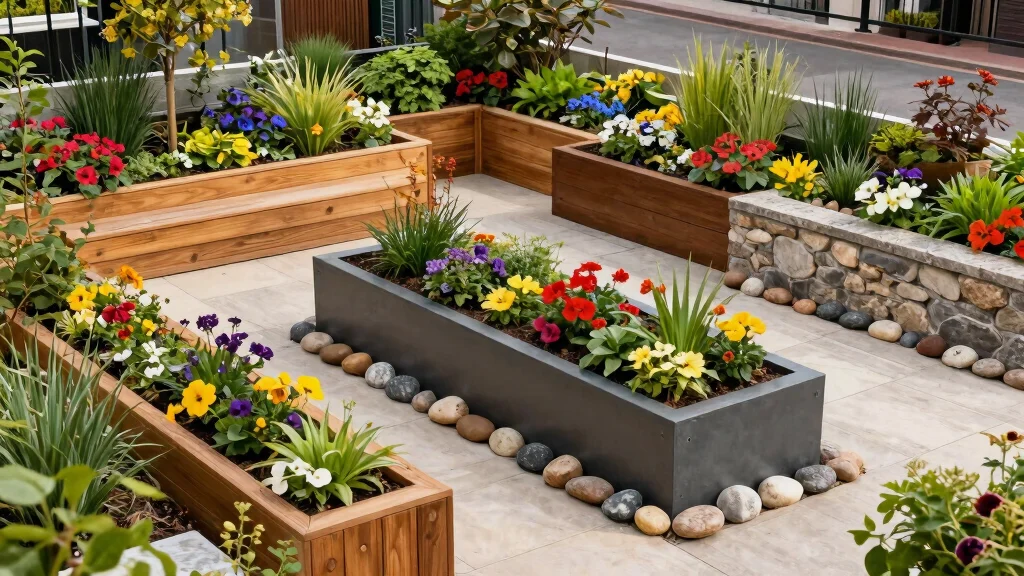
Are you looking for a timeless gardening solution? Raised wooden garden beds are a classic choice, offering excellent drainage and improved soil quality while easing back strain during gardening tasks. These beds can be customized in various shapes and sizes to fit your unique garden layout.
Consider mixing flowers and herbs that thrive together, like fragrant lavender and rosemary, to create an aromatic and stunning display. A well-planned raised bed can enhance both your gardening experience and the overall design of your space.
Keep these key points in mind:
– Opt for rot-resistant wood to extend the life of your beds.
– Fill with nutrient-rich soil for optimal plant health.
– Plan your layout carefully to ensure all plants receive adequate sunlight.
Raised wooden beds not only elevate your gardening journey but also enhance the design and charm of your garden.
Raised wooden garden beds boost drainage by up to 30% and can extend your growing season by several weeks. The secret? deeper soil, less compaction, and front-to-back access that spares your back while you tend herbs and flowers.
Raised Garden Beds: The Ultimate Classic
Editor’s Choice

Espoma Organic Raised Bed Mix – All Natural and Organic Potting Soil Mix…
Yaheetech 8×2ft Wooden Horticulture Raised Garden Bed Divisible Elevate…

Garden Tools Set, 3 Pack Heavy Duty Gardening Tools Set Include Garden S…
5. Decorative Wooden Edging: Creating Boundaries with Style
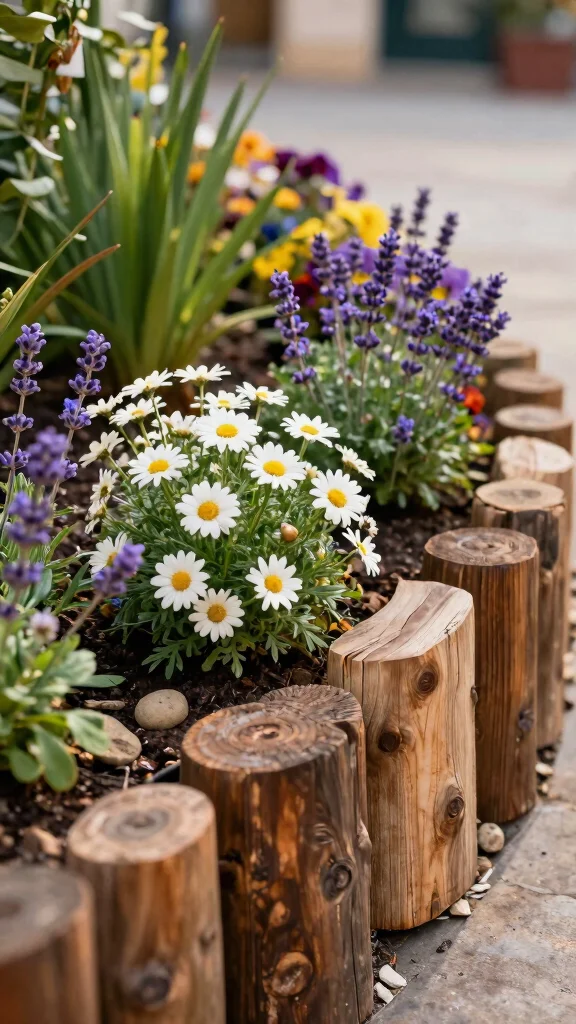
Do you want to add a polished look to your garden? Decorative wooden edging frames your flower beds beautifully, creating a cohesive and stylish layout. With various styles available, from rustic logs to sleek boards, you can find the perfect fit for your garden theme.
These borders not only improve the aesthetic appeal but also help keep soil and mulch in place, making maintenance a breeze. Select wood types that complement your existing decor for a harmonious look.
Here are some tips for choosing the right edging:
– Use reclaimed wood for an eco-friendly touch.
– Mix different heights for a more engaging landscape.
– Incorporate small stones or gravel for added texture.
Decorative wooden edging can enhance your garden’s charm and create a welcoming oasis right outside your door.
You might also like
Decorative Wooden Edging: Creating Boundaries w…
Editor’s Choice

Wood Garden Edging, Wooden Fence Border Decorative Small Picket Panels f…

Minwax PolyShades Wood Stain + Polyurethane Finish – ½ Pint, Classic …
6. DIY Wooden Flower Beds: Craft Your Own Character

Are you ready to unleash your creativity in the garden? Crafting your own wooden flower beds is a rewarding project that allows you to express your unique style. With just a few tools and some reclaimed wood, you can build a flower bed that fits perfectly in your space.
Personal touches, like a splash of paint or unique shapes, can make your garden truly stand out. DIY projects give you the freedom to design something that reflects your personality.
Consider these tips for your DIY adventure:
– Start with a simple design if you’re new to woodworking.
– Treat the wood with eco-friendly sealant for durability.
– Get inspired by online tutorials or local workshops for fresh ideas.
Creating your own wooden flower beds can enhance your urban garden while adding a special touch of character.
DIY Wooden Flower Beds: Craft Your Own Character
Editor’s Choice

Olympic WaterGuard 11 oz. Clear Exterior Waterproofing Wood Sealer Spray

Rust-Oleum 369383 Advanced Dry Door & Trim Paint, Quart, Satin Black

The Complete Book of Woodworking: Step-by-Step Guide to Essential Woodwo…
7. Lattice-Backed Wooden Flower Beds: Vertical Interest

Want to add a unique twist to your flower beds? Lattice-backed wooden flower beds are an excellent choice for introducing vertical elements into your garden. This design allows climbing plants like clematis and morning glories to flourish, creating a stunning and dynamic backdrop.
The lattice not only supports climbing plants but also adds texture and depth, making your garden more visually appealing. Imagine colorful blooms climbing upward, adding life and excitement to your outdoor space.
When planning your lattice-backed design, keep these suggestions in mind:
– Ensure the lattice is sturdy and well-anchored.
– Choose climbers that suit your climate and garden style.
– Mix in trailing plants for a cascading effect.
This combination of vertical and horizontal growth can create a charming and exciting focal point in any garden.
Lattice-Backed Wooden Flower Beds: Vertical Int…
Editor’s Choice

Best Choice Products Set of 2 48in Wood Planter Box & Diamond Lattice Tr…

Natural Bamboo Trellis, 4Feet,3Pack,Fan-Shaped Plant Support Trellis for…
8. Colorful Stained Wooden Flower Beds: Adding a Pop of Color

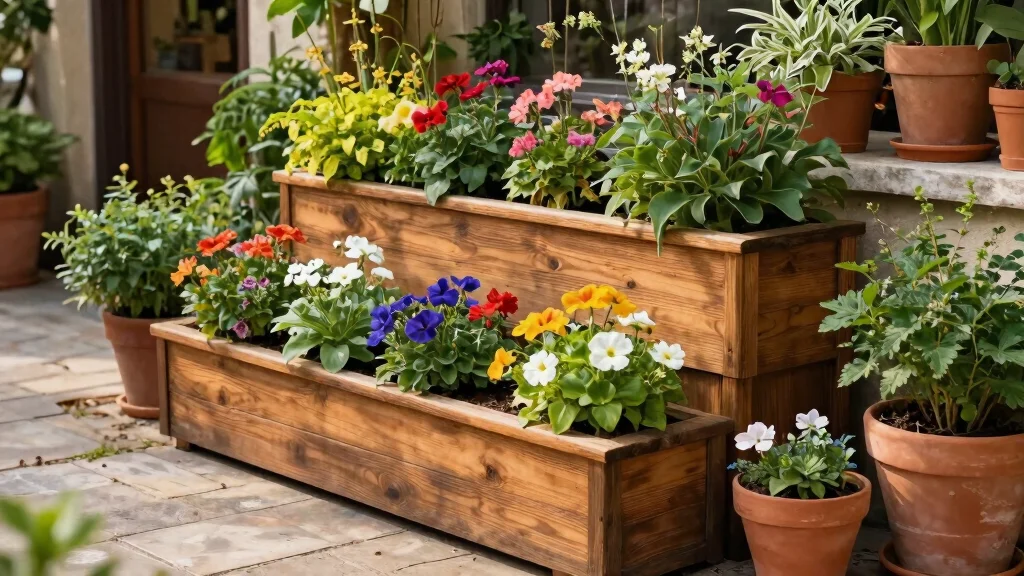
Ready to make a bold statement in your garden? Brightly stained wooden flower beds are the perfect way to add a vibrant touch! Use eco-friendly stains to enhance your wooden beds while keeping your plants safe, and choose colors that frame your floral displays beautifully.
Pair your colorful beds with flowers that complement their hues for a cohesive and stunning look. A well-thought-out color scheme can truly elevate your garden’s design.
Here are some color tips to consider:
– Choose shades that harmonize with your home’s exterior.
– Experiment with contrasting colors for an eye-catching effect.
– Keep plant colors in mind to ensure a balanced palette.
Colorful stained wooden flower beds can transform your garden into a lively and inviting space that reflects your personality.
You Might Also Like
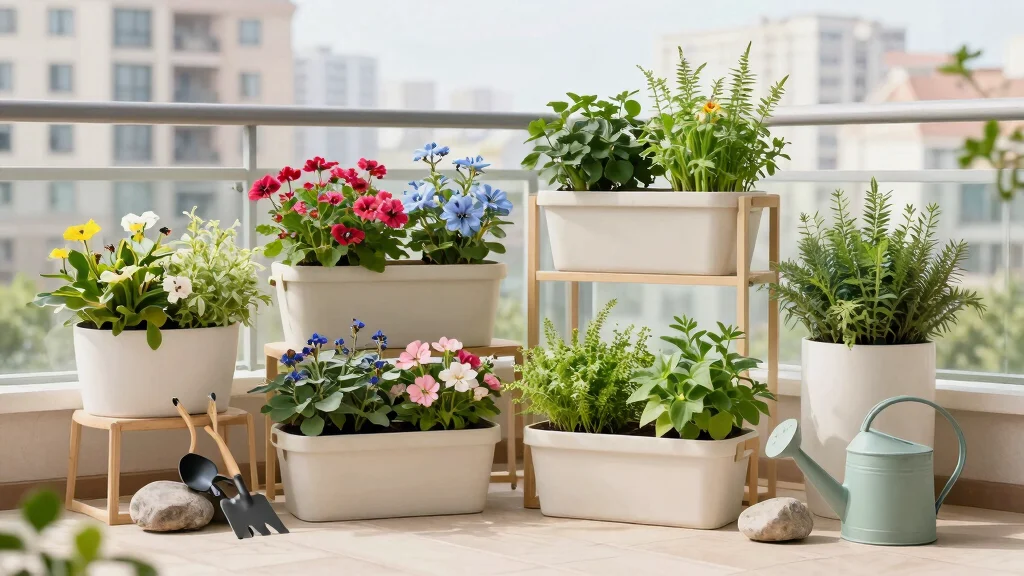
Colorful Stained Wooden Flower Beds: Adding a P…
Editor’s Choice
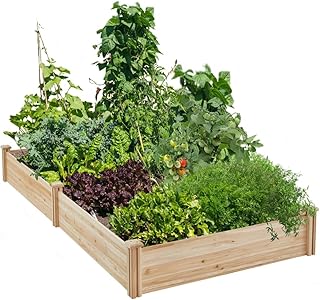
Yaheetech 8×4ft Wooden Horticulture Raised Garden Bed Divisible Elevate…

200,000+ Wildflower Seeds Bulk (4oz) – 16 Varieties Perennial & Annual…

Furniture Clinic Wood Stain | Dark Oak | Water Based | Fast Drying, Low …
9. Multi-Functional Wooden Flower Beds: Beyond Just Flowers

Why limit your wooden flower beds to just flowers? Multi-functional designs can add seating areas or storage right into your flower beds, maximizing space in small gardens. Picture a raised bed featuring a bench where you can sit and admire your work, also providing storage for tools and supplies.
These creative solutions can make the most of your garden space while enhancing your gardening experience. A thoughtfully designed multi-functional bed can serve multiple purposes and look great doing it.
Consider these ideas:
– Build a raised bed with built-in seating.
– Incorporate storage compartments for easy access to tools.
– Use higher beds for easier access to herbs and veggies.
Multi-functional wooden flower beds can elevate your gardening experience while making every inch of your space count.
Multi-Functional Wooden Flower Beds: Beyond Jus…
Editor’s Choice

Tangkula Outdoor Wood Storage Bench Deck Box, Entryway Porch Storage Ben…

zunatu 10x2x1ft(2 Pack) Galvanized Raised Garden Bed,Outdoor Planter Box…
Conclusion: Your Perfect Urban Garden Awaits
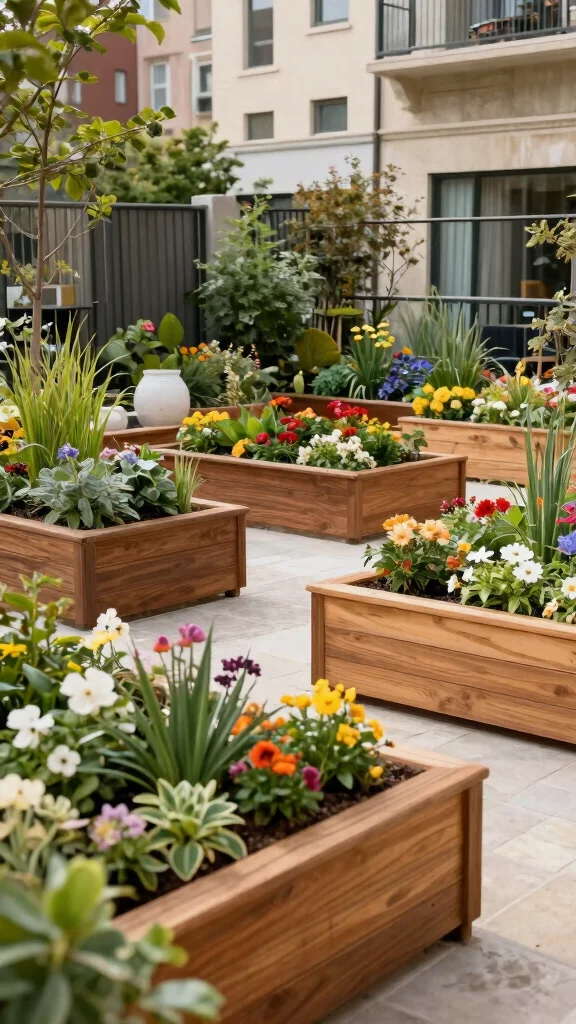
Creating a charming garden in an urban space is not just possible; it can be a delightful adventure! With these nine wooden flower bed ideas, you have the tools to add warmth and character to your garden.
From vertical designs to multi-functional pieces, each option offers its unique appeal and function. By choosing the right wooden flower beds, you can cultivate a beautiful outdoor retreat right in the heart of the city. Embrace your inner gardener and start designing your dream space today!
Note: We aim to provide accurate product links, but some may occasionally expire or become unavailable. If this happens, please search directly on Amazon for the product or a suitable alternative.
This post contains Amazon affiliate links, meaning we may earn a small commission if you purchase through our links, at no extra cost to you.
Frequently Asked Questions
What are the best materials for a durable wooden flower bed in a small urban garden?
Choosing the right wood is key for a durable wooden flower bed in a compact space. Look for rot-resistant options like cedar, redwood, or reclaimed timber treated for outdoor use. For raised garden beds, 2×6 or 4×6 boards work well and fit tight urban layouts. If you want a greener option, consider sustainably sourced lumber or reclaimed wood for sustainable gardening without sacrificing reliability.
Line the inside with a waterproof liner to protect the wood and your soil, and leave a small gap between the soil and the wood for drainage and air circulation to support healthy plant cultivation in your wooden flower bed.
How can I install a wooden flower bed on a balcony or small patio?
On a balcony or small patio, lightweight raised garden beds are your friend. Choose compact wooden planters or kits designed for decks and rails. Use sturdy brackets or freestanding legs to keep the bed level on uneven surfaces, and add a liner to protect wood from constant moisture. Fill with well-draining soil and a mix tailored for containers; consider deeper pockets for herbs or shallow beds for ornamentals. This setup doubles as outdoor decor while keeping garden design and plant cultivation practical for tight spaces and the charm of a wooden flower bed.
What maintenance does a wooden flower bed require to last for years?
Regular checks and simple care go a long way. Re-seal or re-stain every 1-3 years to protect against moisture and sun. Inspect for loose nails, warped boards after heavy rain, and replace any rotten sections promptly. Clean the bed at the end of each season and refresh the soil with compost to support healthy plant cultivation. If you used a liner, inspect it for leaks and replace as needed. A little upkeep keeps your wooden flower bed looking beautiful as part of your outdoor decor for years.
Can wooden flower beds be used for sustainable gardening and how?
Absolutely. Use wood from sustainable sources, or reclaimed timber, to make your wooden flower bed a green choice. Avoid treated wood that could leach chemicals; opt for natural finishes or plant-friendly sealants. Reuse soil by composting, rotate crops, and select native plants to reduce water use and maintenance. Pair rainwater harvesting with raised garden beds to cut irrigation needs and boost sustainable gardening in urban spaces. This approach creates an eco-friendly wooden flower bed that supports healthy plant cultivation.
How can I design a rustic wooden flower bed to fit a small urban garden?
Start with a simple rectangular or L-shaped frame that fits your space and leaves room for movement. Choose a stain color or wood tone that complements your existing outdoor decor and garden design. Use rounded edges for safety and add a trellis or vertical elements to maximize plant cultivation without widening the footprint. Plan for drainage and use compact edging to keep soil contained in your raised garden beds. With thoughtful layout and materials, your rustic wooden flower bed becomes a focal point in garden design for small urban spaces.