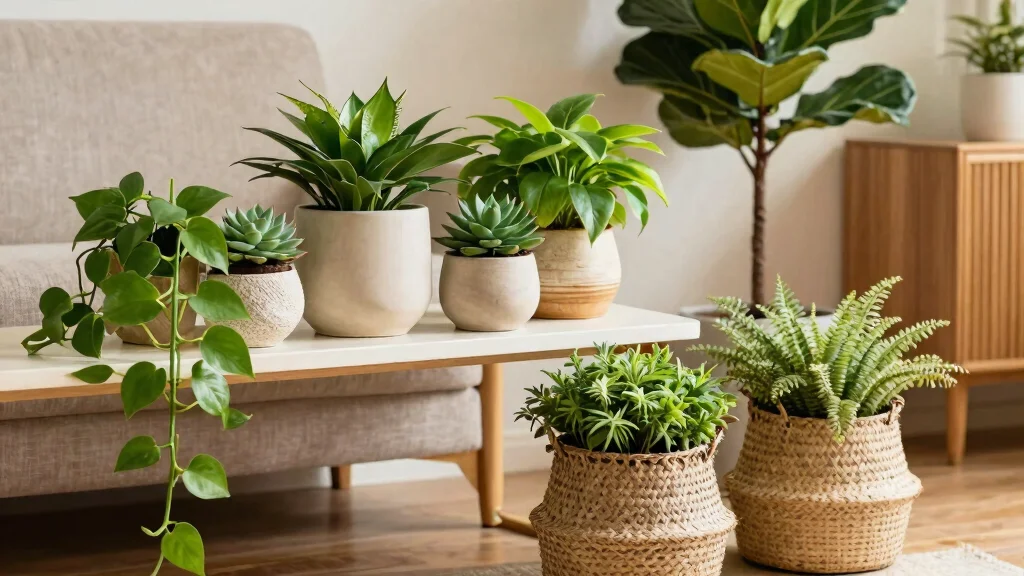
Creating a cozy and inviting home can feel like a daunting task, especially if you live in a small space. I’ve been diving into the world of indoor gardening, and it has me craving greenery that not only livens up my surroundings but also brings a sense of calm. If you’re someone who loves the idea of houseplants but struggles with limited room or unsure how to display them, you’re in for a treat.
In this post, I’m sharing 8 indoor planter ideas that can transform your home into a living sanctuary. These ideas are perfect for anyone who wants to embrace indoor gardening while adding a stylish touch. You’ll find practical tips and creative solutions that are easy to implement, no matter how small your space may be.
Get ready to discover ways to incorporate lovely houseplants into your home, using decorative pots and unique displays that suit your personal style. By the end of this post, you’ll have the inspiration and know-how to create a serene space filled with vibrant greenery and fresh air.
Key Takeaways
– Explore creative planter ideas: From vertical gardens to hanging planters, find methods that maximize your space while adding beauty.
– Incorporate style with decorative pots: Learn how to choose pots that complement your home decor and enhance the visual appeal of your plants.
– Understand plant care: Get practical tips on how to care for your indoor plants so they thrive in your unique environment.
– Design for function and aesthetics: Discover how to arrange plants to create inviting areas in your home that serve both as decor and functional zones.
– Seasonal displays to refresh your space: Mix up your indoor gardening game by rotating plants seasonally for a fresh look throughout the year.
1. Vertical Garden Planters
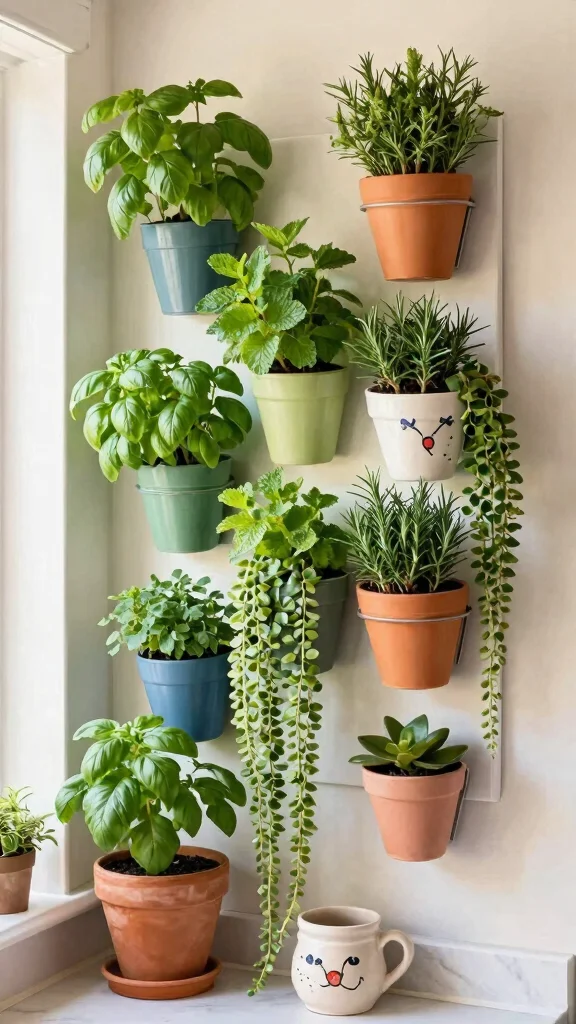
Are you looking to add greenery to your home without sacrificing precious floor space? Vertical garden planters are the perfect solution, transforming any wall into a lush oasis. Picture vibrant herbs or cascading vines neatly arranged on shelves or a stylish pegboard, creating a living artwork that breathes life into your space.
To create your vertical garden, mix and match decorative pots in various shapes and sizes for an eye-catching display. Opt for plants that flourish in smaller areas, such as herbs, succulents, or petite ferns, allowing you to enjoy gardening without cluttering your home.
Key benefits of vertical garden planters:
– Maximize wall space creatively
– Easy access for maintenance
– Elevate decor with stunning greenery
This approach not only beautifies your home but also provides fresh herbs at your fingertips, enhancing your cooking experience.
Vertical Garden Planters
Editor’s Choice

Make Good PlantPod Luxe – Self-Watering Wall Planters (Set of 6) – Easy …


DeeCoo 3 Piece Ceramic Plant pots Indoor Pots Set with Drainage Holes, 5…
Fixwal Small Shelf for Wall, 5X5 Inches Floating Shelves Set of 4, Rusti…
2. Hanging Planters
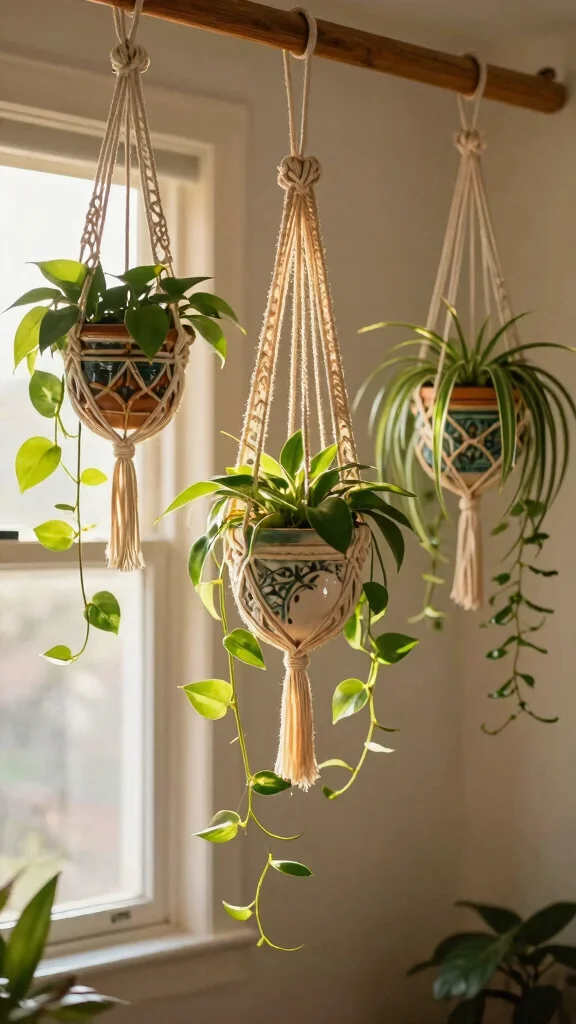
Want to elevate your indoor greenery game? Hanging planters are an excellent way to bring life to your home without taking up any floor space. They turn empty corners or ceiling areas into vibrant displays, drawing the eye upward and creating the illusion of a more spacious environment.
Mix different pot shapes and heights to keep the arrangement visually stimulating. Ensure your chosen plants, like trailing pothos or graceful spider plants, are lightweight and secure to prevent any mishaps.
Choosing the right plants:
– Select trailing varieties for a cascading effect
– Ensure pots are safe and sturdy
– Consider various styles, from macramé to modern
By incorporating hanging planters, you can easily create a lush atmosphere that refreshes your living space and adds personality.
Fun fact: Hanging planters are one of the best indoor planter ideas and can free up floor space, making a small room feel up to 30% bigger. When you group varied pot shapes and heights, your eye travels upward, creating a lush focal point without clutter.
Hanging Planters
Editor’s Choice

Mkono Macrame Plant Hanger Indoor Hanging Planter Basket with Wood Beads…

Hanging Ceramic Planter 5 Inch Cute Bee Plant Pots Indoor Outdoor Yellow…
3. Terrarium Centerpieces
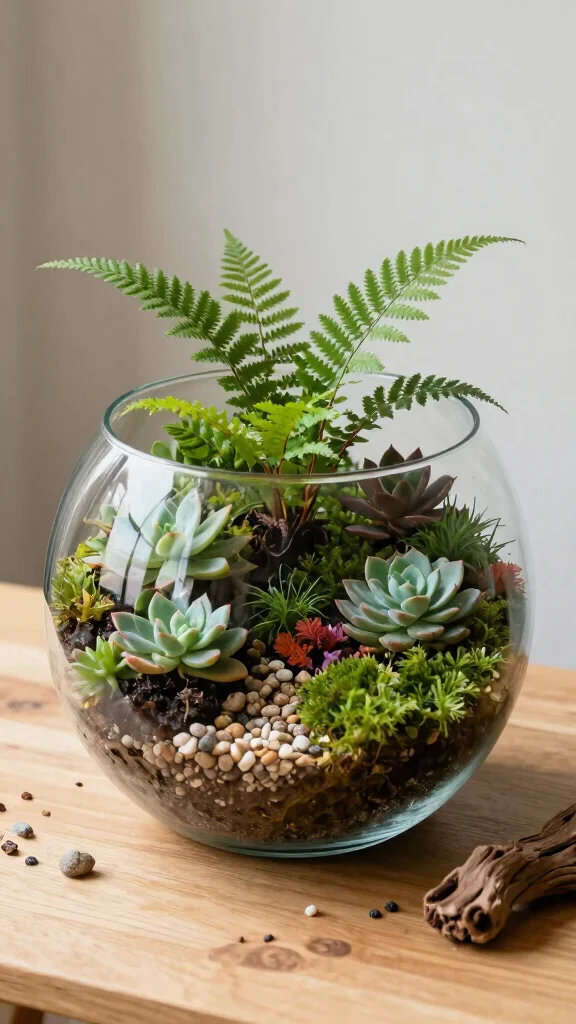
Looking to bring a slice of nature indoors? Terrariums are charming, self-contained ecosystems that allow you to enjoy gardening in a compact form. These glass gardens can range from simple succulent jars to intricate landscapes filled with lush moss and tiny plants, creating a unique centerpiece for any room.
When designing a terrarium, start with a suitable glass container and layer stones, activated charcoal, and potting soil for proper drainage. Choose humidity-loving plants like ferns or air plants to ensure thriving greenery.
Terrarium tips:
– Use glass jars or bowls for visibility
– Layer materials for effective drainage
– Select plants suited for humid conditions
Terrariums not only serve as stunning decor but also require minimal upkeep, making them perfect for busy lifestyles while adding a personal touch to your space.
📹 Related Video: DIY Faux Succulent Terrarium Arrangement & Spring Tablescape/ Spring Florals Series #6
Top Varieties for Different Conditions
Variety/Option Name: Pothos
– Best conditions: Thrives in a range of lighting, from low to bright indirect light.
– Key features: Pothos is known for its trailing vines and heart-shaped leaves. It’s an excellent starter plant for indoor gardening because it requires minimal care and can grow in various environments.
– Considerations: Overwatering can lead to root rot, so ensure your pot has drainage holes.
Variety/Option Name: Snake Plant
– Best conditions: Ideal for low light and requires little watering.
– Key features: Snake plants are tough and known for their upright, sword-like leaves. They also help purify the air, making them perfect for bedrooms or offices.
– Considerations: While it tolerates neglect, avoid placing it in overly humid areas as it prefers drier conditions.
Variety/Option Name: Spider Plant
– Best conditions: Adaptable to various light conditions, though bright light is ideal.
– Key features: Spider plants produce “pups” or baby plants, making them fun to propagate. They also filter indoor air pollutants effectively.
– Considerations: They prefer slightly moist soil, so regular watering is a must, especially in warmer months.
Variety/Option Name: Peace Lily
– Best conditions: Prefers low to bright indirect light and thrives on humidity.
– Key features: With its elegant white blooms, the peace lily adds a touch of beauty to any space. It’s also known for its air-purifying abilities.
– Considerations: While it can tolerate low light, it will bloom less frequently. Keep the soil moist but not soggy.
Variety/Option Name: ZZ Plant
– Best conditions: Performs well in low light and is drought-tolerant.
– Key features: The ZZ plant has shiny, dark green leaves that can brighten any room. It is low-maintenance and can survive with little natural light.
– Considerations: Be cautious with overwatering, as ZZ plants are sensitive to this and prefer to dry out between waterings.
Variety/Option Name: Herbs (Basil, Mint, Rosemary)
– Best conditions: Require bright light and prefer consistent watering.
– Key features: Growing herbs indoors not only freshens your space but also provides culinary benefits. They can thrive on a kitchen windowsill, adding fragrance and flavor to your dishes.
– Considerations: Make sure to provide enough sunlight (at least 6 hours a day) and suitable pots that allow for drainage.
Variety/Option Name: Fiddle Leaf Fig
– Best conditions: Needs bright, indirect light and a warm environment.
– Key features: This stylish tree can grow quite large and makes a bold statement in any room. Its broad leaves can enhance your home décor significantly.
– Considerations: It requires regular watering and prefers a specific humidity level, so be prepared to monitor its needs closely.
Climate/Condition Guide:
For indoor planters, your specific conditions matter.
– Temperate climates: Most houseplants will thrive here. Focus on varieties like pothos and snake plants that enjoy moderate light and humidity.
– Hot/Dry conditions: Opt for drought-resistant plants like succulents or ZZ plants. These varieties can handle the heat and low humidity.
– Humid climates: Look for plants that appreciate moisture, like peace lilies and spider plants. Ensure proper air circulation to avoid mold.
– Low-light situations: Choose hardy plants like the snake plant or ZZ plant, which can thrive even in shadier areas.
Growing Tips:
– Ensure proper drainage to avoid standing water in pots. This helps prevent root rot.
– Rotate your plants occasionally for even growth, as they tend to lean towards light sources.
– Use quality potting mix that suits your plant type, as this can greatly affect growth.
Avoid:
– Overwatering your plants, which is one of the leading causes of plant failure. Always check the soil before watering.
– Choosing plants without considering their light and humidity needs, as mismatched conditions can lead to stress and poor growth.
Terrarium Centerpieces
Editor’s Choice

Legigo 2 QT Horticultural Charcoal- Natural Charcoal for Plants, Biochar…

WHJY 6 inches Glass Cloche for Indoor Plants Small Terrarium Glass Cloch…

Miracle-Gro Indoor Potting Mix for All Plants, Use with Houseplants and …
4. Multi-Pot Stands

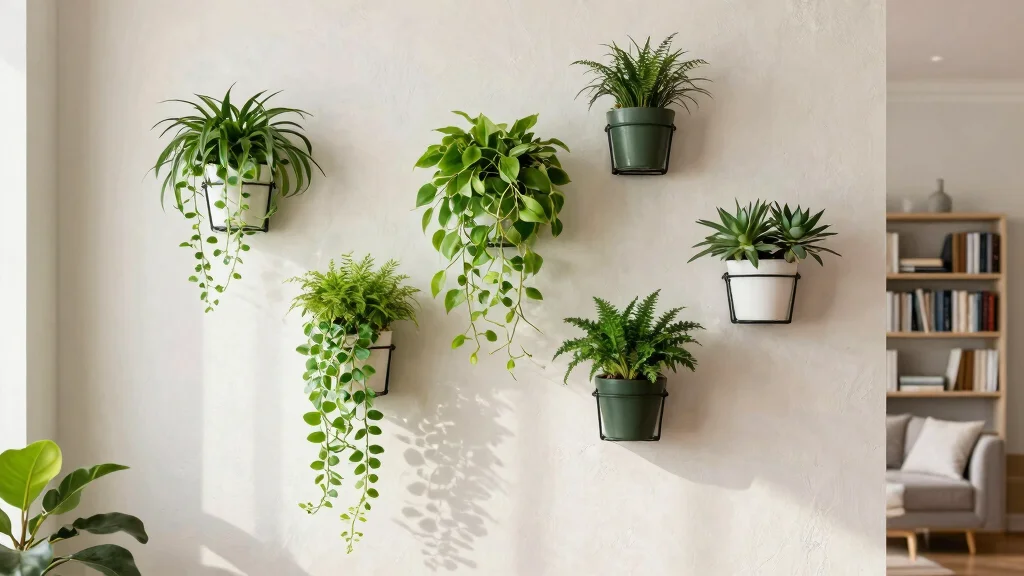
Eager to create an indoor garden that stands out? Multi-pot stands are a fantastic way to group multiple plants, enhancing their visual impact and making care easier. Available in various styles, from sleek modern designs to rustic wooden options, they can seamlessly fit into your home decor.
Group plants with similar care needs and mix heights for a dynamic display. This allows you to create an eye-catching focal point that draws attention in any room.
Grouping tips:
– Incorporate varying heights for visual interest
– Combine plants with similar watering needs
– Use decorative pots that complement each other
A well-arranged multi-pot stand transforms any space into a lively indoor garden, uplifting your mood and decor effortlessly.
Fun fact: Grouping 3–5 plants on a single multi-pot stand can cut weekly care time by about 30%. Mix varying heights for a dynamic focal point—it’s the simplest way to elevate indoor planter ideas into a living sanctuary.
You might also like

Multi-Pot Stands
Editor’s Choice

iDavosic.ly Plant Stand Indoor Outdoor, 5 Tier Corner Metal Flower Displ…

Sorbus Adjustable Metal Plant Stand – Mid Century Style Flower Pot Hol…

GEEBOBO 5 Tiered Tall Plant Stand for Indoor, Wood Plant Shelf Corner Di…
5. Corner Plant Displays
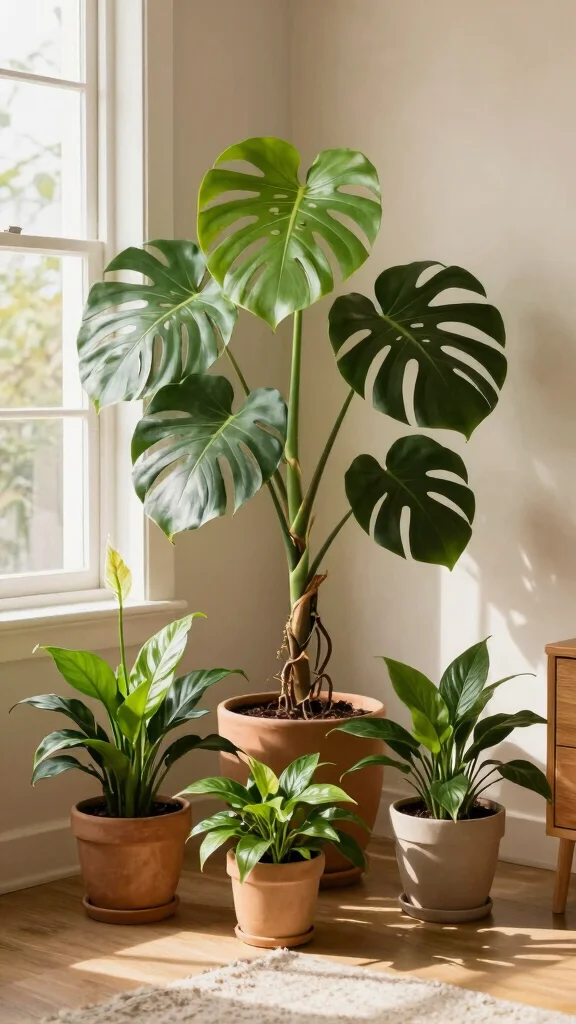
Do you have underutilized corners in your home? Corner plant displays are an excellent way to transform these overlooked spaces into lush green retreats. By strategically placing tall plants alongside smaller ones, you can create a beautiful layered effect that breathes life into your corners.
Start your display with a tall plant, like a dramatic rubber tree, and surround it with smaller varieties such as peace lilies or pothos. This combination not only enhances your room’s ambiance but also adds a sense of privacy and tranquility.
Creating a corner display:
– Anchor with a tall plant for balance
– Layer smaller plants for a lush appearance
– Choose pots that suit your style
With the right arrangement, corner displays can brighten your home and provide a serene atmosphere wherever you need it.
Corner Plant Displays
Editor’s Choice

Costa Farms Live Indoor Plant Golden Pothos, Easy Care Houseplant, 10-In…

Perfect Plants Rubber Plant Ficus Elastica ‘Burgundy’ in 6in. Grower’s P…
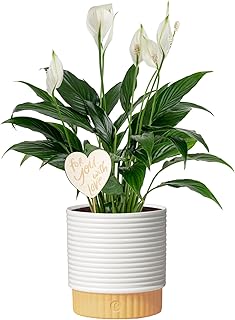
Costa Farms Peace Lily Live Indoor Plant, Spathiphyllum in Decorative Po…
6. Stylish Desk Planters

Do you want to boost your workspace’s vibe? Stylish desk planters can breathe life into your office, enhancing both creativity and productivity. Opt for compact pots that fit neatly on your desk, featuring plants that purify the air and require minimal care to keep your space fresh.
Consider adding plants like snake plants or ZZ plants, which thrive in low light, or colorful succulents that are easy to maintain. Choose decorative pots that reflect your personal style, whether modern or classic.
Best plants for desk planters:
– Snake plants for low-light conditions
– ZZ plants for easy care
– Succulents for vibrant color
A touch of greenery can dramatically change your work environment, making it a more enjoyable and inspiring place to be.
Stylish Desk Planters
Editor’s Choice
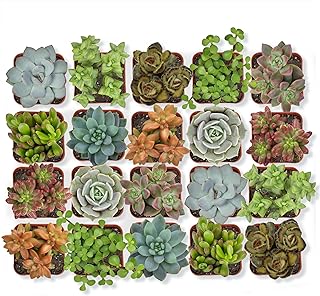
Altman Plants, Live Succulent Plants (20 Pack) Assorted Potted Succulent…
DeeCoo 3 Piece Ceramic Plant pots Indoor Pots Set with Drainage Holes, 5…

Live Snake Plant, Sansevieria trifasciata Laurentii, Fully Rooted Indoor…
7. Bathroom Greenery

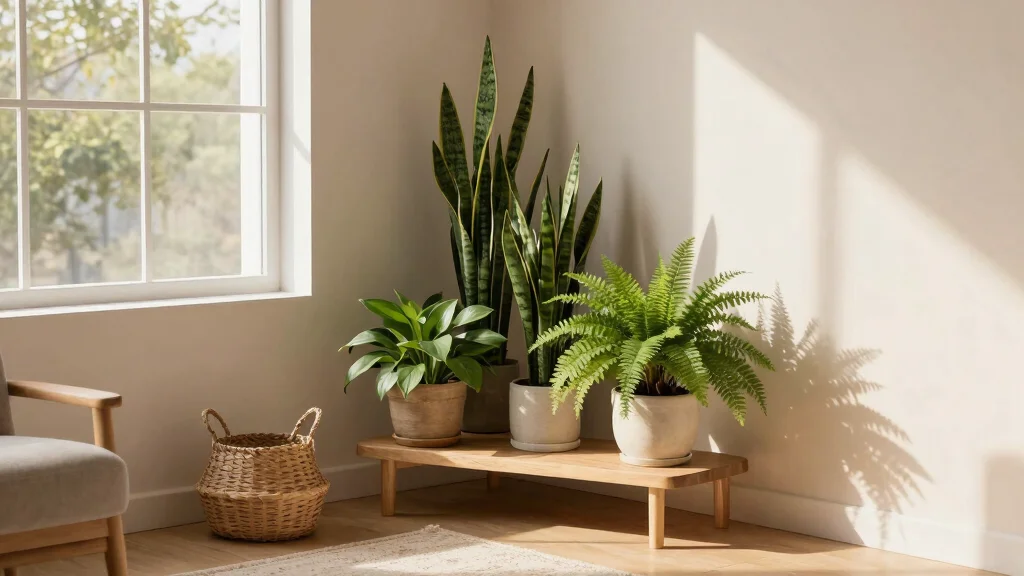
Looking to refresh your bathroom? Incorporating plants into this space is an excellent way to create a relaxing spa-like atmosphere. Many houseplants thrive in the humid conditions of a bathroom, utilizing the moisture to flourish while enhancing the room’s aesthetics.
Select plants that adapt well to low light and humidity, such as ferns and spider plants, and choose pots that can withstand moisture. This will ensure your greenery stays vibrant and healthy.
Great plants for bathrooms:
– Ferns for lush greenery
– Spider plants for easy care
– Philodendrons for adaptability
By adding greenery to your bathroom, you can turn it into an inviting oasis, making your daily routines feel more refreshing and enjoyable.
Did you know bathrooms with steady humidity boost fern growth by up to 60%? Indoor planter ideas show how low-light, moisture-loving plants—like ferns and spider plants—turn this space into a lush, spa-like retreat.
You Might Also Like

Bathroom Greenery
Editor’s Choice

Cute Body Shaped Planter Fun Resin Plant Pots Indoor with Drainage Hole …

Costa Farms Kimberly Queen Fern Live Plant in Plastic Pot, Large Indoor …

American Plant Exchange Spider Plant – Live Indoor Hanging Houseplant,…
8. Seasonal Plant Displays

Want to keep your home feeling fresh throughout the year? Seasonal plant displays allow you to rotate your indoor greenery based on the seasons, creating a vibrant atmosphere that reflects nature’s beauty. Swap out plants to match the season, using colorful blooms in spring or rich autumn hues.
Choose plants that embody the colors and mood of each season, and pair them with decorative pots that enhance the overall theme. This practice keeps your indoor garden lively and engaging all year long.
How to curate seasonal displays:
– Select plants that reflect seasonal colors
– Use pots that match the seasonal theme
– Experiment with new varieties and arrangements
This approach not only adds visual interest but also connects you with the changing seasons, making your home feel alive and inviting.
Seasonal Plant Displays
Editor’s Choice

Melphoe 25Pcs Mini Garden Hand Transplanting Succulent Tools Set, 39.4″ …

American Plant Exchange Live Autumn Fern – 6-Inch Pot – Hardy Shade-…
DeeCoo 3 Piece Ceramic Plant pots Indoor Pots Set with Drainage Holes, 5…
Conclusion
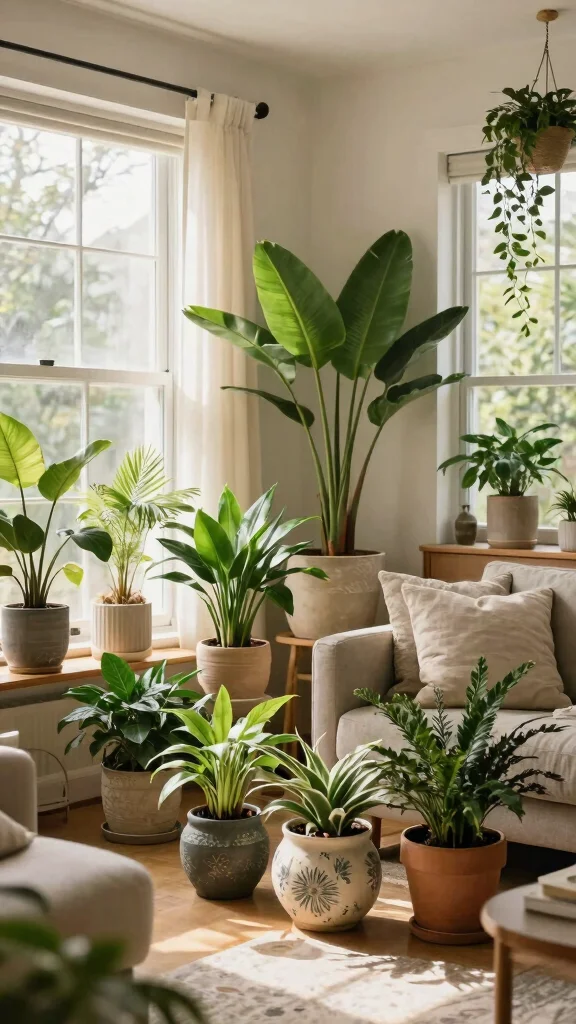
Transforming your home into a living sanctuary is just an indoor planter away! By embracing these eight indoor planter ideas, you can create a vibrant, calming, and beautiful environment that uplifts your spirit. Each idea not only enhances your decor with stunning houseplants but also provides a sense of peace and well-being. So grab your favorite decorative pots, explore different plant varieties, and let your indoor garden flourish!
Remember, bringing nature indoors not only beautifies your space but also improves your mood and promotes a healthier lifestyle. Happy planting!
Note: We aim to provide accurate product links, but some may occasionally expire or become unavailable. If this happens, please search directly on Amazon for the product or a suitable alternative.
This post contains Amazon affiliate links, meaning we may earn a small commission if you purchase through our links, at no extra cost to you.
Frequently Asked Questions
What are the best indoor planter ideas for small spaces to create a living sanctuary?
For small spaces, start with vertical and multi-level solutions like wall-mounted planters, hanging baskets, or a compact ladder shelf with pots. Pair 2–3 houseplants in a single display to maximize impact without crowding.
Pick decorative pots in a cohesive color or texture to guide the eye and create a calm indoor plant design vibe.
Then apply simple plant care tips: water on a schedule that suits the plant type, ensure drainage, and wipe leaves occasionally to keep them thriving.
How can I choose the right houseplants for a dimly lit corner in a small space?
Begin with low-light champions like snake plant, pothos, ZZ plant, and philodendron. Place them near an east- or north-facing window or use a bright grow light to keep color and growth steady.
Use reflective surfaces and light-colored decorative pots to brighten the area, and group plants with similar water needs for easy indoor gardening maintenance.
Remember to dust leaves regularly and rotate plants every few weeks so they grow evenly.
What are practical plant care tips for keeping an indoor garden in a small space low-maintenance?
Mix drought-tolerant and humidity-loving plants so you can group them by care needs and reduce checks. Water thoroughly only when the top inch of soil dries, and ensure pots have drainage to prevent root rot.
Use self-watering planters or trays for busy days, fertilize lightly during the growing season, and wipe dusty leaves to keep photosynthesis efficient.
Keep the setup clean and visually calm by limiting the number of different pot styles and sticking to a cohesive palette.
How can I use decorative pots to boost indoor plant design without clutter in a small space?
Choose a cohesive color family or material for all pots, then mix heights with stands and shelves to add structure without crowding.
Select plants that fit the pot scale and room style, and avoid overly busy patterns that fight with the plants. A few well-placed pieces can anchor a corner or shelf and feel intentional rather than crowded.
Use mirrors or light-colored walls to bounce light and keep the area feeling airy.
What beginner mistakes should I avoid when implementing the 8 indoor planter ideas?
Common missteps include overwatering, choosing pots without drainage, and using too-small containers that stunt growth.
Avoid placing plants in low-light spots or grouping incompatible plants together. Start with a simple plan and gradually add more planters as you observe growth and space.
Finally, check plant safety if you have pets and keep toxic varieties out of reach.
Related Topics
indoor planter ideas
small space gardening
houseplants care
decorative pots
plant styling
easy maintenance
green home decor
beginner friendly
indoor gardening
minimalist design
seasonal plants
DIY indoor plants