
Creating a stunning garden can feel like an overwhelming task, especially if you’re unsure where to start. You might find yourself daydreaming about a flower bed that catches the eye, adds depth, and expresses your personal style. That’s exactly why I’ve put together this guide on layered flower bed ideas. These tips will help you elevate your garden design and transform your outdoor space into a colorful oasis that you can be proud of.
If you’re a gardening enthusiast, whether a beginner or seasoned pro, this post is crafted just for you. You care about making your garden visually appealing and practical at the same time. With these ideas, you’ll discover how to utilize garden layering techniques effectively, creating perennial flower beds that bloom year-round. Each suggestion is tailored to inspire your creativity and help you design a backyard that reflects your unique taste.
In this guide, you’ll find seven impressive layered flower bed ideas that will add stunning depth and variety to your garden. From tiered designs to vertical gardening with climbing flowers, each section provides practical advice and examples. By the end, you’ll have the tools you need to create colorful flower arrangements that will surely impress your family and friends.
Key Takeaways
– Layered Designs: Explore tiered flower beds that create dramatic heights and visual interest in your garden. These designs can help you maximize space and showcase a variety of plants.
– Perennial Borders: Learn how to incorporate perennial flower beds for year-round color. These low-maintenance options ensure your garden is always vibrant, no matter the season.
– Vertical Gardening: Discover the benefits of vertical gardening with climbing flowers. This technique not only saves space but also adds texture and beauty to your flower beds.
– Seasonal Blooms: Uncover strategies for seasonal flower rotation, ensuring your garden remains colorful throughout the year. This approach allows you to enjoy fresh blooms every few months.
– Decorative Elements: Get tips on incorporating decorative elements and edging techniques for clean lines. These finishing touches will elevate your flower bed design, making it more polished and inviting.
1. Tiered Flower Bed for Dramatic Heights
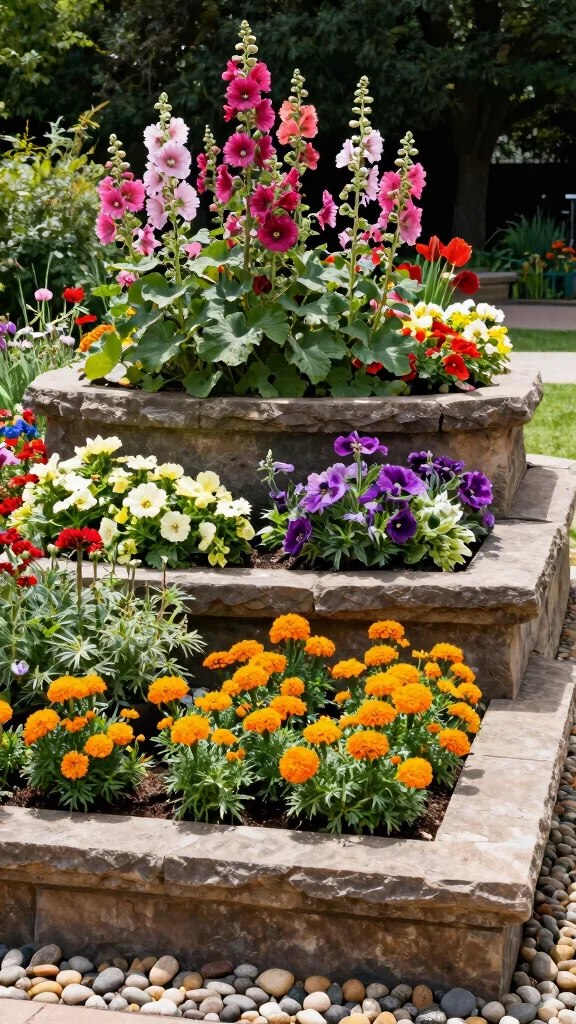
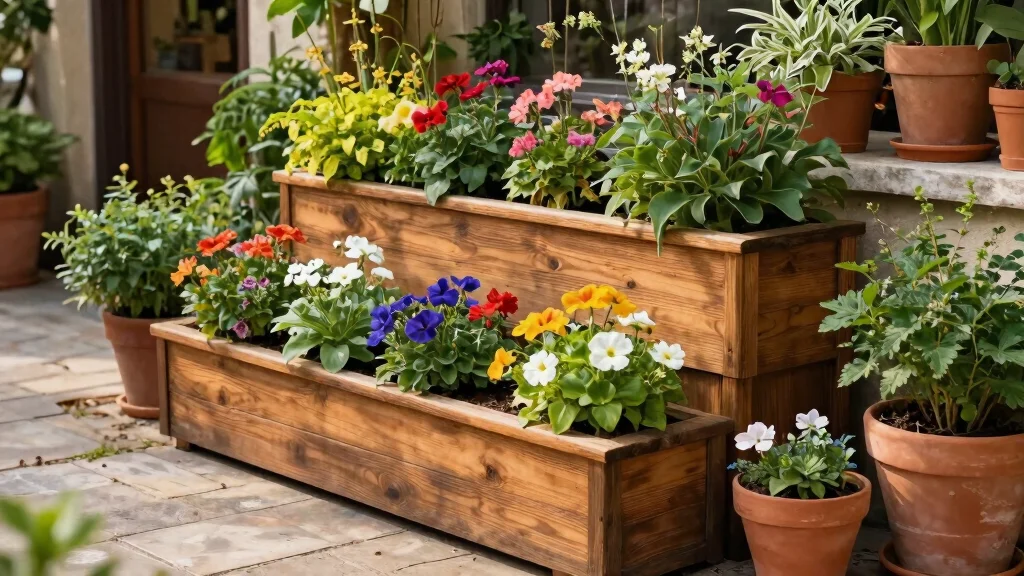
Create a stunning visual impact in your garden with a tiered flower bed! This design introduces varying heights, making your blooms stand out beautifully. Using materials like timber or stone, you can craft raised layers, each filled with unique plants. Start with tall perennials like Hollyhocks or Delphiniums in the back, and gradually transition to shorter blooms like Marigolds or Pansies at the front for an eye-catching display.
To achieve the best results, assess your space and consider the sunlight each layer will receive. Mixing different plant types can enhance the visual appeal, while using natural materials can help with drainage. This method allows your tiered bed to flourish, providing a beautiful backdrop all season long.
Key steps to design your tiered flower bed:
– Start with a solid base for stability.
– Choose a variety of colors and textures for interest.
– Add mulch to retain moisture and suppress weeds.
With the right care and planning, your tiered flower bed will become a stunning focal point, drawing admiration from everyone who visits.
Tiered Flower Bed for Dramatic Heights
Editor’s Choice

Garden Tools Set, 3 Pack Heavy Duty Gardening Tools Set Include Garden S…


Espoma Organic Vegetable & Flower Garden Soil Natural and Organic in Gro…

Yaheetech 8×2ft Wooden Horticulture Raised Garden Bed Divisible Elevate…
2. Perennial Borders for Year-Round Color
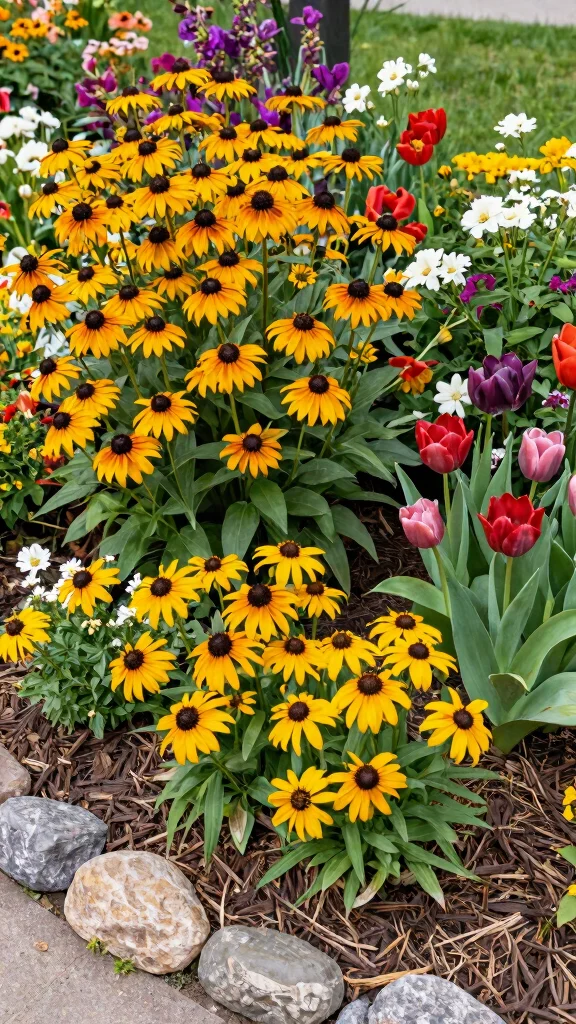
Imagine a garden that bursts with color throughout the year! Perennial borders achieve this by showcasing flowers that bloom in different seasons. By selecting a mix of perennials like Echinacea, Black-eyed Susans, and Peonies, you can enjoy vibrant hues, especially in summer. Pair these with early bloomers like Tulips and Daffodils for a delightful spring display.
To create impactful perennial borders, focus on selecting flowers that complement each other in height and color. Planning for staggered bloom times ensures your garden remains lively and engaging all year. Consider adding mulch to enhance the overall look while reducing weeds.
Steps for designing your perennial border:
– Group flowers by color and height for a cohesive look.
– Incorporate plants with varying bloom times for continuous color.
– Use decorative stones to enhance the aesthetic.
With thoughtful design, your perennial borders will provide endless beauty and joy, making gardening a rewarding experience.
Perennial Borders for Year-Round Color
Editor’s Choice

Burpee Wildflower 25,000 Bulk, 1 Bag | 18 Varieties of Non-GMO Flower Se…
Garden Tools Set, 3 Pack Heavy Duty Gardening Tools Set Include Garden S…
3. Vertical Gardening with Climbing Flowers

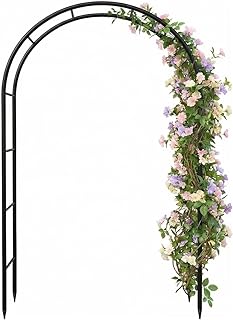
Elevate your gardening game with vertical gardening techniques featuring climbing flowers! By using structures like trellises or arbors, you can add visual height and dimension to your layered flower bed. Plants like Sweet Peas, Morning Glories, and Clematis can intertwine beautifully with shorter plants, drawing the eye upward and maximizing your garden space.
When planning your vertical garden, ensure that climbing plants are positioned to receive plenty of sunlight and water. Pairing compatible plants can prevent overcrowding and promote healthy growth. Organic supports can enhance the natural look and feel of your garden.
Vertical gardening tips:
– Ensure climbing plants have adequate sunlight and water.
– Select plants that thrive together without competing.
– Use natural materials for supports to maintain a cohesive aesthetic.
By incorporating vertical elements, your layered flower bed will not only look stunning but will also make the most of your available space.
📹 Related Video: 12 Vertical Gardening Ideas using Flowering Vines and Climbers
Vertical Gardening with Climbing Flowers
Editor’s Choice

Tcamp Heavy-Duty Polyester Garden Trellis Netting Plant Climbing Net for…

VOXOR Metal Trellis for Climbing Plants Outdoor, 70 * 19.7 Inch Tall Gar…

TOREVSIOR 5-Tier Vertical Raised Garden Bed, Vertical Garden Planter wit…
4. Seasonal Flower Rotation for Continuous Blooms
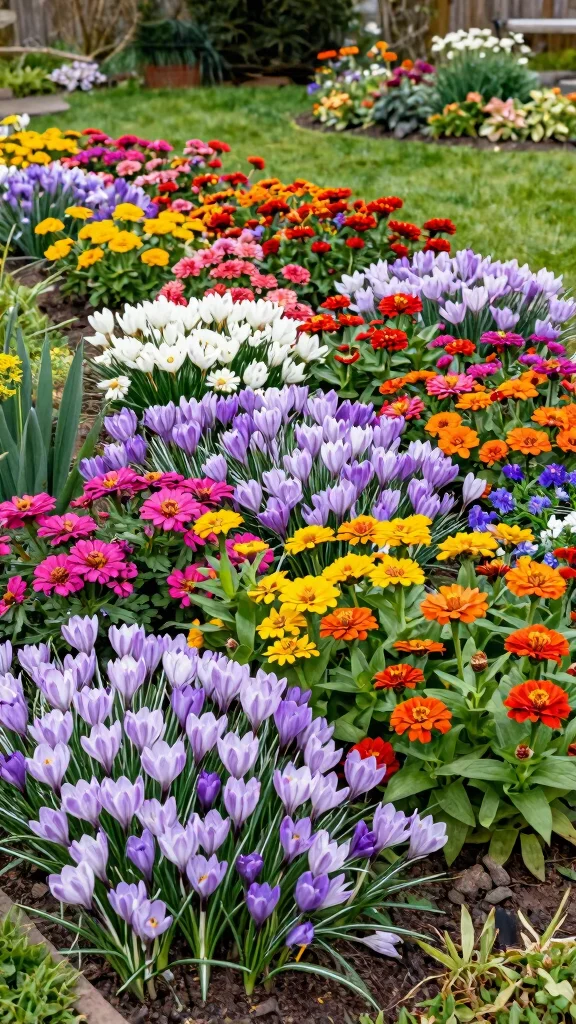
Transform your garden into a vibrant showcase with seasonal flower rotation! By planting flowers that bloom in spring, summer, and fall, you can maintain a colorful landscape all year long. Start with early bloomers such as Crocuses and Hyacinths, followed by summer favorites like Zinnias and Dahlias, and conclude with stunning fall options like Asters and Mums.
Creating a seasonal rotation keeps gardening exciting and rewards you with continuous color. Utilizing inter-planting techniques can maximize space while keeping your garden looking fresh. Don’t forget to pay attention to soil health for optimal plant growth.
Essential tips for seasonal rotation:
– Keep a gardening calendar to track blooms and planting.
– Use inter-planting to enhance visual appeal.
– Monitor soil health to support each plant’s needs.
With careful planning, your flower bed will be a stunning display of color, captivating all who visit.
Seasonal rotation keeps your garden speaking in color all year. With layered flower bed ideas, plant early bloomers like Crocuses and Hyacinths, then summer favorites and fall Mums, so your blooms never take a break.
You might also like
Seasonal Flower Rotation for Continuous Blooms
Editor’s Choice

Edward Tools Bulb Planter – Bend Free Tool for Planting Bulbs, Depth Mar…
Garden Tools Set, 3 Pack Heavy Duty Gardening Tools Set Include Garden S…

Espoma Organic Flower-Tone 3-4-5 Natural & Organic Plant Food; 4 lb. Bag…
5. Colorful Flower Arrangements for Impact
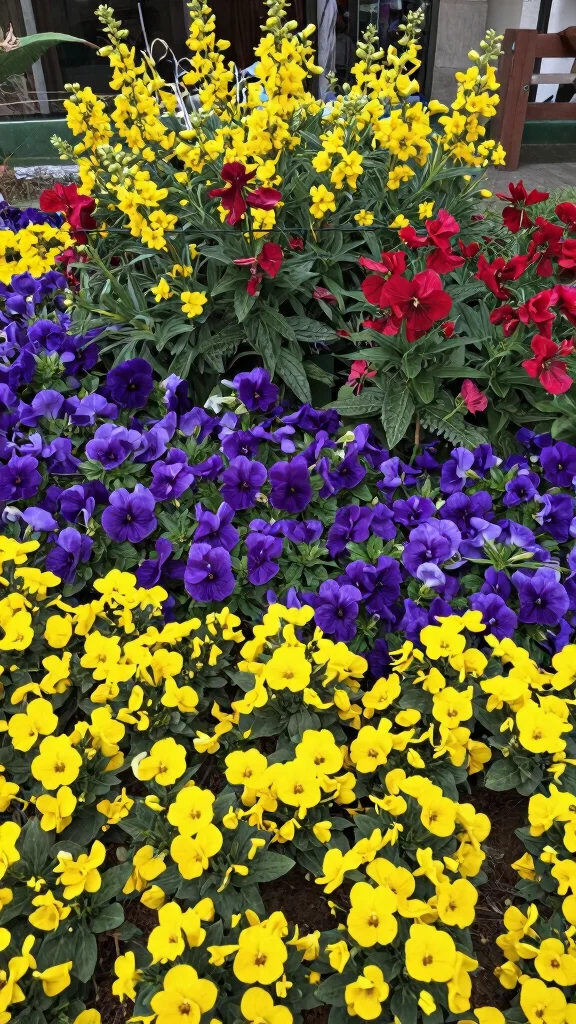
A vibrant color scheme can dramatically elevate the beauty of your layered flower bed! By choosing complementary or contrasting colors, you can create eye-catching focal points that capture attention. Pairing yellows with purples or reds with greens can infuse energy into your space, while soft pastels create a serene backdrop. Mixing annuals and perennials ensures your garden remains colorful throughout the seasons.
To create striking arrangements, use the color wheel as a guide to select harmonious groupings. Balancing bold colors with softer shades prevents visual overload, while clustering plants can maximize your garden’s impact.
Key tips for colorful arrangements:
– Refer to the color wheel for guidance on combinations.
– Balance vivid hues with gentle shades for harmony.
– Experiment with plant clusters for added drama.
A well-planned arrangement will draw admiration and create an invigorating atmosphere, making your garden a true delight.
Colorful Flower Arrangements for Impact
Editor’s Choice

Everyday Flower Arranging for Beginners: Modern Home Floral Design with …

Color Wheel Gardener’s Helps Gardeners Create Exciting Color Combination…
6. Incorporating Decorative Elements

Elevate your flower beds by introducing decorative elements that enhance your floral displays! Adding items such as garden sculptures, colorful stones, or charming birdhouses can create visual interest and reflect your personal style. Including stepping stones provides both practicality and charm, while decorative fences or trellises can add sophistication to your design.
When choosing decorative features, aim for those that harmonize with your garden’s theme. Utilizing natural materials helps maintain a cohesive feel, while considering the scale ensures the elements complement rather than overpower the flowers.
Ideas for decorative elements:
– Select accessories that align with your garden’s overall theme.
– Use natural materials for an organic look.
– Ensure elements are proportionate to avoid overshadowing the plants.
With a touch of creativity, these decorative accents can transform your layered flower bed into a stunning masterpiece.
Did you know that layered flower bed ideas with decorative elements can boost perceived depth by about 25%? Adding stepping stones and trellises not only looks stylish but can cut maintenance time and help you garden smarter.
You Might Also Like

How To Choose The Right Layered Flower Bed Design
When planning your layered flower bed, you want to make sure you choose a design that suits your garden’s unique space and aesthetic. Here are some key points to consider:
1. Assess Your Space
Before you start choosing plants, take a good look at your garden space. Measure the area where you want to create the flower bed. Consider the sunlight, shade, and soil type in this space. A well-measured space allows you to pick plants that will thrive based on their sunlight and water needs.
2. Decide on Height Layers
Layering is all about height. Place taller plants in the back and shorter ones in the front. This creates a stunning visual effect. Aim for at least three different height layers to add depth. As a rule of thumb, taller plants should be at least 3-4 feet tall, while smaller ones can be around 1 foot or less.
3. Choose the Right Plants
Selecting the right plants is crucial for a successful layered flower bed. Mix perennials, annuals, and even some shrubs for texture and color. Perennials like daylilies and coneflowers provide year-round beauty, while annuals like marigolds and petunias add seasonal bursts of color. Aim for a blend that offers blooms from spring to fall for continuous interest.
4. Color Coordination
Color makes a huge difference in your flower bed design. Decide if you want a monochromatic look or a vibrant mix of colors. Complementary colors can make your garden pop! For example, pairing yellow sunflowers with purple asters creates a striking contrast. Use a color wheel to help you choose harmonious combinations.
5. Incorporate Texture and Foliage
Don’t just focus on flowers—consider foliage too. Plants with different leaf shapes and textures can enhance the visual appeal of your flower bed. For instance, pairing broad-leaved plants with fine-textured ones can add richness. Mixing smooth leaves with fuzzy ones creates an eye-catching design.
6. Plan for Maintenance
Think about how much time you want to spend on maintenance. Some flower beds require more care than others. If you prefer low-maintenance options, choose drought-tolerant plants or native species. These tend to thrive with less watering and care, allowing you to enjoy your garden without the extra work.
Pro Tip: Consider creating a garden journal as you plan your layered flower bed. Document your measurements, plant choices, and colors. This can help you remember your ideas and track what works best in your garden over time!
With these steps in mind, you’re well on your way to creating a layered flower bed that adds stunning depth and beauty to your garden!
Incorporating Decorative Elements
Editor’s Choice

Virekm River Rocks, Decorative Ornamental Pebbles,Garden Landscaping Sto…

Gardener’s Supply Company Corten Steel Garden Sculpture | 58″ High Artis…
Galvanized Metal Garden Arbor,7.6ft H x 4.6ft W,Rust-Resistant Heavy-Dut…
7. Edging Techniques for Clean Lines

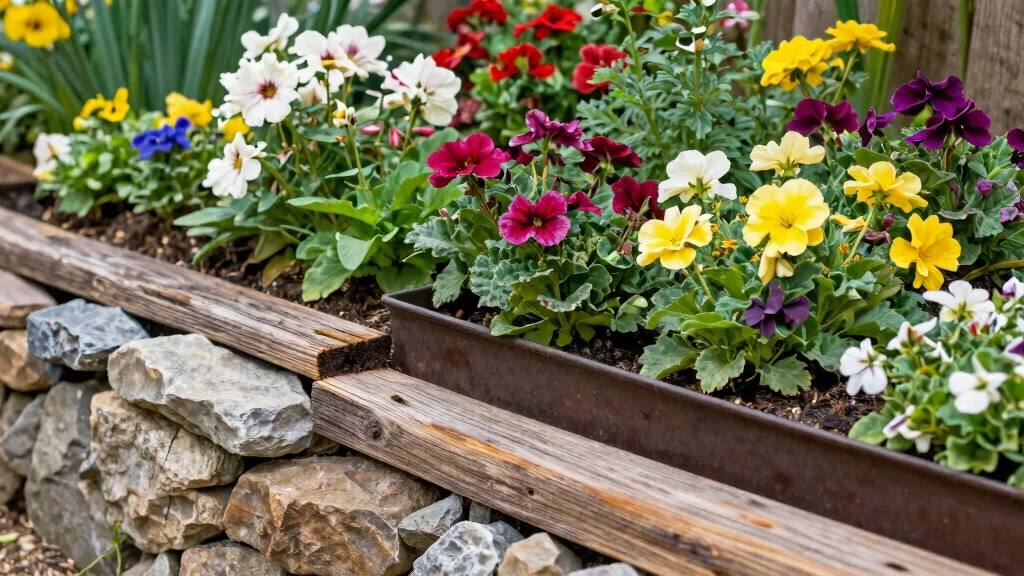
Finishing touches can dramatically enhance your flower bed’s overall appearance! Implementing edging techniques not only defines your garden space but also adds structure and neatness. Choose materials like wood, stone, or even metal for a modern twist. These edges help contain soil and mulch, preventing unwanted grass and weeds from invading your flower beds.
When selecting edging materials, opt for those that complement your garden’s aesthetic. Consider the dimensions of your edging to ensure functionality while maintaining beauty. Regular maintenance keeps your edges tidy and enhances the garden’s appeal over time.
Edging ideas to consider:
– Choose materials that harmonize with your garden’s style.
– Evaluate the height and width for practical use.
– Maintain edges regularly for a polished look.
With clearly defined lines, your layered flower bed will radiate beauty and charm, making it an inviting space for all.
Fun fact: A simple 4-inch edging line can reduce weed invasion by up to 60% and keep mulch where it belongs. For layered flower bed ideas, choosing wood, stone, or metal edging adds clean lines and modern depth.
Edging Techniques for Clean Lines
Editor’s Choice

EasyFlex No-Dig Landscape Edging with Anchoring Spikes, 2.7 in Tall Deco…

Wood Garden Edging, Wooden Fence Border Decorative Small Picket Panels f…

33ft. Galvanized Steel Landscape Edging (10-Pack) – 40″ Metal Edging f…
Conclusion
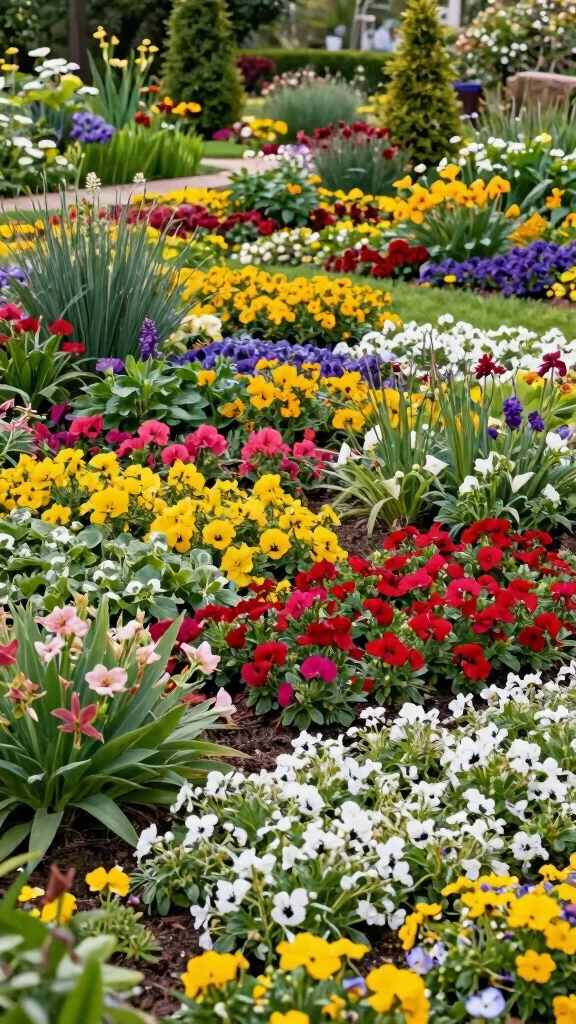
Creating layered flower beds is a beautiful way to enhance your garden’s depth and visual interest.
With these seven ideas, you can explore various techniques and designs that will transform your outdoor space into a colorful retreat. Embrace the beauty of seasonal flowers and decorative elements while enjoying the artistic journey of layering in your garden. Start planning your stunning layered flower bed today!
Note: We aim to provide accurate product links, but some may occasionally expire or become unavailable. If this happens, please search directly on Amazon for the product or a suitable alternative.
This post contains Amazon affiliate links, meaning we may earn a small commission if you purchase through our links, at no extra cost to you.
Frequently Asked Questions
What are layered flower bed ideas and how do they create depth in a garden?
Layered flower bed ideas use height, color, and texture to add depth from back to front. In practice, place tall blooms at the back, mid-height plants in the middle, and low groundcovers in the front. This simple garden layering technique builds dimension and guides the eye through the bed. Start with a quick layout, match sun needs, and choose colors that repeat across layers for harmony in your backyard landscaping ideas. For longevity, consider perennial flower beds with seasonal boosts from annuals to keep a vibrant display year-round.
How can I design a vertical layered flower bed in a small yard?
Vertical layering is perfect for tight spaces. Start with a sturdy vertical structure—trellis, wall-mounted planters, or a tiered pocket system. Back row: tall flowering plants or climbers; middle: mid-height shrubs or border perennials; front: low-growing groundcovers or spilling annuals. Choose compact varieties to keep levels distinct and easy to water. Plan irrigation, use good drainage, and mix layered flower bed ideas with smart color choices to create depth without crowding. This approach is a practical example of garden layering techniques in practice.
What plants work best for perennial layered flower beds and colorful flower arrangements?
For a durable, color-rich layered bed, combine a few perennial flower beds powerhouses with complementary textures. Try tall choices at the back like delphinium or foxglove; mid-height picks such as echinacea, phlox, or salvia; and front-row options like heuchera or bergenia. Add evergreen structure for winter interest and a splash of color via seasonal annuals. For colorful flower arrangements, repeat a couple of hues across layers and mix flowers with foliage texture for depth. Make sure to match sun exposure and soil type for best results in your backyard landscaping ideas.
How do I choose color schemes and plant heights for a layered flower bed design?
Begin with a simple color palette that repeats across layers. Pick a main color and one or two accents, then echo them in stems or foliage. Place the tallest plants at the back, medium-height in the middle, and the shortest in front to build depth. Group plants with similar light and water needs to reduce maintenance, and use cool colors to recess and warm colors to advance for more depth. Use garden layering techniques to craft cohesion across the bed and ensure year-round interest.
What are common mistakes in backyard landscaping ideas for layered flower beds and how can I avoid them?
Common mistakes include overcrowding, choosing plants with the same height, ignoring sun or soil needs, and skipping seasonal interest. To avoid them, start with a hand-drawn plan, measure space, and map sun exposure. Pick a mix of layered flower bed ideas that bloom at different times, ensure good drainage, and mulch to suppress weeds. Build in maintenance steps and consider durable perennial flower beds for lasting impact. This approach ties into your backyard landscaping ideas with practical, achievable steps.
Related Topics
layered flower bed ideas
vertical gardening
colorful flower arrangements
perennial flower beds
backyard landscaping
garden layering techniques
easy flower bed design
garden depth
seasonal blooms
advanced gardening
beginner friendly
landscape planning